Major milestone for sustainable mobility in Landsberg am Lech (May 25)

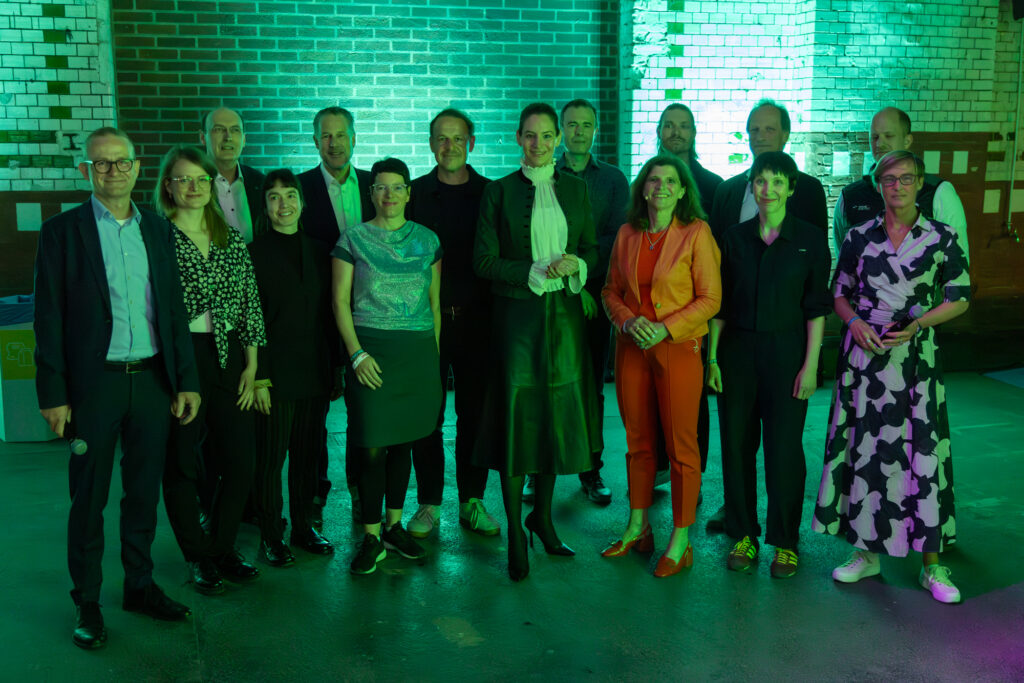
We are very pleased: The city council of Landsberg am Lech unanimously adopted the new traffic development plan (VEP) on May 15, 2025 - a significant step towards sustainable and future-oriented mobility!

MCube Consulting and Haselhorst Associates Consulting were able to provide the city with intensive support during this process. Our project played a central role in this MCube SASIMfrom which the Mobi-Score has emerged as an innovative planning instrument.

What is the Mobi-Score?

The Mobi-Score is a data-based analysis tool that visualizes the sustainability of mobility using an easy-to-understand traffic light system. For this purpose, the Mobi-Score considers internal and external costs, such as vehicle and operating costs, but also climate impacts, air pollution, noise, accidents, and land use. The score is then derived from these costs and serves as an understandable sustainability label for various mobility measures. In Landsberg, it was systematically used for the first time in strategic transport planning – with great success: The score helped to identify strengths and weaknesses early on and to prioritize measures effectively.

Participation as part of prioritization

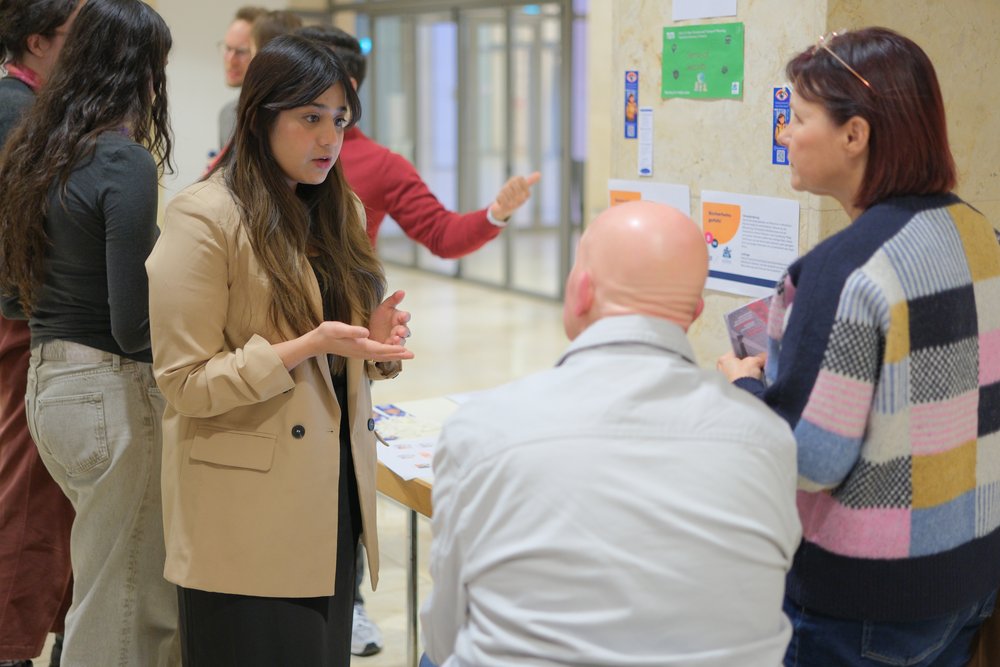
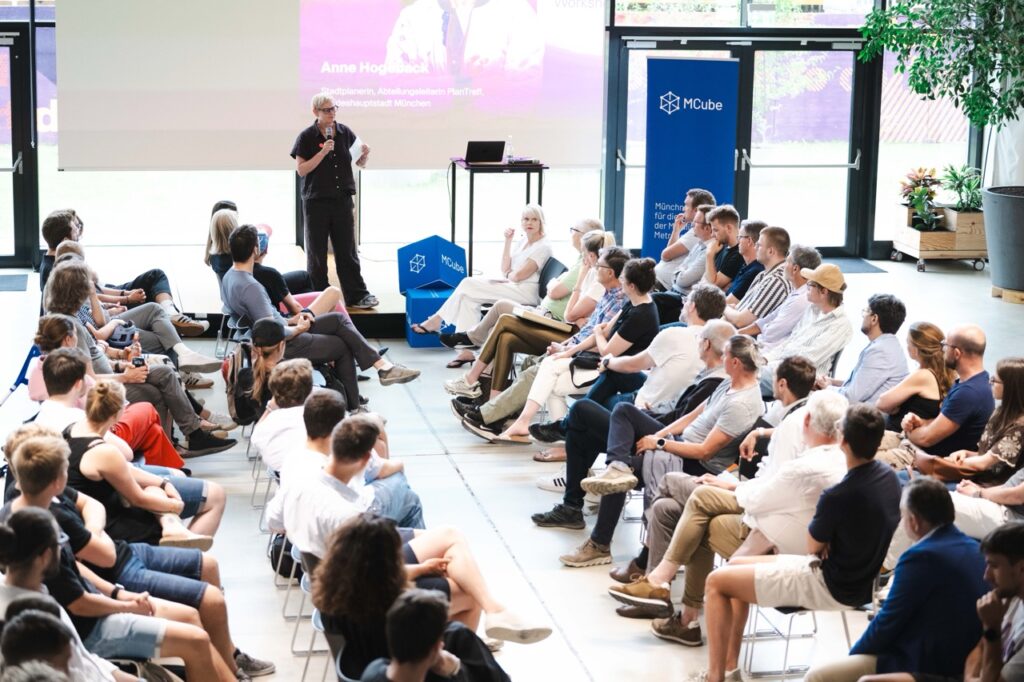
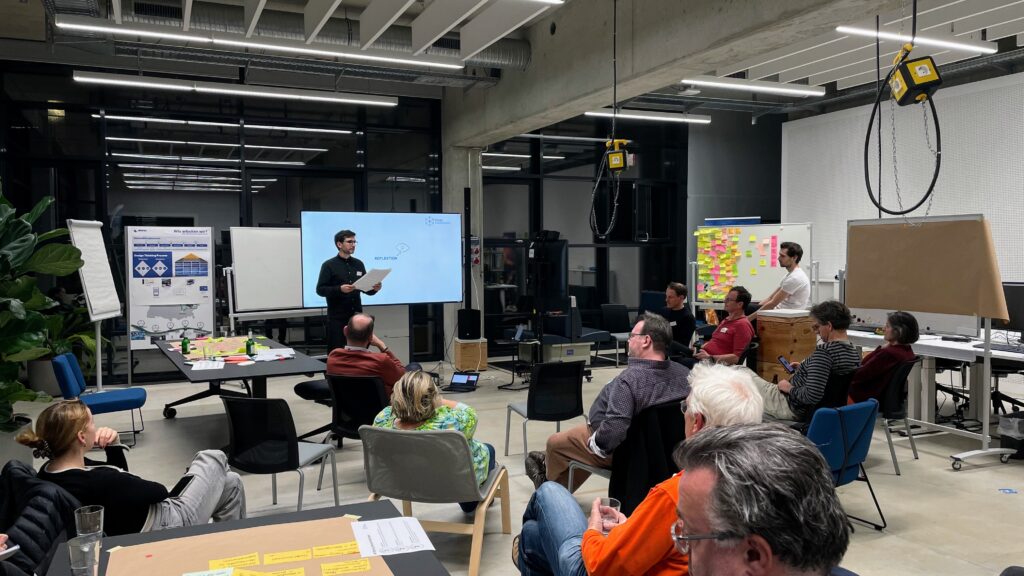
The process for prioritizing traffic measures was deliberately designed to be participatory. In a workshop, city council members first added their assessments and established a preliminary selection. This was then presented to participating citizens and further explained through interactive exchange. In this way, a political and societal perspective was incorporated into the prioritization, alongside the professional assessment.

The result of the process serves as a concrete basis for decision-making for further implementation. The measures were subsequently prioritized according to target achievement and implementation potential, and the necessary implementation steps, involved stakeholders, and budgets were identified. In this way, a structured and implementation-oriented framework for action was created from the multitude of possible measures.

Working together for sustainable mobility

We would like to thank the city administration and the city council of Landsberg for the trust they have placed in us and for their committed, open cooperation. We are particularly pleased that scientifically based tools such as the Mobi-Score are now finding their way into municipal practice - and helping to make mobility more sustainable.

👉 Click here for the city's official press release.

Clusters4Future
Daniel Schröder | Julia Kinigadner | Nienke Buters | Daniel Broschart | Leonie Schiermeyer | Annika Schäfer | Dr. Lucía Wright | Lea Merk

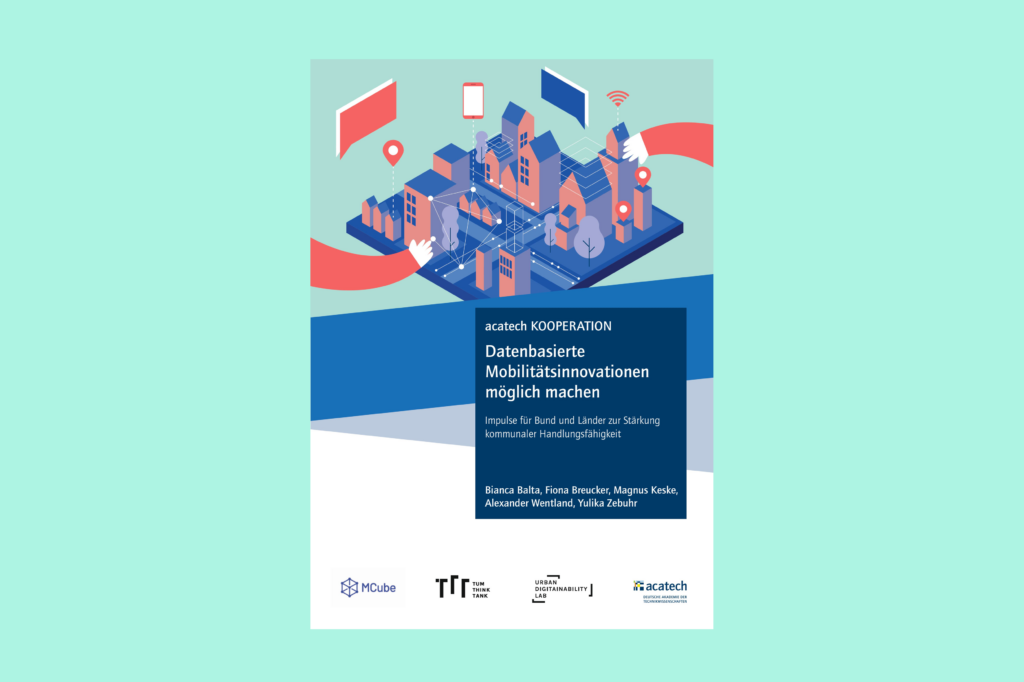
In 2025, representatives from various municipalities regularly met as part of a Community of Practice to exchange ideas on meaningful practices with urban data for sustainable mobility.

How can questions of equitable mobility be jointly researched and shaped? The seminar „Planning for Mobility Justice“ at the TU Munich highlights different perspectives on mobility (in)justice.

Develop the next mobility innovations for metropolitan regions. Together. Possible. To make it happen.

A recent study from the ReMIX environment investigates, through urban experiments in Munich, how specific mobility futures are made effective by three central performative mechanisms.

How can mobility innovations be designed responsibly — and what political frameworks are needed for this?

At re:publica 2026 in Berlin, MCube was represented at Europe's largest digital and society conference – with all 21 cluster and campus initiatives of the BMFTR.

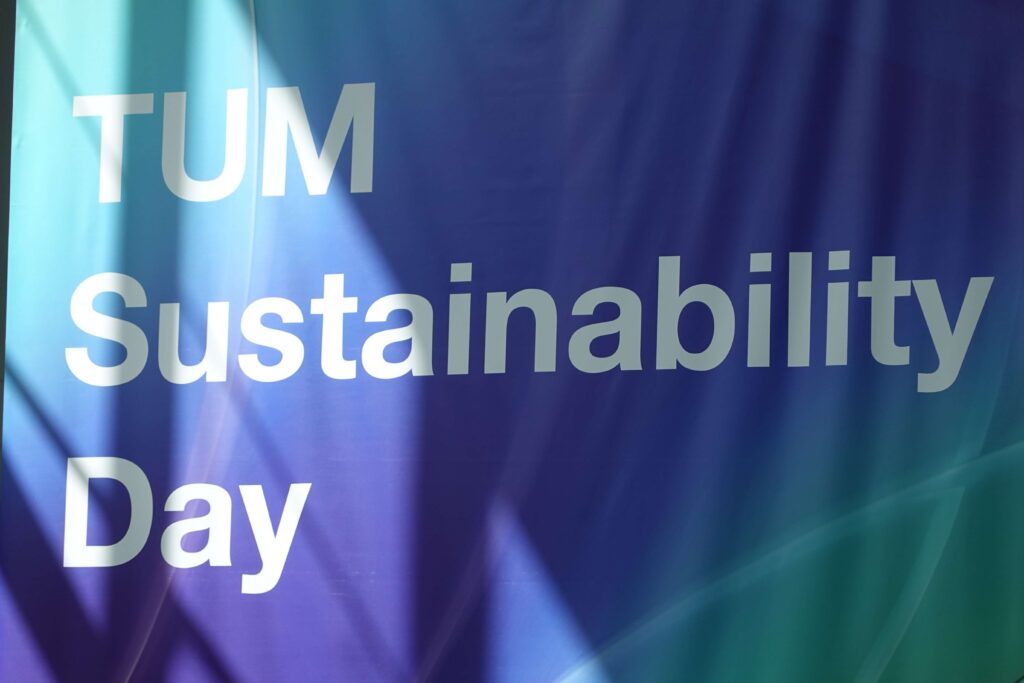
5,000 guests, many insights: TUM's Sustainability Day made sustainable innovation tangible.

MCube Consulting is introducing SmartEvent, a digital tool that makes event registration in Munich easier and more efficient through the use of geodata.

The new study shows: Every euro invested in public transport in the MVV generates almost four times the economic value added.

Electric, autonomous, networked: The logistics industry is facing a major transformation. The MCube Speaker Series at the Deutsches Museum discussed how this future can become reality.

Easy language

What is MOSAIQ?
Imagine something: There is more space for people. The streets have more trees and plants. Everyone can get around better. That's how your Schwabing-West district could be in the future. How would you like your district to be? We want to talk to you about it!

The project is called MOSAIQ. MOSAIQ is a research∙project. MOSAIQ means: Mobility and urban climate in the future city∙part. The Technical University of Munich is leading the project.

What is MOSAIQ about?
MOSAIQ wants to make the streets in the city∙part more beautiful. People should feel comfortable there. There should be more space. For meetings and plants, for example. You can help decide what is tried out in the Stadt∙teil. The ideas come from you. Some ideas will be tried out on the streets for a certain period of time.
The aim of MOSAIQ is to make urban districts good places to live.
At the same time, the climate in the city should improve. And people should be able to move around the city easily. 

What is happening in the district?

  • In the year 2025:
    The people in the district can participate. They can express their ideas. There are discussions, surveys and meetings. Researchers are also starting their work.
  • In the year 2026:
    Some ideas are tried out.
    They are moved around the streets for a certain period of time.
  • In the year 2027:
    The results are evaluated.
    Consideration is given to how things can continue∙.