TUM Sustainability Day 2026: Sustainability as a Driver of Innovation (Apr. 26)

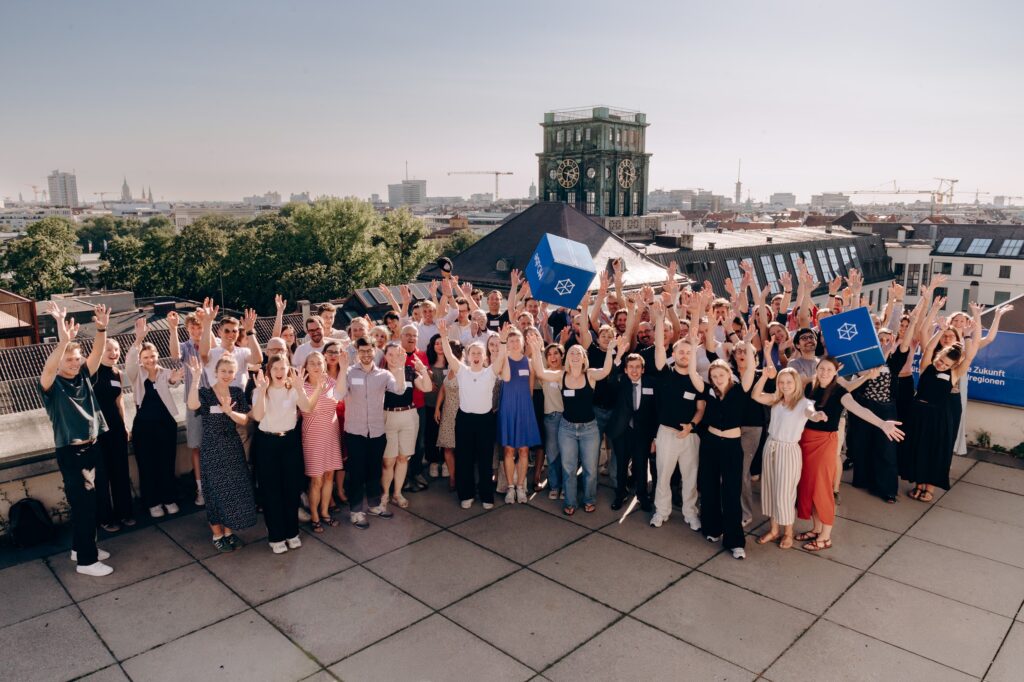
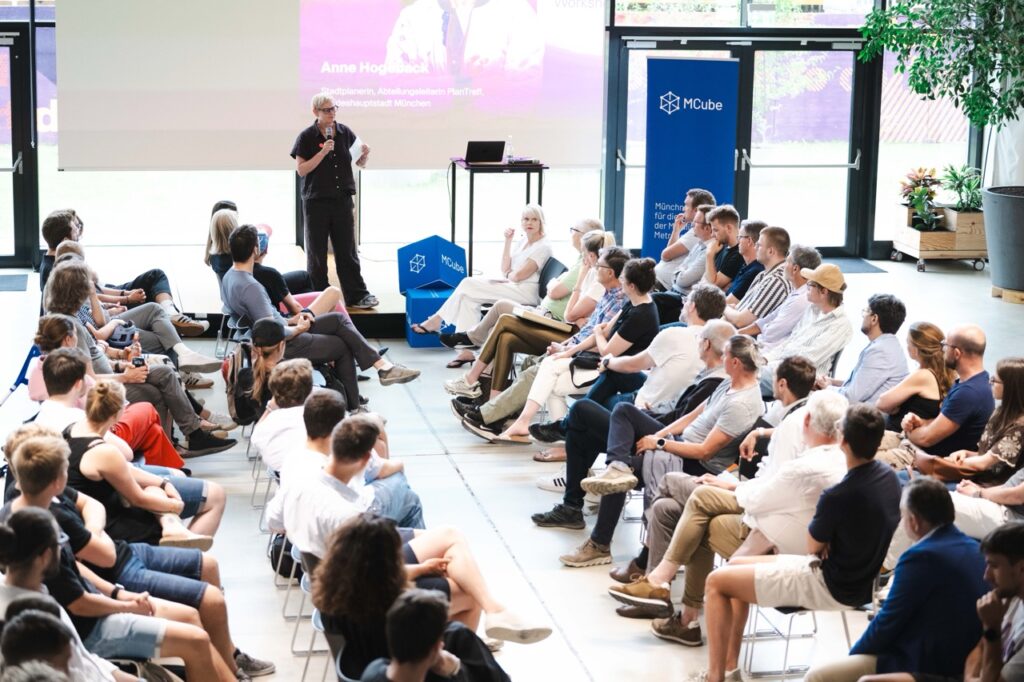
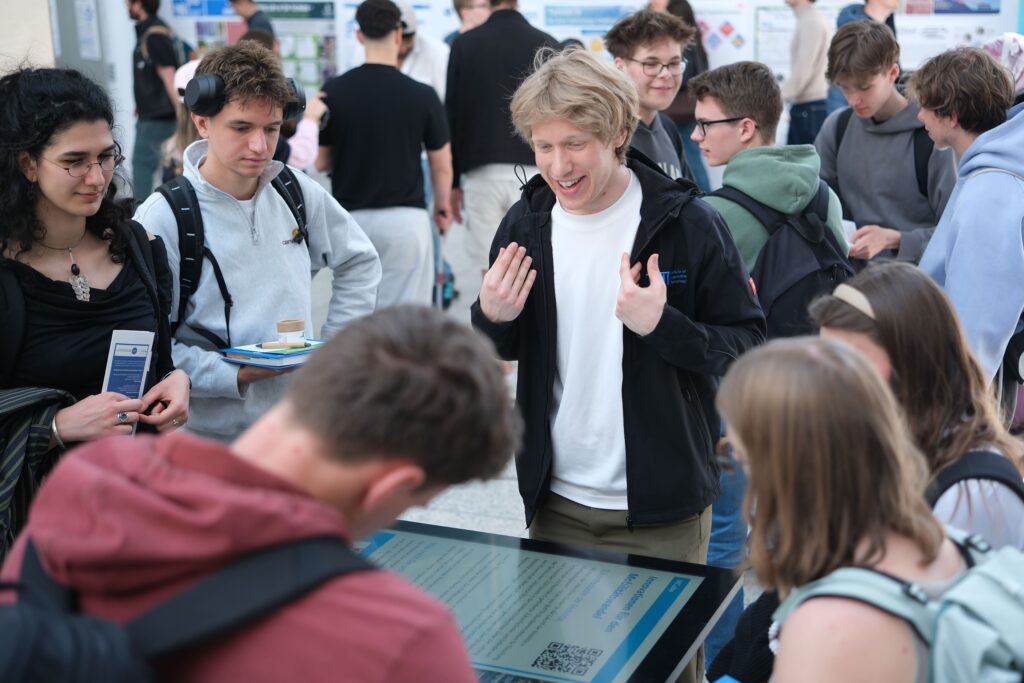
The Technical University of Munich's Sustainability Day impressively showed the central role sustainability plays in future economic, ecological, and social progress. Around 5,000 guests attended the event on April 29, 2026, and learned about current research and innovation projects.

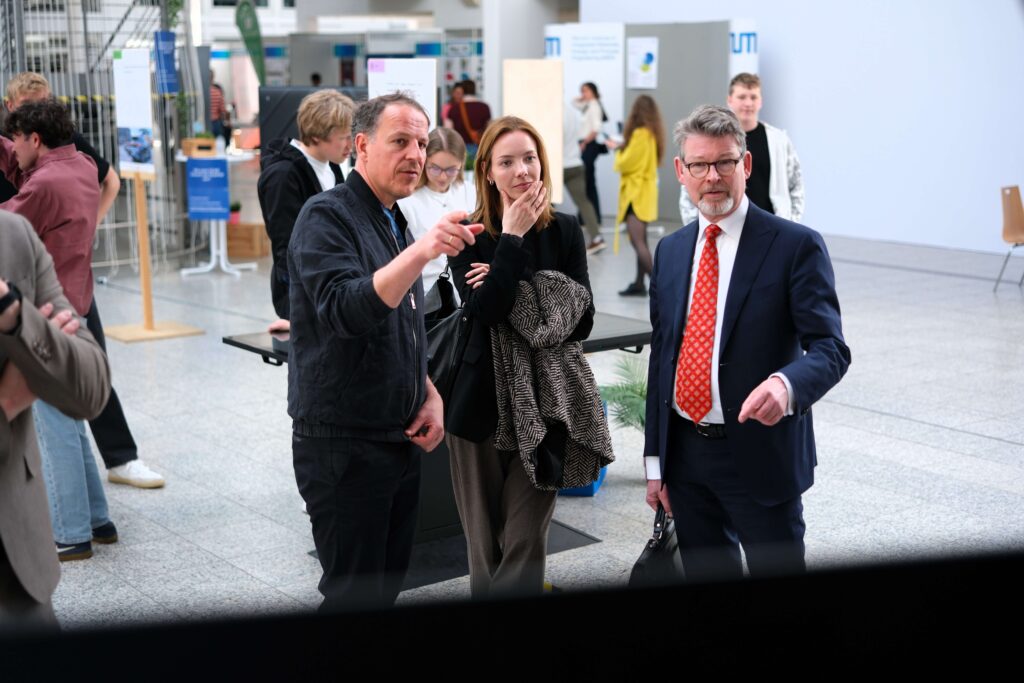
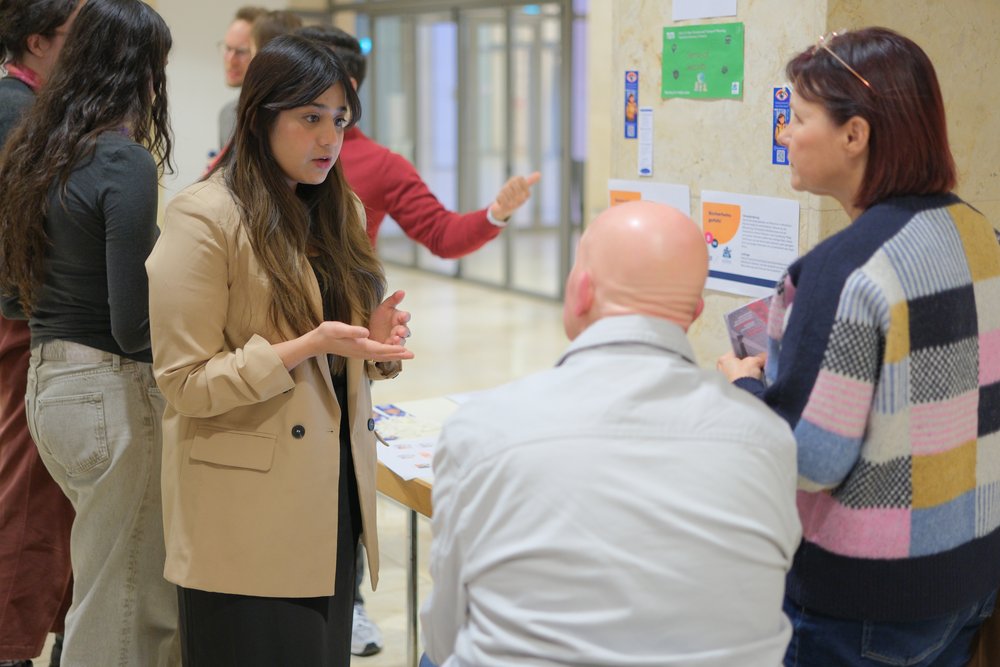
At the MCube Mobility Stand, the entire spectrum of sustainable mobility was presented, creating space for discussion:

  • International delegations gathered information on autonomous driving projects in public transport.
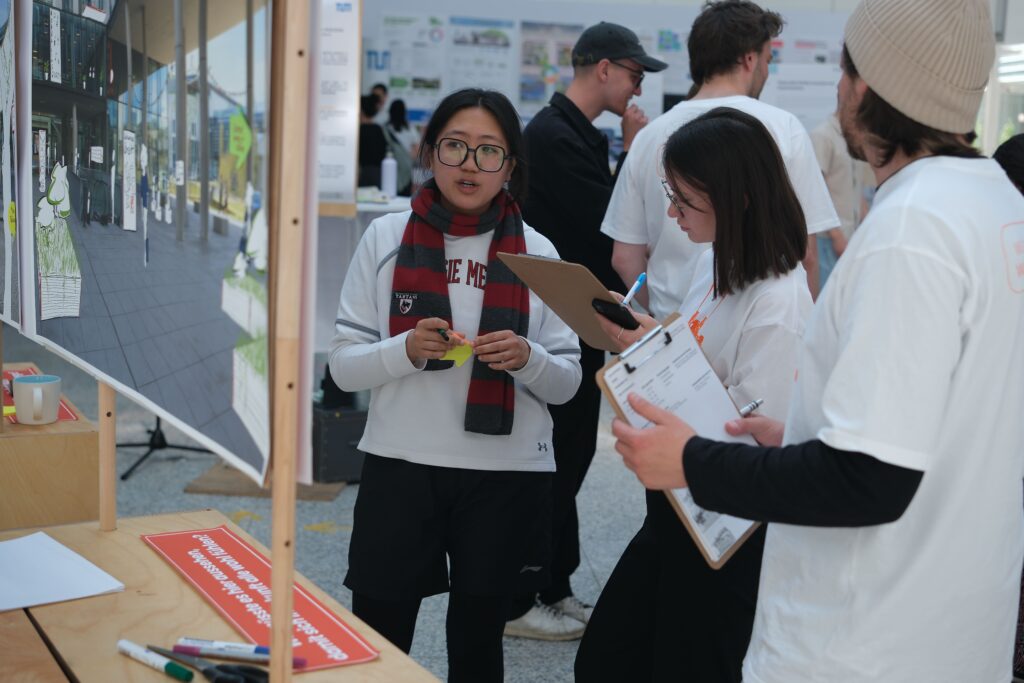
  • Students discussed approaches for greater mobility justice.
  • Social scientists exchanged ideas about real-time traffic simulations for more sustainable urban planning.

Key impressions of the day

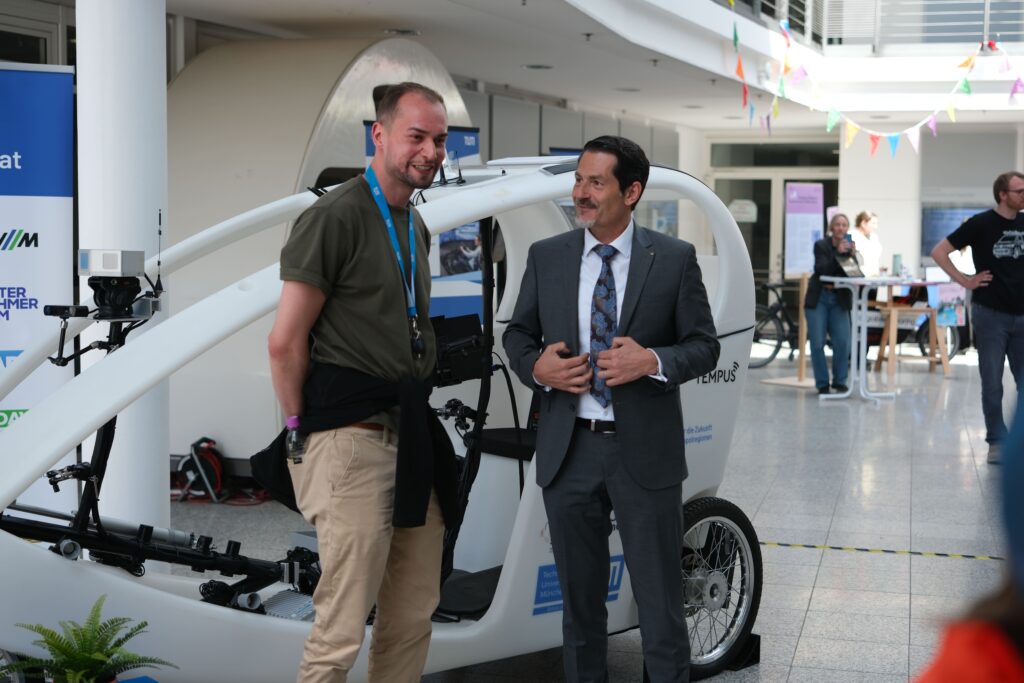
Visit of TUM President Prof. Thomas F. Hofmann
He emphasized the importance of the interplay between research, entrepreneurship, and society for sustainable innovations. Sustainability, he said, is an integral part of research and value creation.

Welcome address from Mayor Dominik Krause
The TUM alumnus encouraged students and researchers to use the city of Munich as a „real-world laboratory“ to test, further develop, and implement ideas.

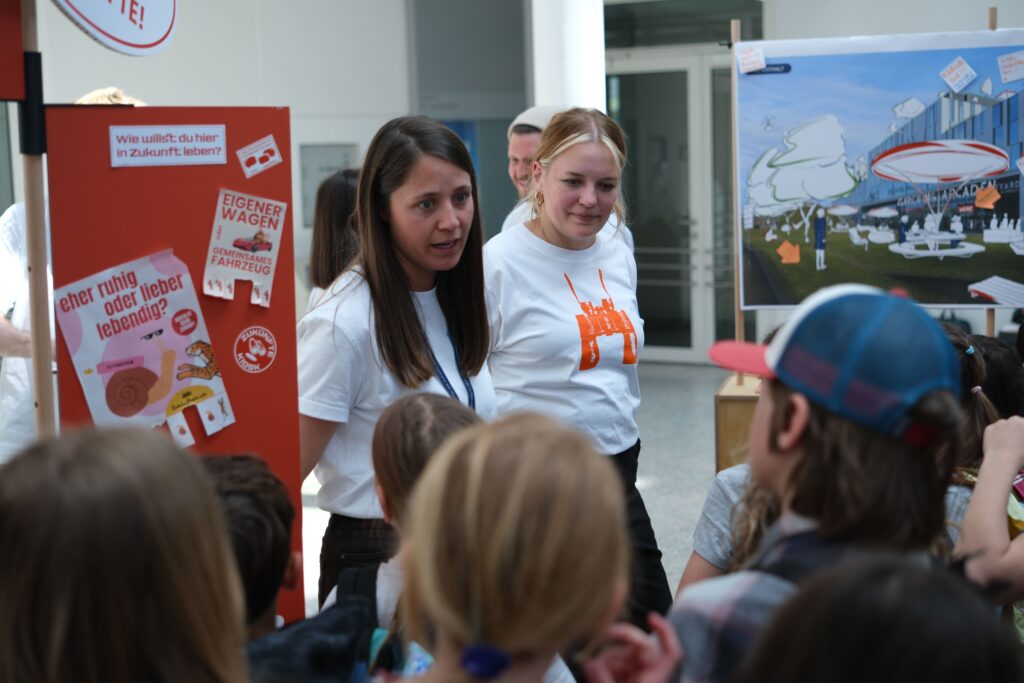
Visit from an elementary school class
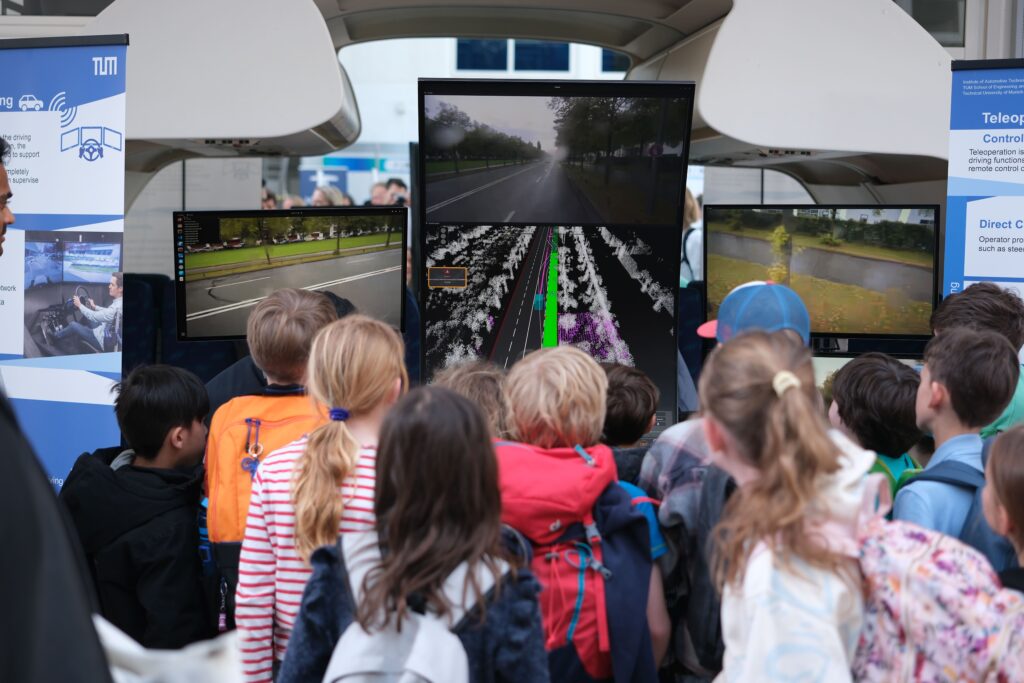
A special moment was the visit of 30 elementary school children who explored projects related to accessibility and autonomous mobility with great curiosity. The direct exchange showed how early interest in technology and sustainable future design can be sparked.

Special thanks go to the team around TUM Vice President Prof. Werner Lang and the Sustainability Office under the direction of Dr. Georg Röder for organizing this successful day.

copyright© Matthias Grundei

Develop the next mobility innovations for metropolitan regions. Together. Possible. To make it happen.

MCube Consulting is introducing SmartEvent, a digital tool that makes event registration in Munich easier and more efficient through the use of geodata.

The new study shows: Every euro invested in public transport in the MVV generates almost four times the economic value added.

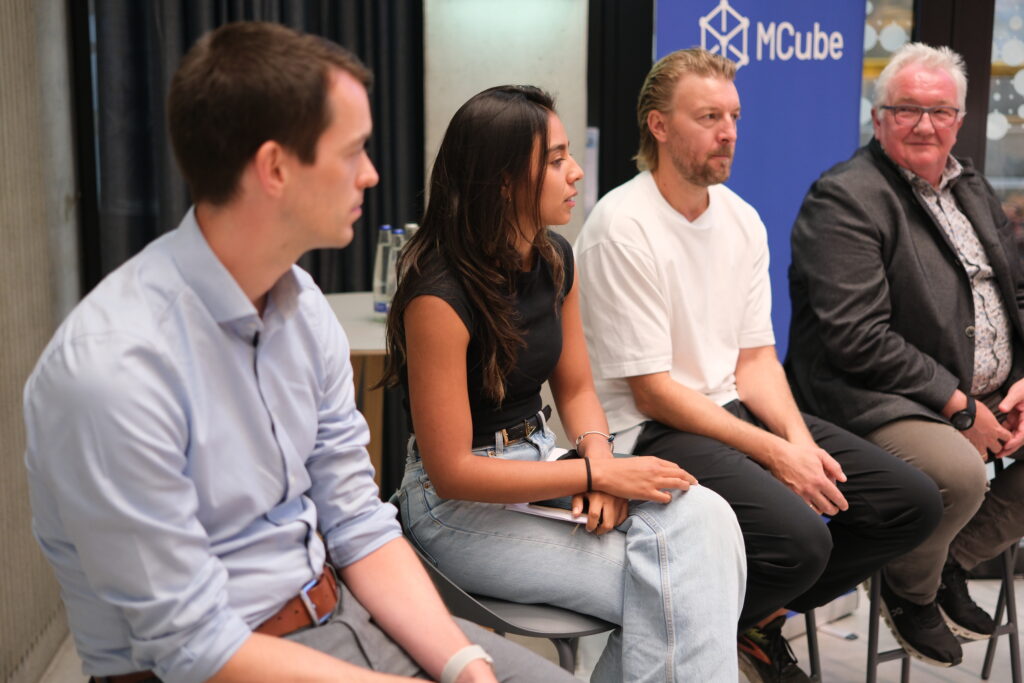
Electric, autonomous, networked: The logistics industry is facing a major transformation. The MCube Speaker Series at the Deutsches Museum discussed how this future can become reality.

The lessons learned from the first MCube funding phase show which factors really drive projects forward - and where typical barriers arise.

Creating transparency, proving impact, sharpening strategies - the new indicator guide supports precisely this.

For the first time in this format, students made their way to three European cities. They went to Stockholm, Tallinn/Helsinki and Barcelona.

This time, mobility in the cities of Ljubljana, Genoa and Utrecht was examined.

How can mobility data and simulations make cities more liveable - and change visible and tangible?

What do Brussels, Lisbon, Milan and Paris have in common?

Easy language

What is MOSAIQ?
Imagine something: There is more space for people. The streets have more trees and plants. Everyone can get around better. That's how your Schwabing-West district could be in the future. How would you like your district to be? We want to talk to you about it!

The project is called MOSAIQ. MOSAIQ is a research∙project. MOSAIQ means: Mobility and urban climate in the future city∙part. The Technical University of Munich is leading the project.

What is MOSAIQ about?
MOSAIQ wants to make the streets in the city∙part more beautiful. People should feel comfortable there. There should be more space. For meetings and plants, for example. You can help decide what is tried out in the Stadt∙teil. The ideas come from you. Some ideas will be tried out on the streets for a certain period of time.
The aim of MOSAIQ is to make urban districts good places to live.
At the same time, the climate in the city should improve. And people should be able to move around the city easily. 

What is happening in the district?

  • In the year 2025:
    The people in the district can participate. They can express their ideas. There are discussions, surveys and meetings. Researchers are also starting their work.
  • In the year 2026:
    Some ideas are tried out.
    They are moved around the streets for a certain period of time.
  • In the year 2027:
    The results are evaluated.
    Consideration is given to how things can continue∙.