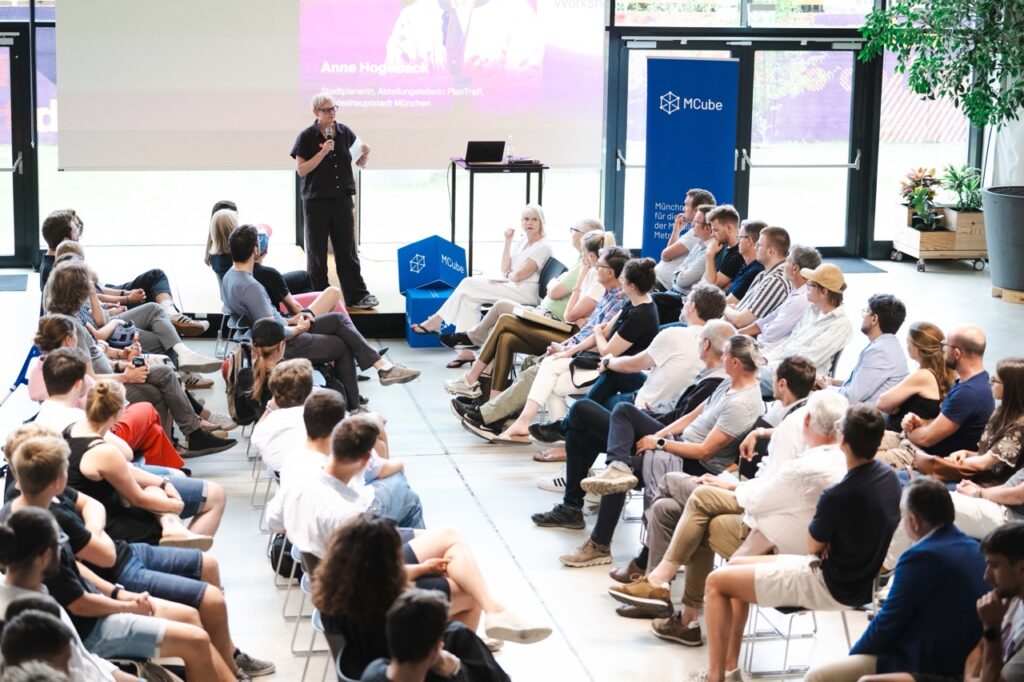
While debates today are often characterized by hardened positions, we tried a different format: the parliamentary debate. This is a format in which it is explicitly encouraged to question one's own position and switch sides when new arguments are convincing.
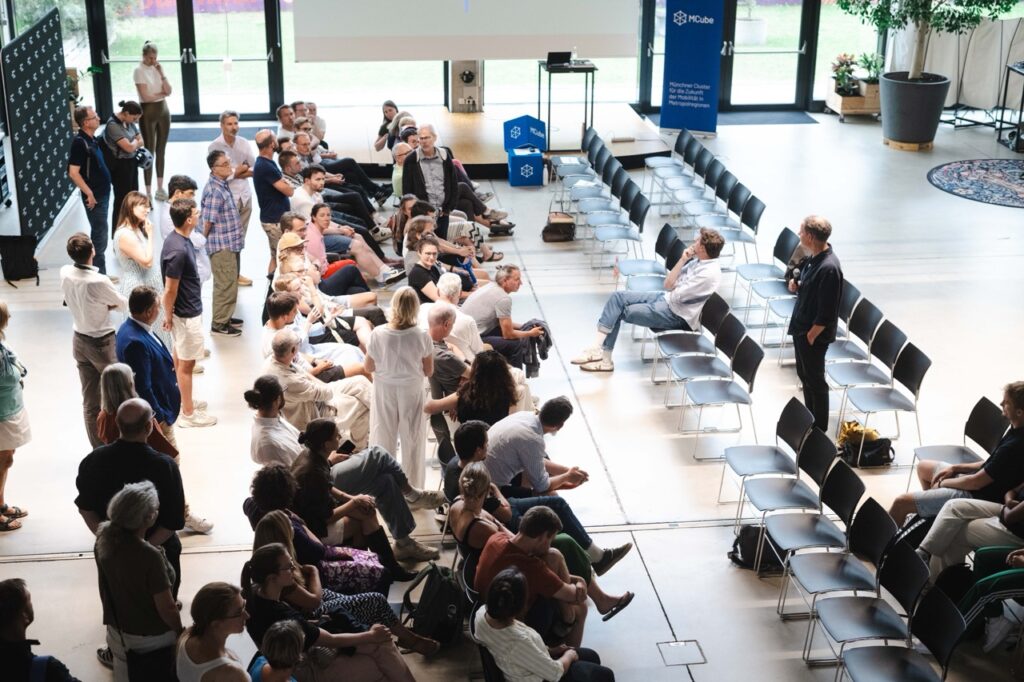
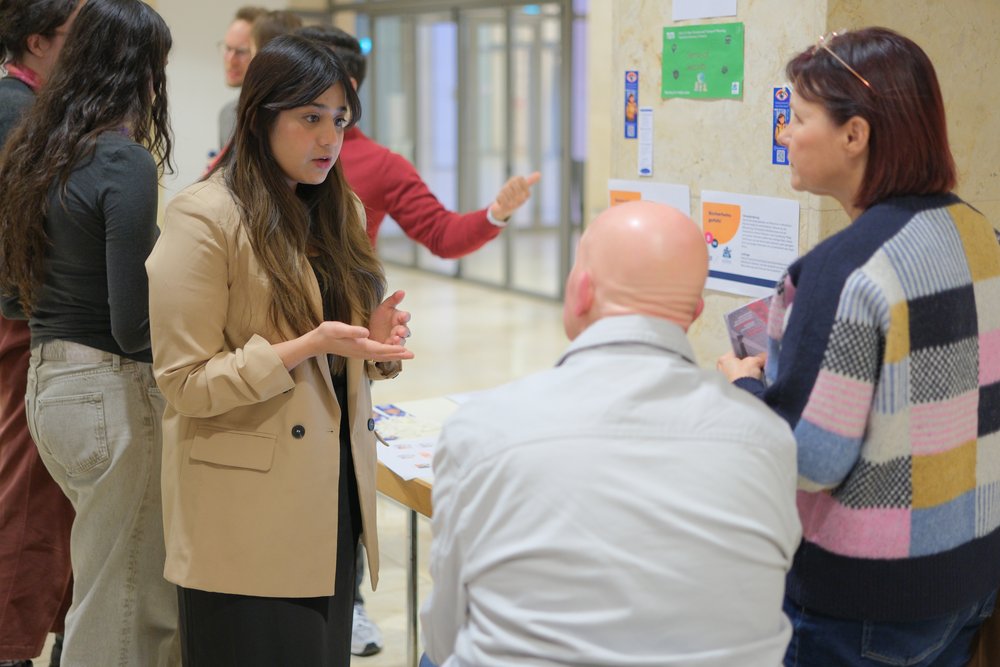
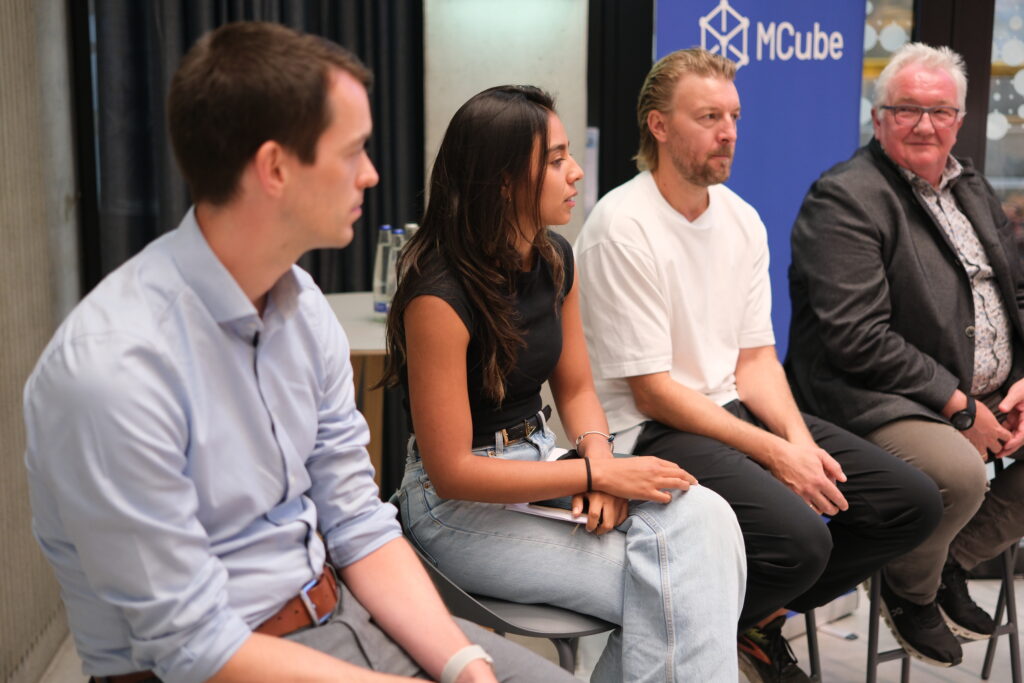
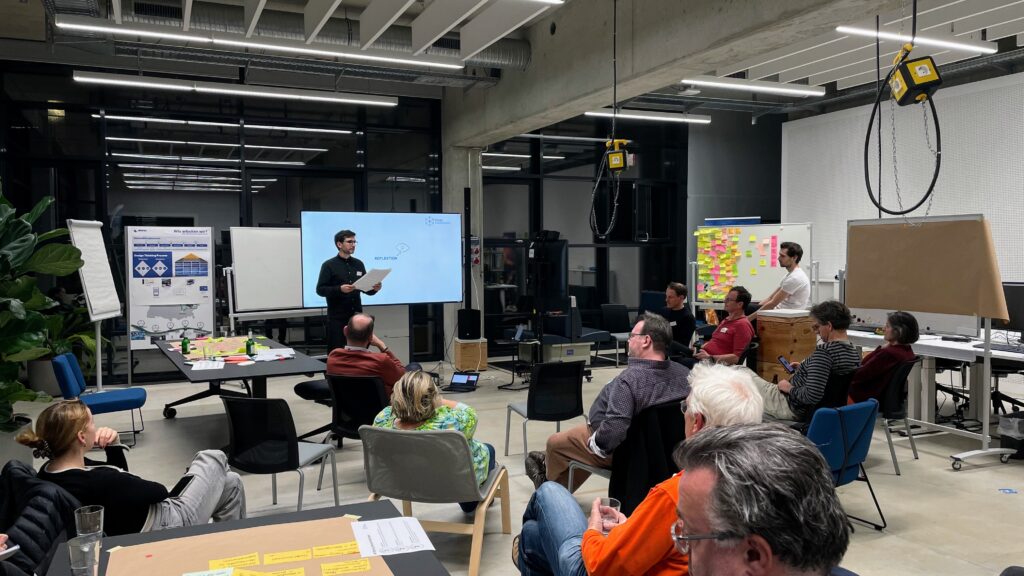
At the MCube Speaker Series in the Munich Urban Colab, positions were not just discussed, but made visible in the room. Participants took sides on various questions – with the option to switch at any time. And that's exactly what happened multiple times: arguments were exchanged, perspectives shifted, and new viewpoints were discovered.
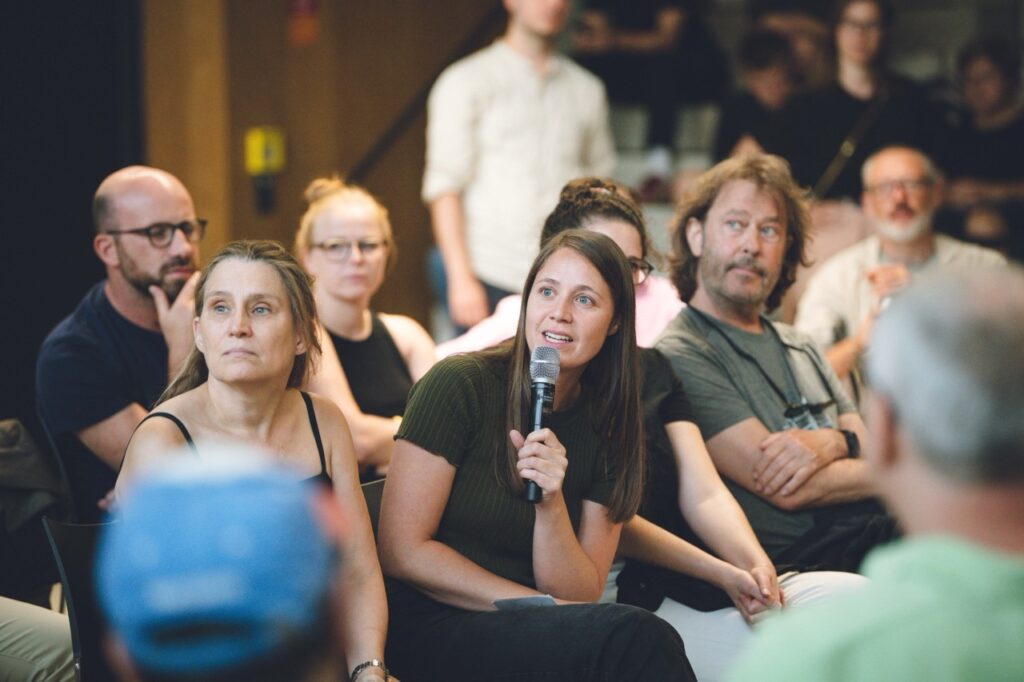
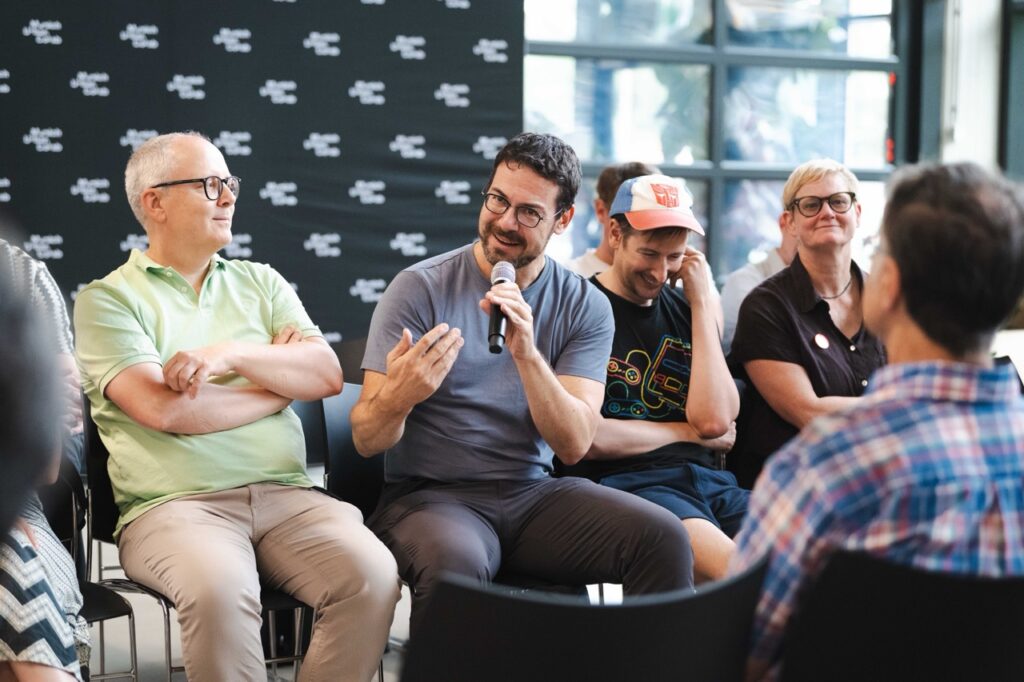
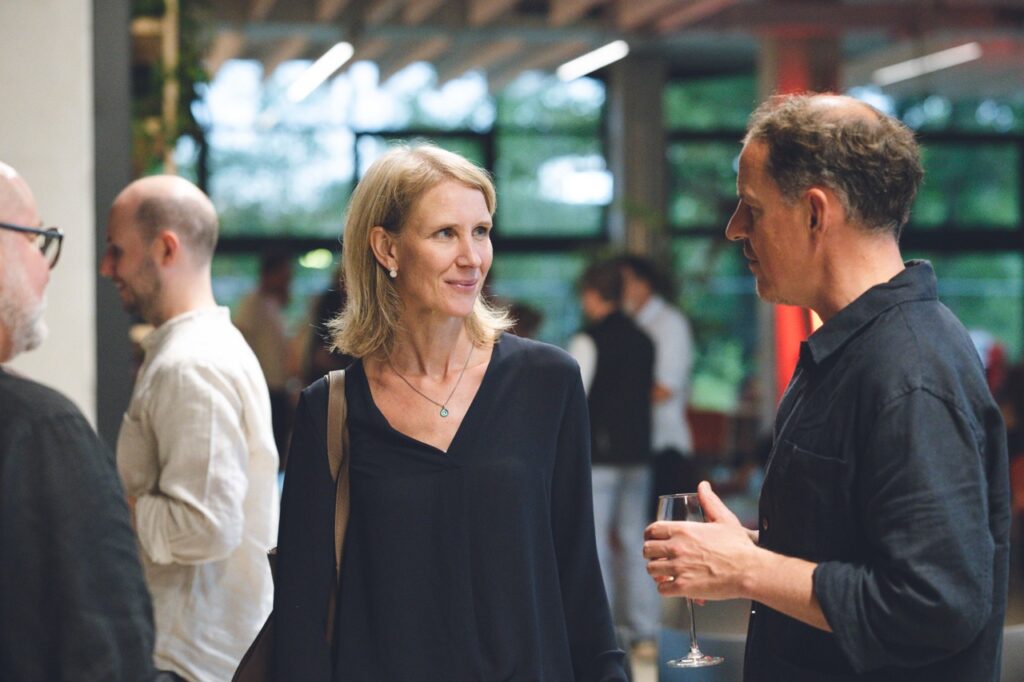
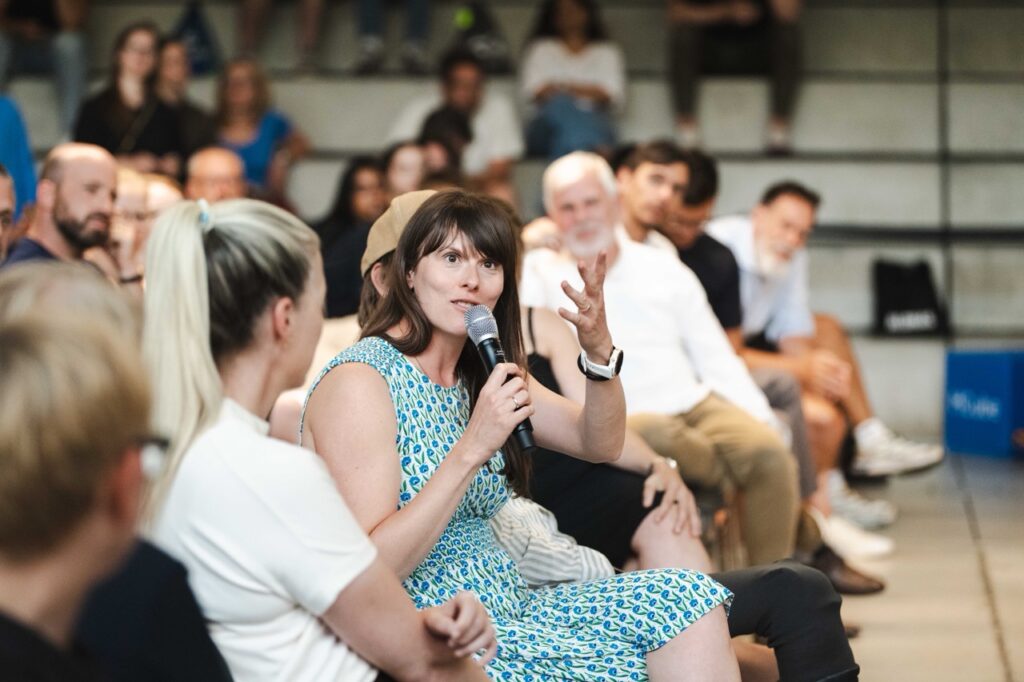
The audience participated with numerous contributions, shared their own experiences, and engaged in intensive discussions with each other. The experts also changed their positions several times during the debate, demonstrating that an open exchange does not mean clinging to an opinion once formed.
All against one – or is everyone listening to one?
A particularly impressive moment arose during the discussion about whether parking spaces should be eliminated in favor of more quality of stay, seating, and safe pathways. While almost all participants gathered on one side of the room, one guest intentionally remained on the other side. What was crucial was not just the different position, but above all how it was handled: his arguments were heard, discussed, and an attempt was made to understand them.
Even though not everyone agreed in the end, a better understanding of other perspectives and life realities emerged. That's precisely where the strength of participation lies: it's not always about finding a consensus, but about staying in conversation with each other and developing mutual understanding.
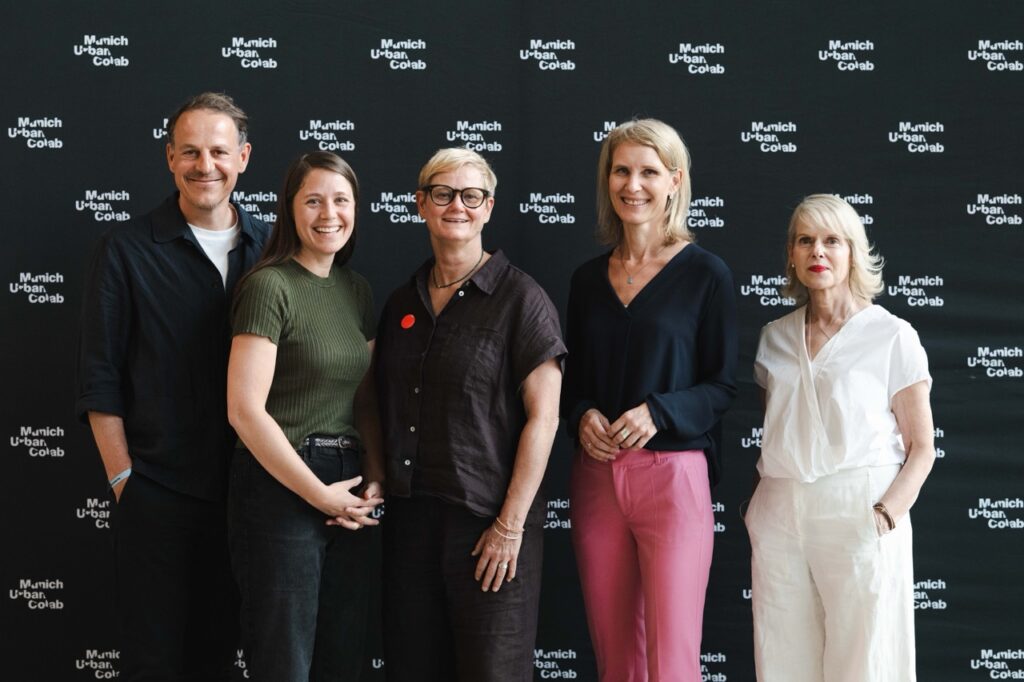
Our female experts also switched sides multiple times and contributed their perspectives:
- Christina Tillmann (ADAC Foundation) stated in her keynote address: “Only 10% of 16- to 27-year-olds are satisfied with the status quo of mobility. The majority of them do not believe that technological innovations will be implemented.”
- Anne Hogeback (PlanTreff, State Capital Munich) said: “It is important that we don't just listen to the loud people. We need to listen more to the quiet ones.”
- Carolin Zimmer (TUM / MCube) warned: “Necessary transformations must be supported by society.”
Heartfelt thanks to our experts for their insights and their openness to engaging in the debate, as well as the audience.
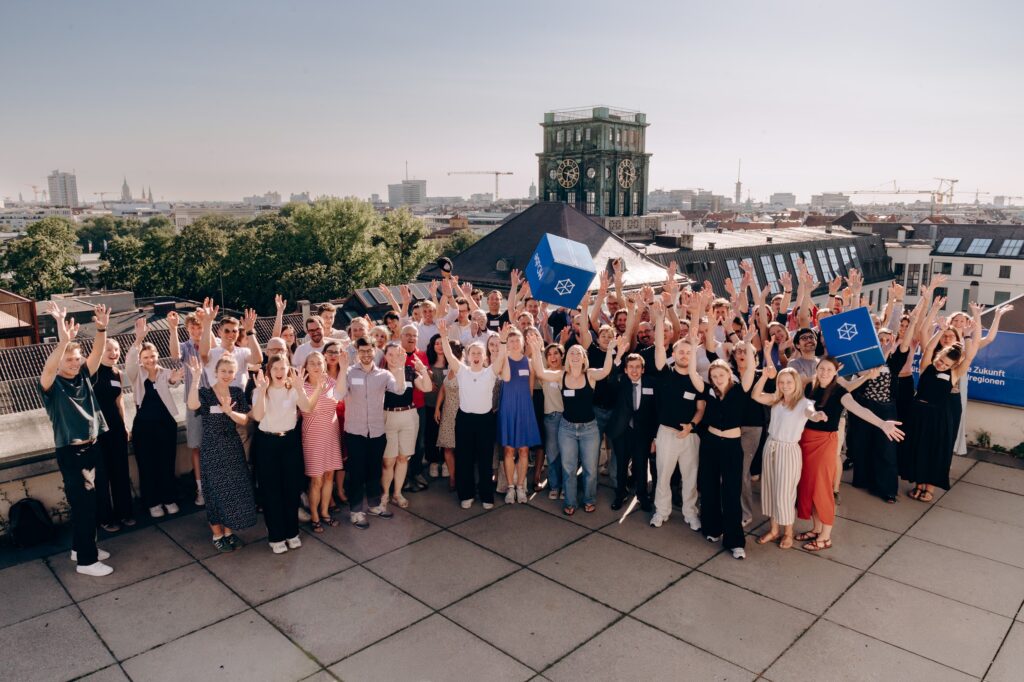
We also thank Sabine Hansky from Munich Urban Colab, to all contributors and participants for an evening of engaged discussions, new perspectives, and constructive exchange.
The event has once again shown: Good urban and mobility development thrives on participation – and on the willingness to listen to others and question one's own position.
Photos: Munich Urban Colab / Andreas Gebert