SASIM

Smart Advisor for Sustainable Integrated Mobility (SASIM) - A full-cost perspective on urban transportation

What did we do?

Create transparency about the actual costs of mobility

We have been working to create a full cost perspective on urban transport. In addition to air pollutants and climate damage, full costs also include accidents, traffic jams, land consumption, and noise.

Within the project, innovative approaches were developed that enable the promotion of sustainable mobility behavior through cost transparency, awareness-building, and planning and control elements.

How did we do it?

Mobility options evaluated by their total costs

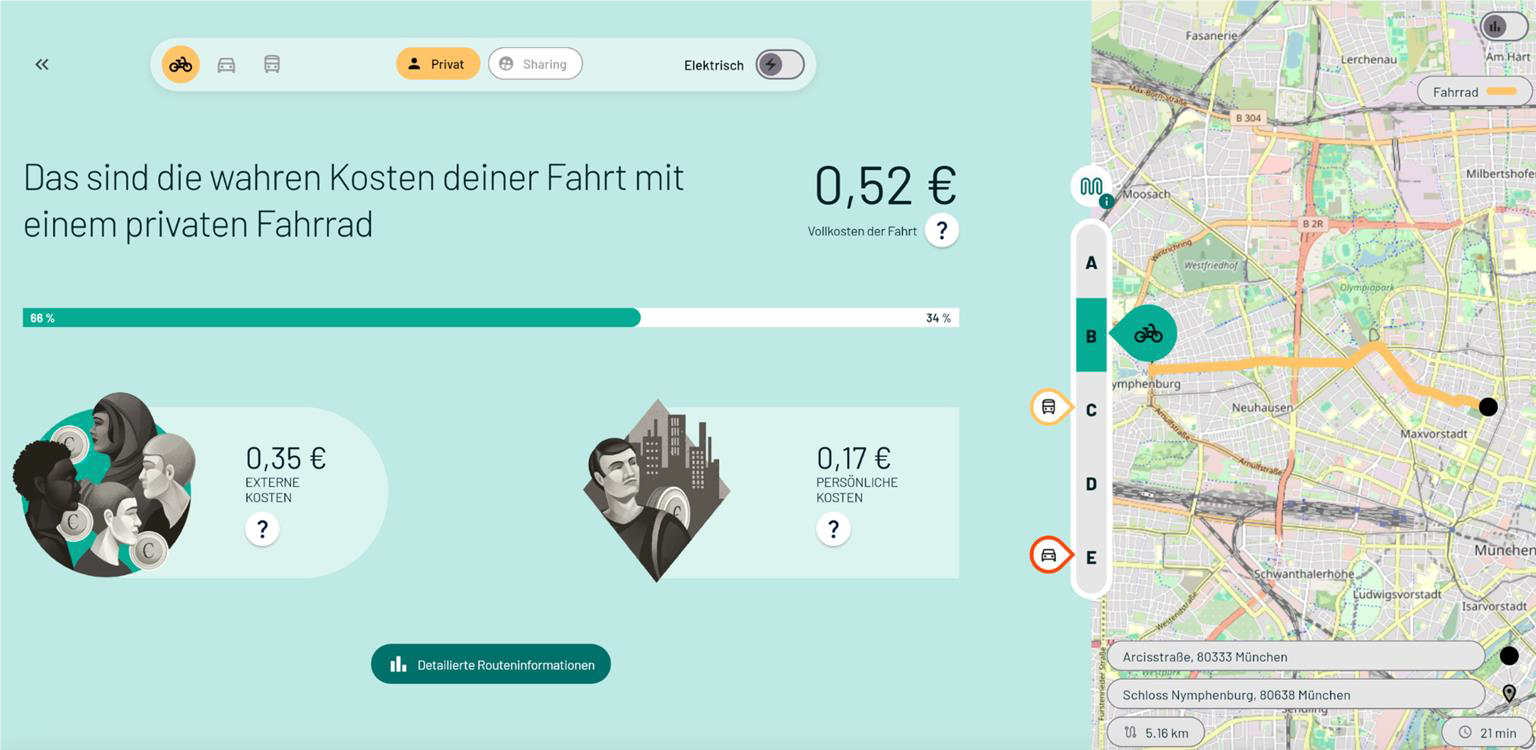
An online, freely available full-cost calculator has been developed that provides evaluated mobility options for individual route inquiries.

To promote sustainable mobility behavior, scenarios for a holistic, dynamic full-cost pricing system have also been developed. 

These scenarios are then examined with regard to their impact on accessibility and mobility behavior.

Why did we do it?

Making sustainability visible in transport decisions

The qualitative assessment of different mobility options with regard to their sustainability should enable planners and policymakers to create price incentives for travelers to make their mobility behavior more sustainable – both in the short term (e.g., choice of transportation) and in the long term (e.g., car ownership).

For citizens, the difference between estimated or perceived impacts and decisions regarding transportation choices and their actual effects will be shown, thereby creating transparency.

Do you want to know the true price of your mobility?

Mobiscore online tool and its evaluation

We are very proud to finally present our full cost calculator!

The MCube innovation project SASIM has developed an online tool to make the full costs of our mobility visible.

Why? Up to now, we have only paid the personal (internal) costs for our mobility, such as fuel costs or public transport tickets. However, external costs such as noise pollution, air pollution and accident-related costs also play a major role.

These costs are not borne by the users, but by society.

Go try it out!!! 

External Cost Tool

Simple cost calculator for transportation in rural communities

Our external cost tool enables municipalities to quickly and easily calculate the external costs of transport caused by their residents. It also allows for the analysis of the impacts of various mobility measures on the modal split and the external cost balance.

The tool is specifically developed for rural municipalities in Bavaria that want to easily evaluate measures even without a calibrated traffic model.

If you are interested in the tool, please contact sasim@mcube-cluster.com.

Project partners

SASIM relied on a team of science, business, and public authorities.

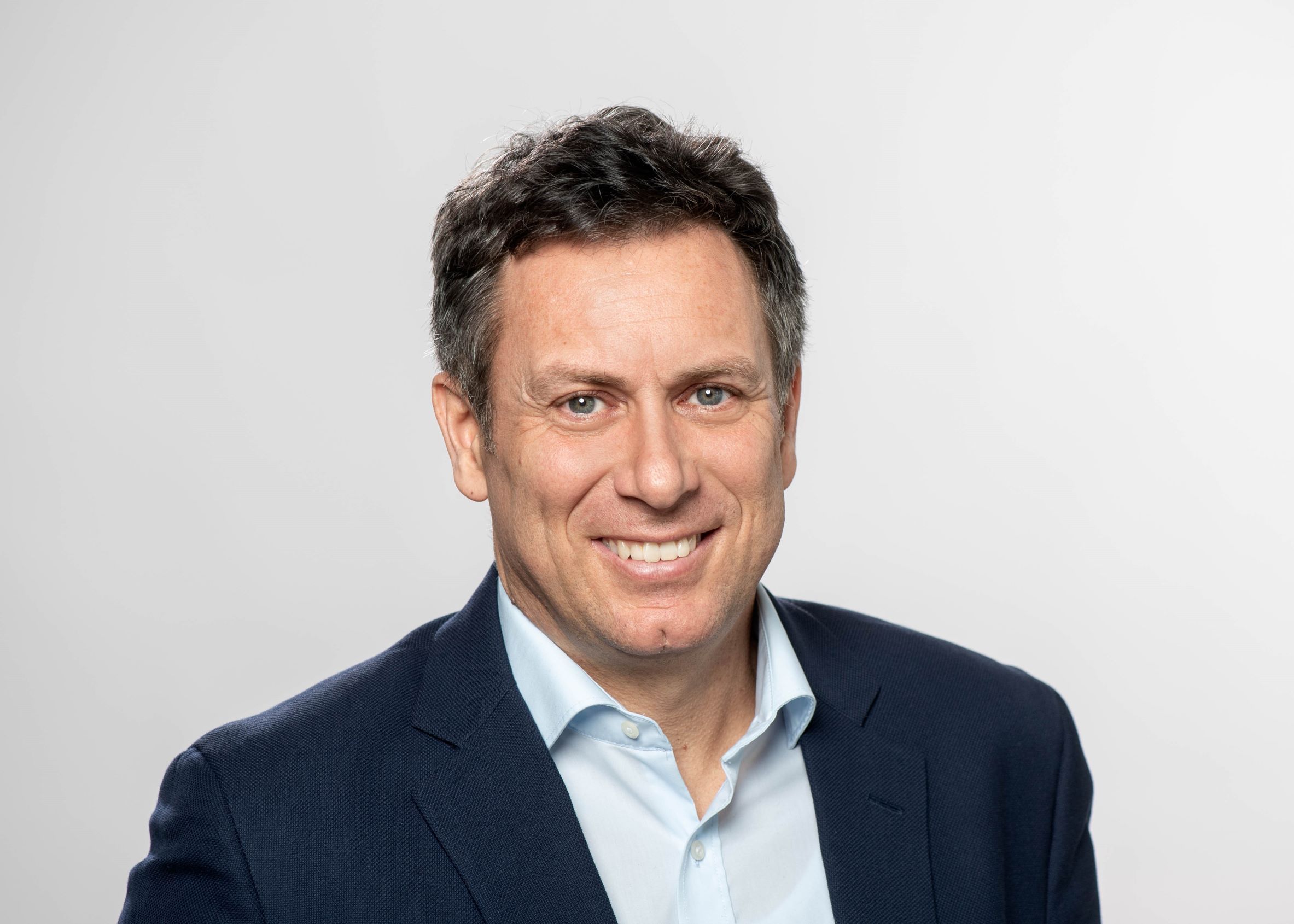
Prof. Dr. Allister Loder

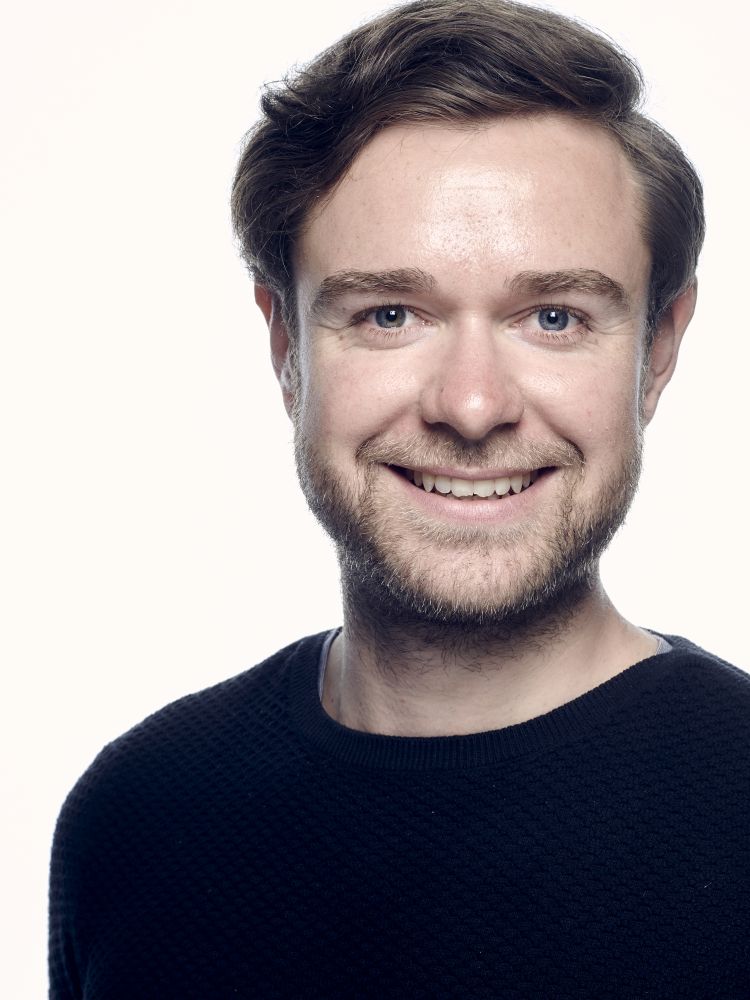
Dr.-Ing. Julia Kinigadner

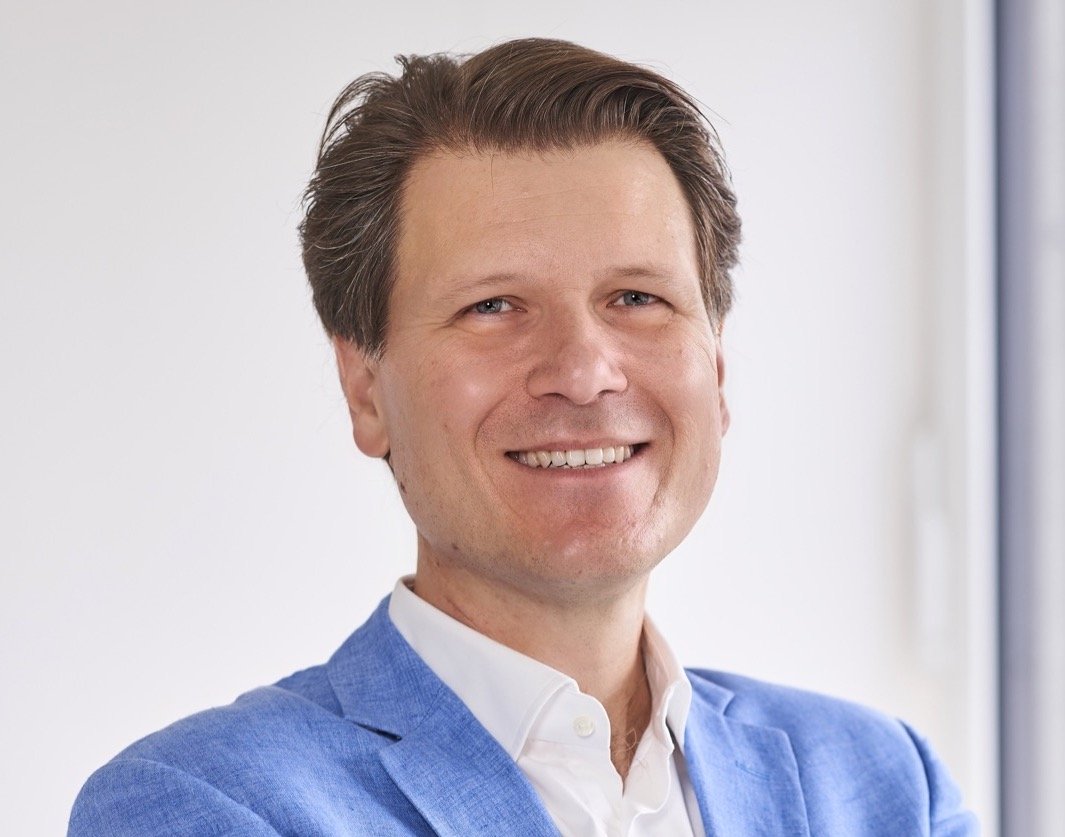
Dr.-Ing. Daniel Schröder

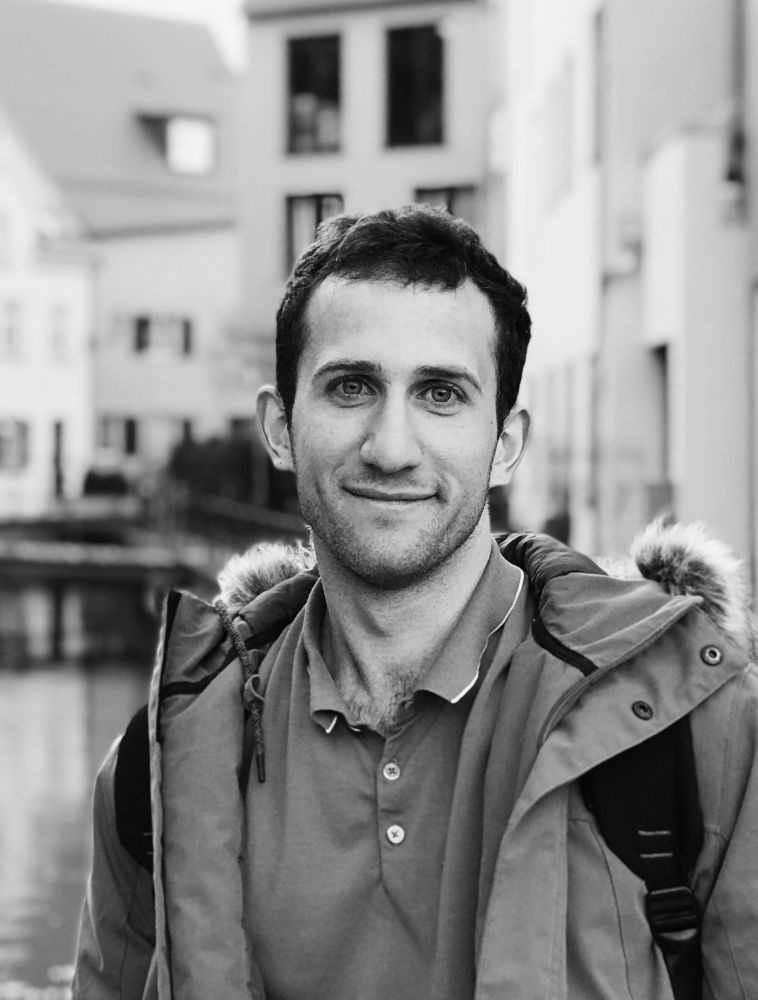
Paulina Schmidl

Philipp Blum

Prof. Dr. Constantinos Antoniou

Filippos Adamidis

Nienke Buters

Prof. Dr. Christoph Ungemach

Prof. Dr.-Ing. Gebhard Wulfhorst

Yihan Xu

Johannes Horvath

Univ.-Prof. Dr.-Ing. Klaus Bogenberger

Das Logo zeigt die Buchstaben "TUM" in großen, blauen Großbuchstaben in einer klaren, modernen serifenlosen Schrift. Die Buchstaben sind sehr breit und dicht aneinander gereiht.
Logo des Münchner Verkehrs- und Tarifverbunds (MVV). Links ein stilisiertes kreisförmiges Symbol in Blau und Grün, rechts daneben die Buchstaben „MVV“ in dunkelblauer Schrift
Das Foto zeigt das BMW Group Logo
Logo des Bayerischen Staatsministeriums für Wohnen, Bau und Verkehr: Links ist das Bayerische Wappen - eingerahmt von zwei goldenen Löwen -, daneben ist der zweizeilige hellblaue Schriftzug.

Easy language

What is MOSAIQ?
Imagine something: There is more space for people. The streets have more trees and plants. Everyone can get around better. That's how your Schwabing-West district could be in the future. How would you like your district to be? We want to talk to you about it!

The project is called MOSAIQ. MOSAIQ is a research∙project. MOSAIQ means: Mobility and urban climate in the future city∙part. The Technical University of Munich is leading the project.

What is MOSAIQ about?
MOSAIQ wants to make the streets in the city∙part more beautiful. People should feel comfortable there. There should be more space. For meetings and plants, for example. You can help decide what is tried out in the Stadt∙teil. The ideas come from you. Some ideas will be tried out on the streets for a certain period of time.
The aim of MOSAIQ is to make urban districts good places to live.
At the same time, the climate in the city should improve. And people should be able to move around the city easily. 

What is happening in the district?

  • In the year 2025:
    The people in the district can participate. They can express their ideas. There are discussions, surveys and meetings. Researchers are also starting their work.
  • In the year 2026:
    Some ideas are tried out.
    They are moved around the streets for a certain period of time.
  • In the year 2027:
    The results are evaluated.
    Consideration is given to how things can continue∙.