With the seminar „Planning for Mobility Justice,“ an interdisciplinary teaching format was created at the Technical University of Munich, combining academic reflection with social practice. The focus was on questions of socially just mobility and the challenge of integrating diverse perspectives—from research and administration to lived everyday experiences—into shared learning and design processes.
The goal of the seminar is not only to theoretically discuss mobility (in)justice but also to jointly develop concrete forms of social intervention and public communication with practice partners.
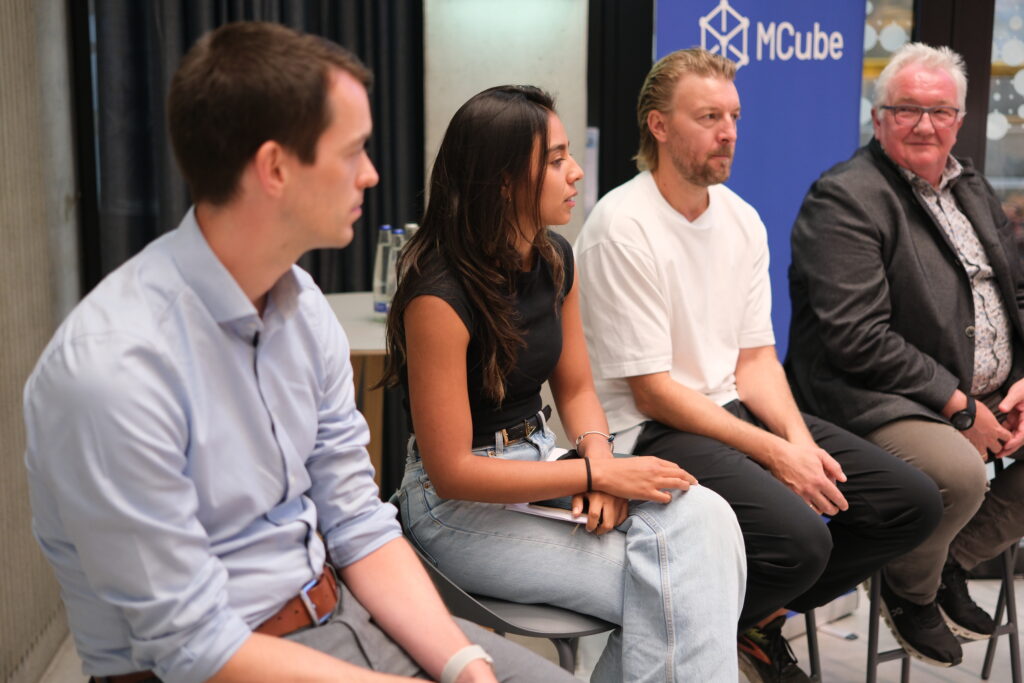
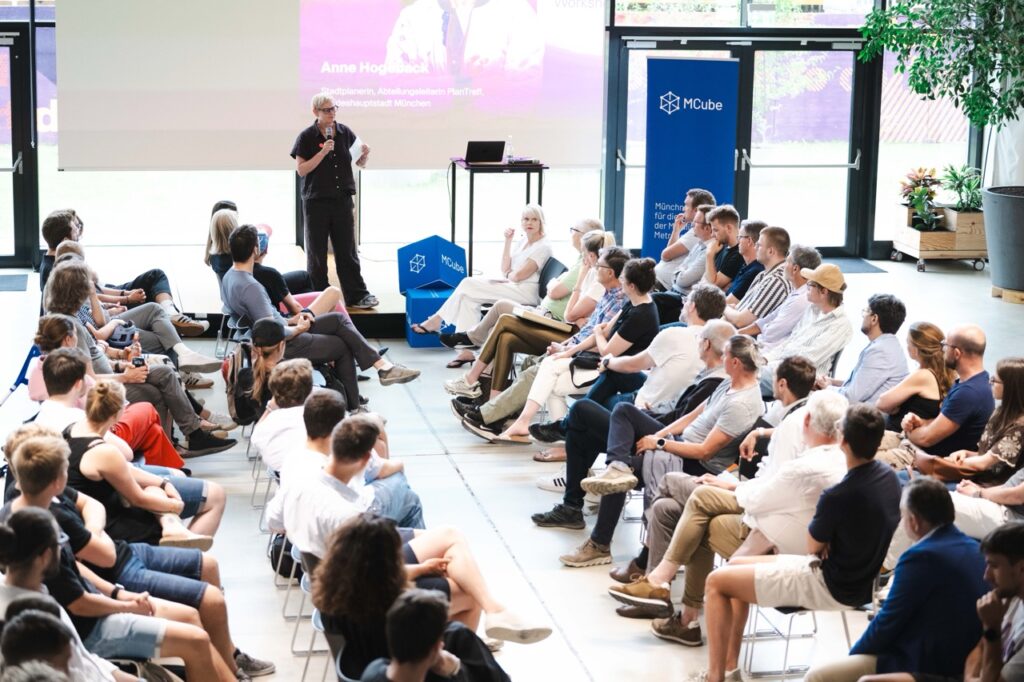
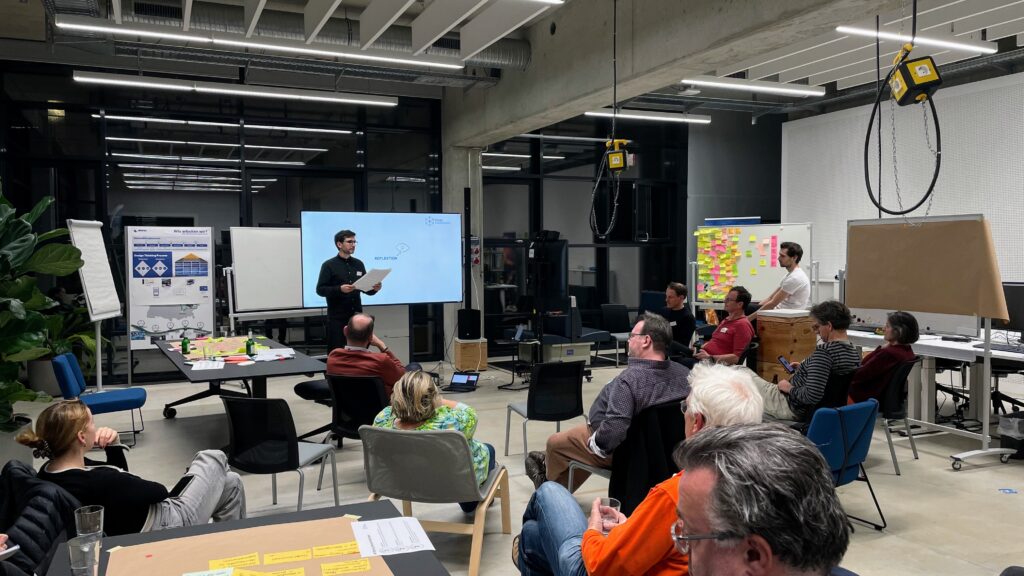
The closing event on February 9, 2026, provided a visible highlight for this: After a keynote by Mark Harrison that encouraged rethinking mobility systems and everyday objects, students presented their projects on current challenges of equitable mobility. Among other things, a website, a magazine, and comics and bookmarks were created, opening up new approaches to issues of participation, accessibility, and mobility culture.
Particularly formative was the close exchange with numerous partner organizations from administration, civil society, and research – including the state capital Munich with its Department of Mobility and the Advisory Board for Disabled Persons, as well as the MCube project ReMIX – and the resulting new space for discussion, reflection, and joint learning. Following its successful launch, the format is set to enter its next round in October 2026.
Further information about the seminar is available here.

Develop the next mobility innovations for metropolitan regions. Together. Possible. To make it happen.
In 2025, representatives from various municipalities regularly met as part of a Community of Practice to exchange ideas on meaningful practices with urban data for sustainable mobility.
A recent study from the ReMIX environment investigates, through urban experiments in Munich, how specific mobility futures are made effective by three central performative mechanisms.
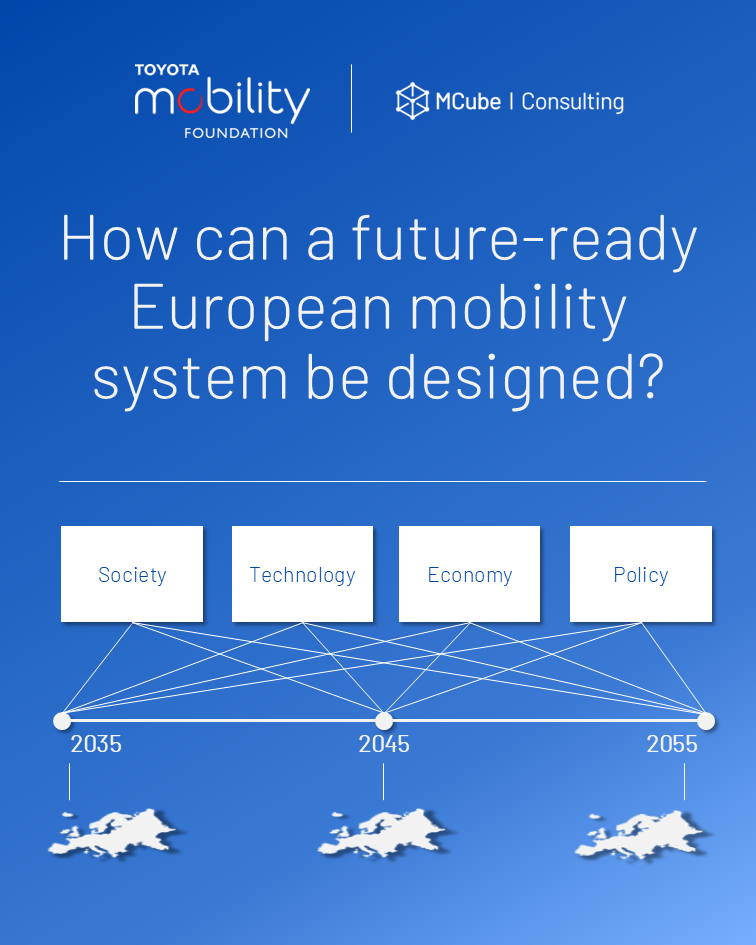
How can mobility innovations be designed responsibly — and what political frameworks are needed for this?
At re:publica 2026 in Berlin, MCube was represented at Europe's largest digital and society conference – with all 21 cluster and campus initiatives of the BMFTR.
5,000 guests, many insights: TUM's Sustainability Day made sustainable innovation tangible.
MCube Consulting is introducing SmartEvent, a digital tool that makes event registration in Munich easier and more efficient through the use of geodata.
The new study shows: Every euro invested in public transport in the MVV generates almost four times the economic value added.
Electric, autonomous, networked: The logistics industry is facing a major transformation. The MCube Speaker Series at the Deutsches Museum discussed how this future can become reality.
The lessons learned from the first MCube funding phase show which factors really drive projects forward - and where typical barriers arise.
No results available
What is MOSAIQ?
Imagine something: There is more space for people. The streets have more trees and plants. Everyone can get around better. That's how your Schwabing-West district could be in the future. How would you like your district to be? We want to talk to you about it!
The project is called MOSAIQ. MOSAIQ is a research∙project. MOSAIQ means: Mobility and urban climate in the future city∙part. The Technical University of Munich is leading the project.
What is MOSAIQ about?
MOSAIQ wants to make the streets in the city∙part more beautiful. People should feel comfortable there. There should be more space. For meetings and plants, for example. You can help decide what is tried out in the Stadt∙teil. The ideas come from you. Some ideas will be tried out on the streets for a certain period of time.
The aim of MOSAIQ is to make urban districts good places to live.
At the same time, the climate in the city should improve. And people should be able to move around the city easily.
What is happening in the district?