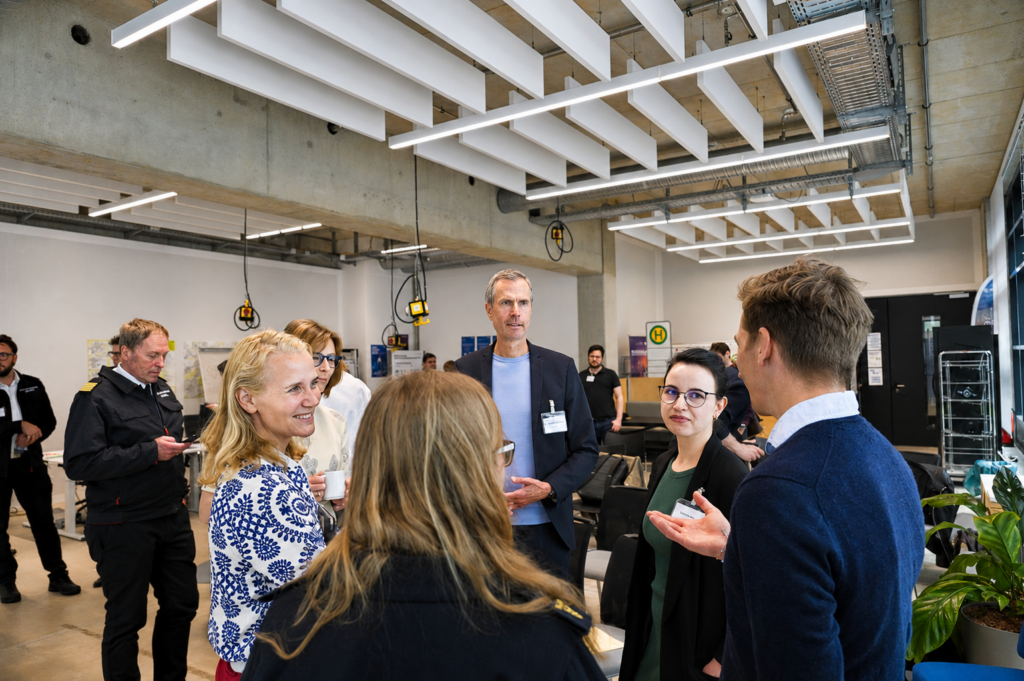
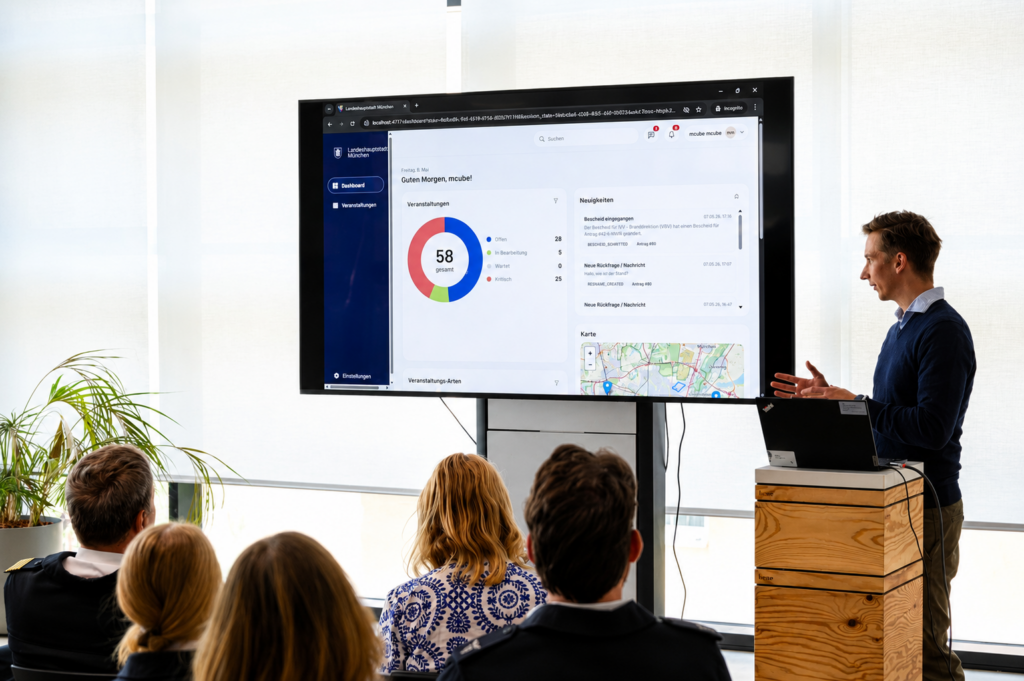
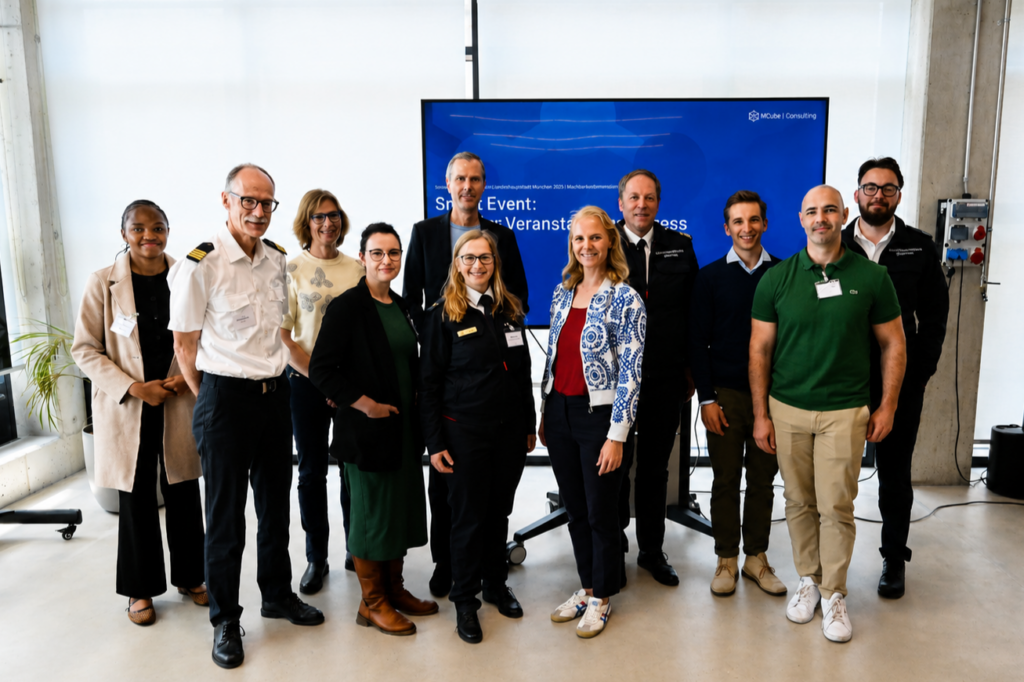
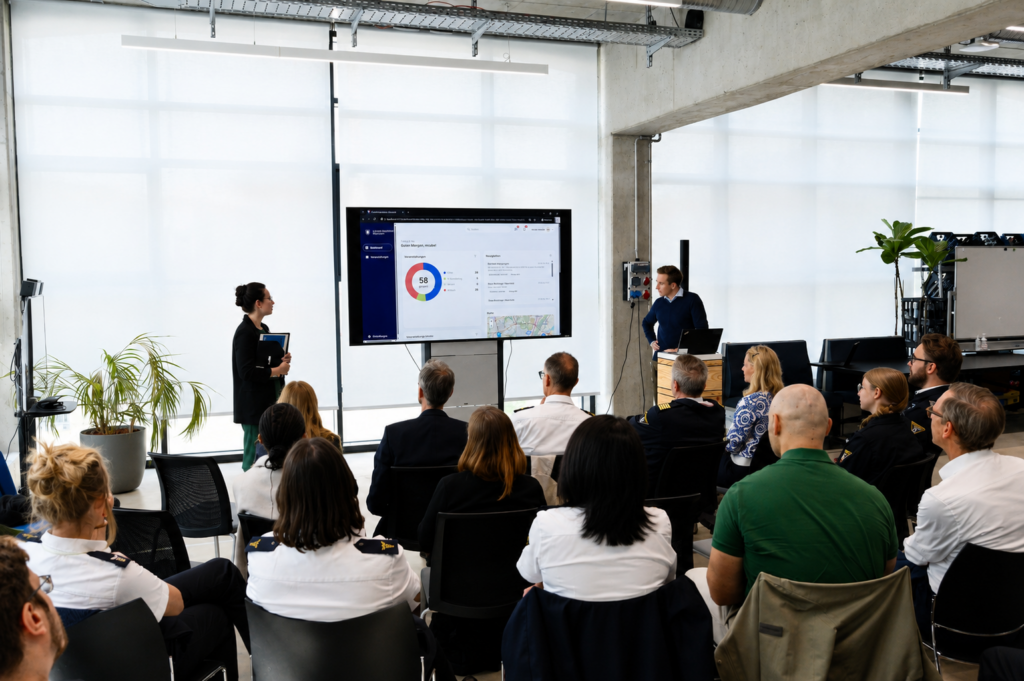
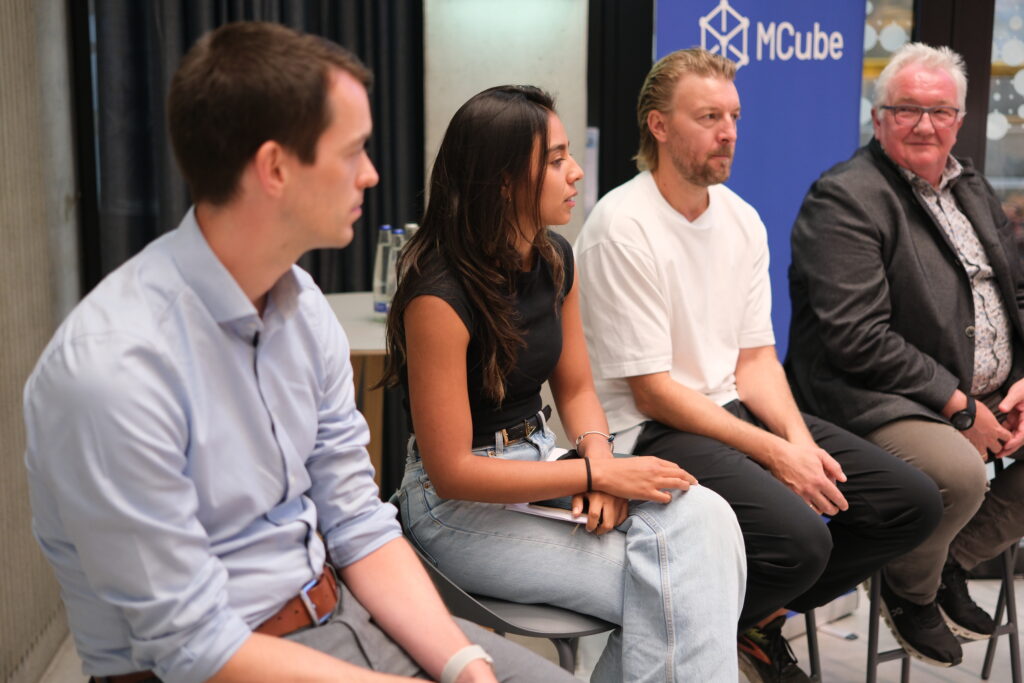
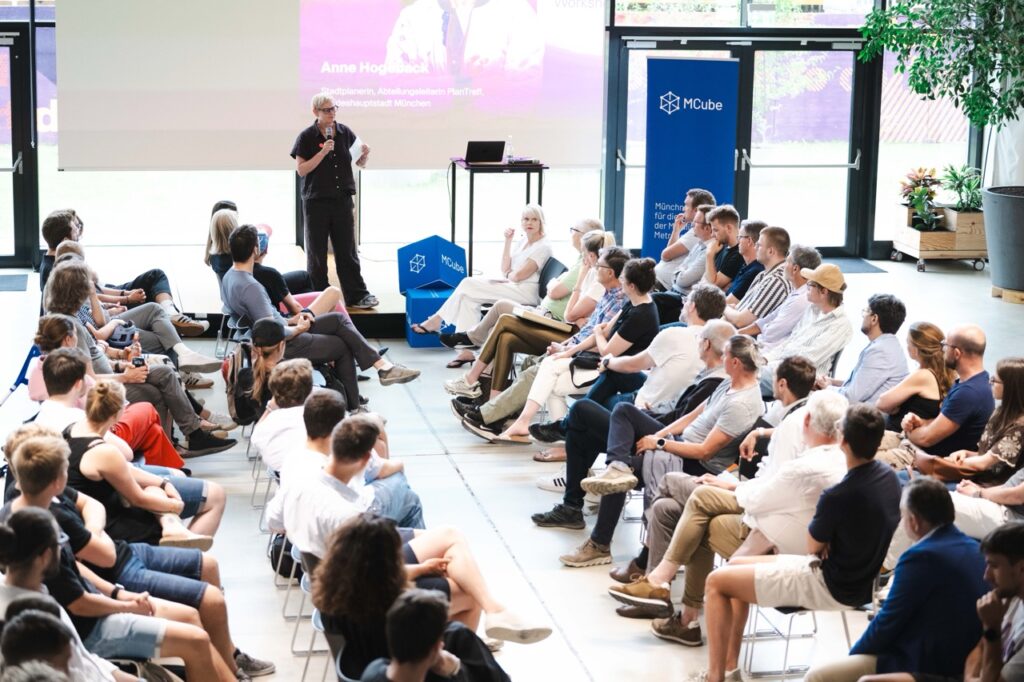
On May 8, 2026, MCube Consulting, in a joint meeting with the District Administration Department of the City of Munich, presented the prototype of the event software SmartEvent for the first time. The digital tool, developed as part of the City of Munich's innovation competition, is designed to simplify event registration and approval processes. MCube Consulting had already received the [award/recognition] for this idea in 2025. Innovation Award of the State Capital awarded.
From PDF Process to Digital Data Flow
Munich is an important event location, with around 9,000 events and gatherings per year. At the same time, event registration has often been time-consuming for organizers and administration: different PDF forms, follow-up questions, and coordination among numerous specialist departments consume time that is urgently needed elsewhere.
This is where the SmartEvent tool comes in. MCube Consulting developed during the Co-CreationRefers to a joint development process in which various stakeholders - such as users, experts or citizens - actively participate in the design of ideas, products or solutions. In close coordination with the KVR's event and assembly office as well as the LHM's fire department, a digital solution approach that combines the application, review, and processing of events.
More time for technical decisions
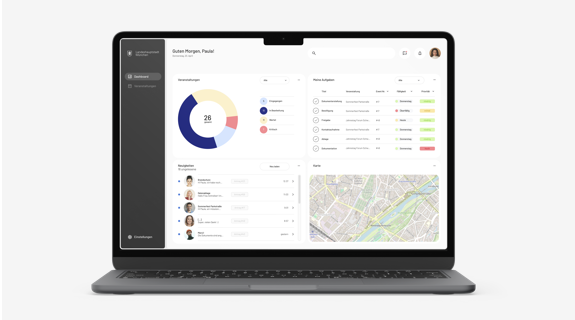
At the core of the tool is the combination of process digitization and urban geodata. A functional prototype was implemented between October 2025 and April 2026, which supports the entire process from application submission to decision issuance, including backend functions for administration and specialized departments.
For organizers, registration will be clearer and more user-friendly. Instead of working through various forms, a digital system guides them through the application, significantly reducing incomplete or incorrect information.
For management, the greatest added value lies in the background. Processes can be coordinated, processed, and documented centrally. This includes central document management, interfaces to specialist systems, and integrated audit mechanisms.
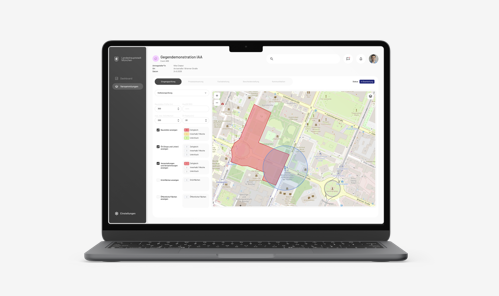
Central to the tool is the integration of geographic data. Events are spatially located, making inspections more intuitive and efficient. Relevant data can be integrated via interfaces or databases. In the collision analysis, for example, it can be evaluated which public transport lines are specifically affected by the event, or which green spaces are to be used. SmartEvent bundles this data, implements rules, and automatically forwards this information to the responsible specialist departments.
Additional features further improve the daily workflow. These include targeted notifications for time-critical processes, transparent and centralized communication of changes, an interface for electronic files, and controlled transfer of personal data to authorized entities.
Innovations for Municipal Administration
SmartEvent demonstrates how municipal administrative processes can be noticeably relieved through digital tools. Automatable routine tasks are reduced, while more time remains for tasks that require human judgment, all while considering municipal infrastructure and data protection requirements.
SmartEvent's approach is also scalable. Future systems and developments in municipalities can be integrated with variable depth and built upon the existing architecture.
Outlook
The project is a strong sign of how innovation can happen in municipalities. The project benefits from applied research within the scope of the MCube DatSim project and the close Co-CreationRefers to a joint development process in which various stakeholders - such as users, experts or citizens - actively participate in the design of ideas, products or solutions. Collaborate with users in the city administration. This way, SmartEvent not only demonstrates a concrete solution for event management, but also a transferable development approach that municipalities can use to digitally transform further administrative processes in a user-centered and innovative way.
Thanks
MCube Consulting is grateful for the opportunity to gain hands-on experience with municipal digitalization. In particular, the cooperation with the various stakeholders of the LHM was crucial for our shared success.