euMOVE 2022 study project - Final Report (Sept. 22)

Im Sommersemester 2022 wurde das Studierendenprojekt euMOVE – European Mobility Venture wie im Vorjahr erneut durchgeführt.

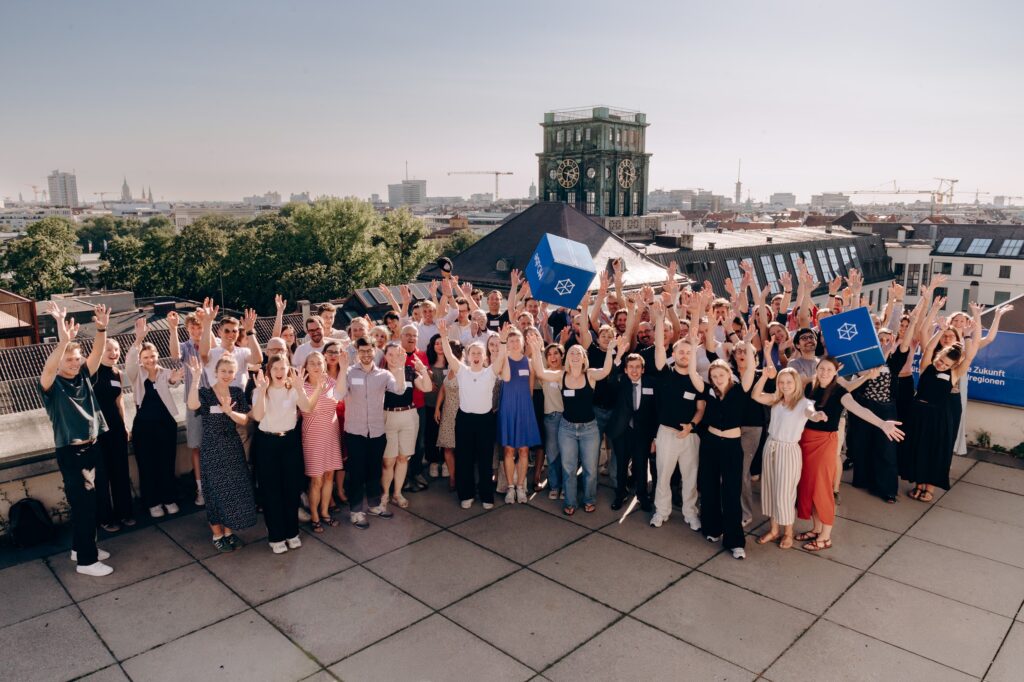
Eine Gruppe aus insgesamt 12 Studierenden begab sich auf eine Forschungsreise in drei europäische Städte, um ein Benchmarking innovativer Mobilitätslösungen durchzuführen und deren Übertragbarkeit auf die Metropolregion München zu untersuchen.

Was haben Brüssel, Lissabon, Mailand und Paris gemeinsam? Alle vier Städte verfolgen ambitionierte Ansätze zur Förderung nachhaltiger urbaner Mobilität – sie stärken den öffentlichen Verkehr, schaffen Raum für Radverkehr und aktive Mobilität und entwickeln Maßnahmen, um den motorisierten Individualverkehr zu reduzieren. Themen, die auch für München von zentraler Bedeutung sind und entsprechend in den laufenden und geplanten MCube-Teilprojekten eine wichtige Rolle spielen. Nach der Untersuchung von Kopenhagen, Oslo und Amsterdam durch die vorherige Kohorte entschieden sich die Studierenden in diesem Jahr bewusst für diese drei Zielregionen.

Die diesjährige Kohorte bestand erneut aus 12 Studierenden der Technischen Universität München aus unterschiedlichen Fachrichtungen – von den Ingenieurwissenschaften über Management bis hin zu den Sozialwissenschaften. In interdisziplinär zusammengesetzten Kleingruppen reisten jeweils vier Studierende in eine der drei Zielregionen. Ziel war es, nicht nur Einblicke in die lokalen Mobilitätssysteme, deren Kontexte und aktuelle Innovationstrends zu gewinnen, sondern vor allem Gemeinsamkeiten, Unterschiede und daraus ableitbare Potenziale für die Metropolregion München herauszuarbeiten.

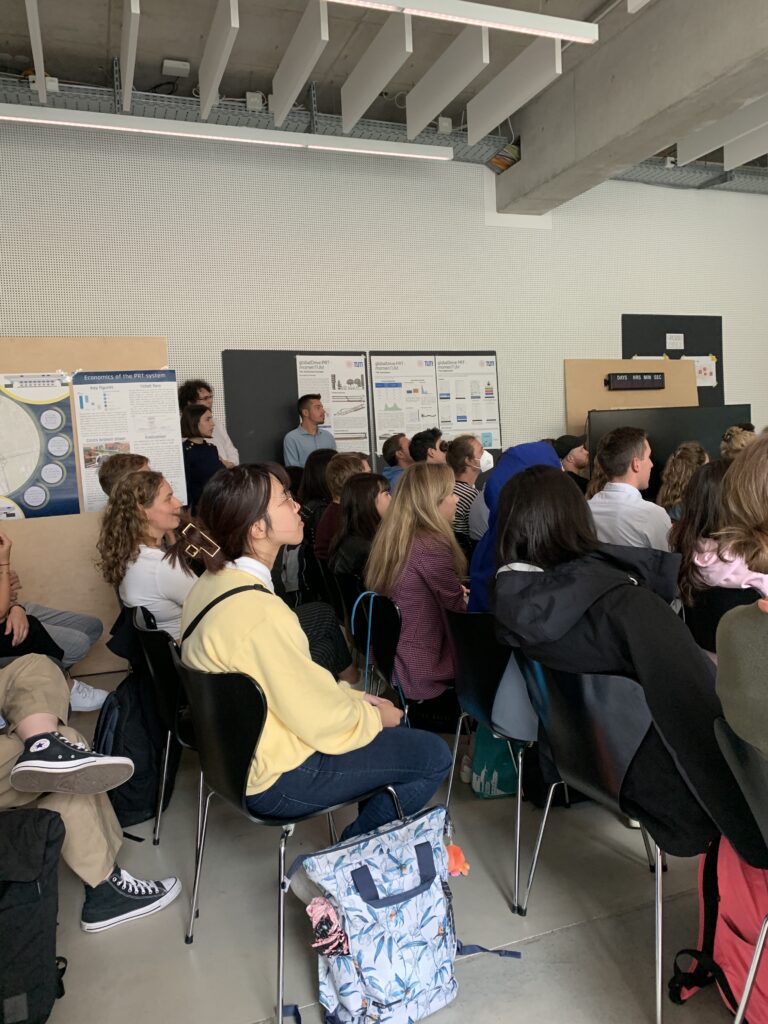
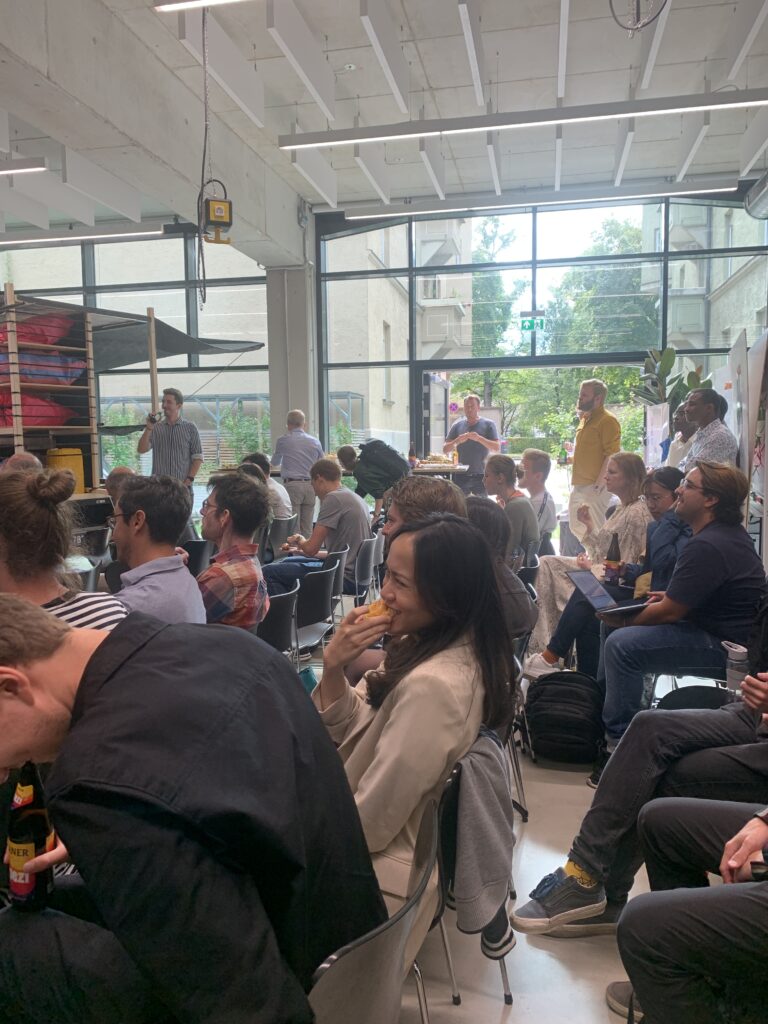
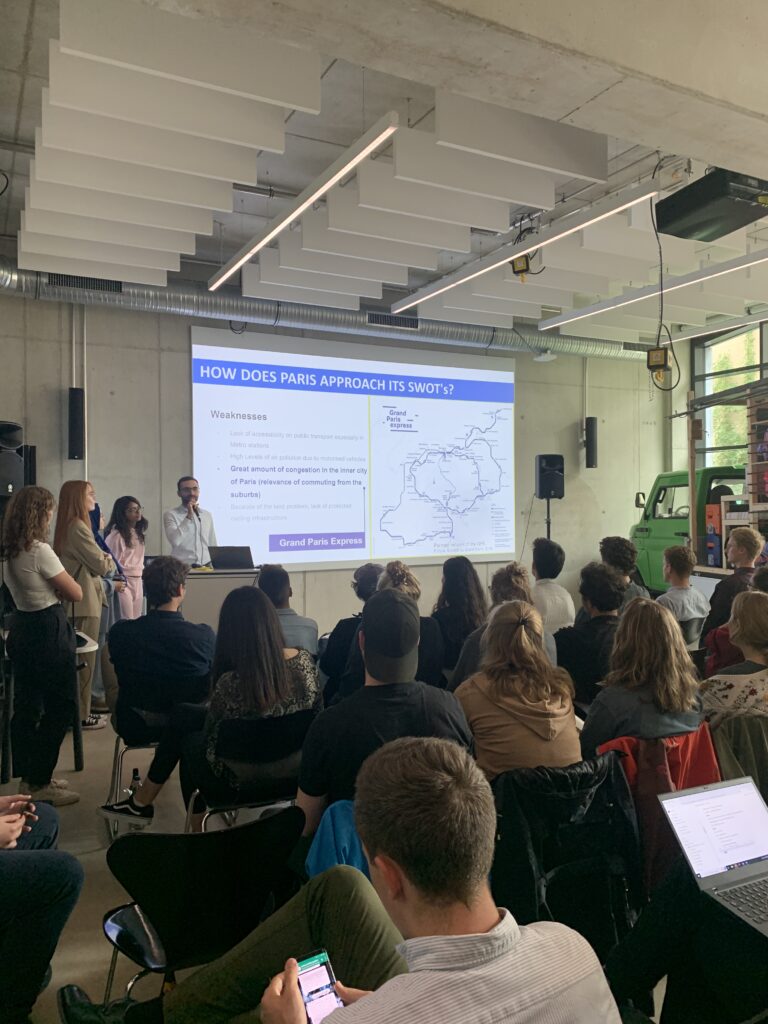
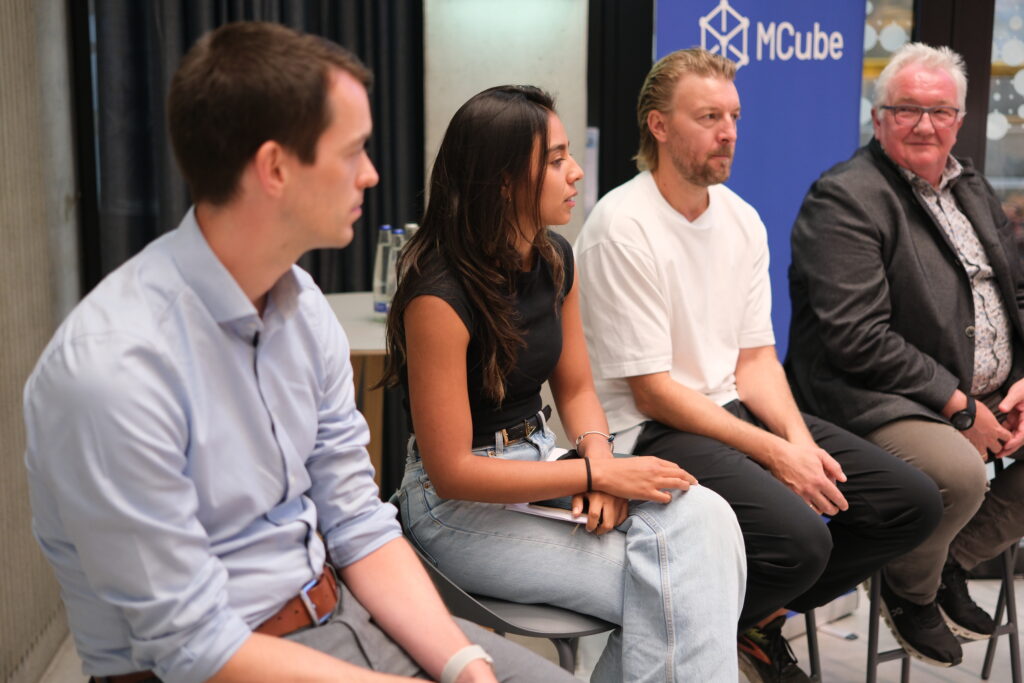
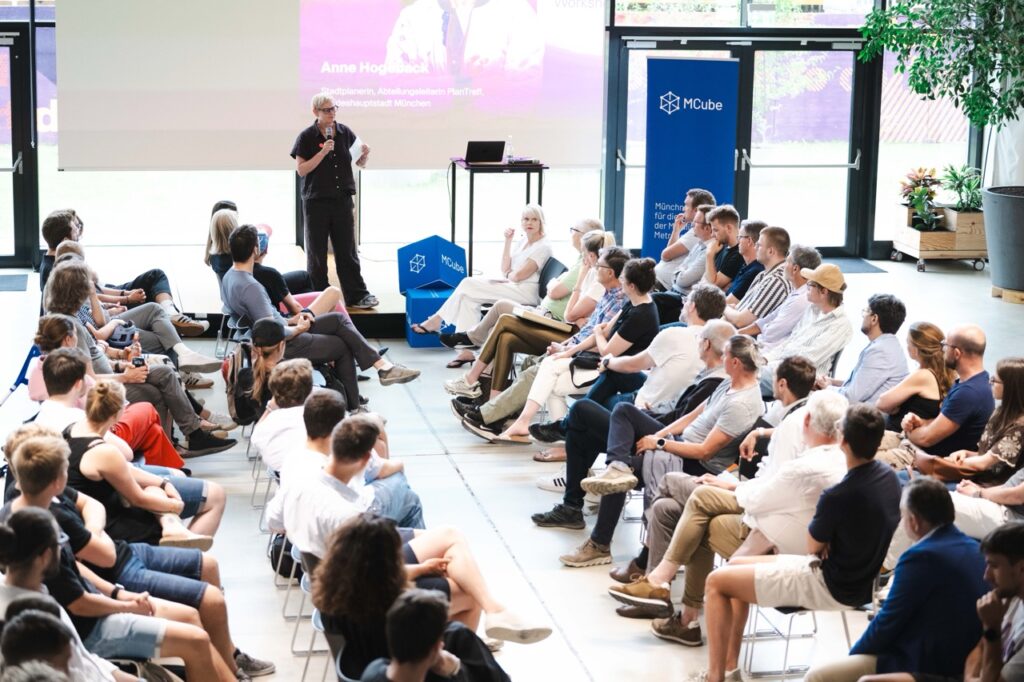
Nach mehreren intensiven Arbeitsmonaten, einschließlich Expert:inneninterviews, Dokumentenanalysen und einem mehrtägigen Forschungsaufenthalt in den jeweiligen Städten, wurde das Projekt im September 2022 erfolgreich abgeschlossen. Die Studierenden präsentierten ihre Ergebnisse im Rahmen einer Abschlussveranstaltung am 15.09.2022 vor Vertreterinnen und Vertretern des MCube Konsortiums sowie weiteren Partnerinnen und Partnern. Zusätzlich wurden die Ergebnisse in einem gemeinsamen Projektbericht zusammengefasst.

Der finale Report steht hier zur Verfügung: Finaler Report euMOVE 2022

The lessons learned from the first MCube funding phase show which factors really drive projects forward - and where typical barriers arise.

Creating transparency, proving impact, sharpening strategies - the new indicator guide supports precisely this.

For the first time in this format, students made their way to three European cities. They went to Stockholm, Tallinn/Helsinki and Barcelona.

This time, mobility in the cities of Ljubljana, Genoa and Utrecht was examined.

How can mobility data and simulations make cities more liveable - and change visible and tangible?

Where to put cars, bicycles and e-scooters - and how do we organize parking space fairly, efficiently and sustainably?

The Mobi-Score - The hidden costs of mobility at a glance

Resilient change towards sustainable mobility - lessons for a transformative urban mobility policy

Experimenting for the mobility transition - impetus for municipalities to dealing with real-world laboratories

Public spaces and social participation - The WHAT and HOW of comprehensive Participation for a local mobility transition

Easy language

What is MOSAIQ?
Imagine something: There is more space for people. The streets have more trees and plants. Everyone can get around better. That's how your Schwabing-West district could be in the future. How would you like your district to be? We want to talk to you about it!

The project is called MOSAIQ. MOSAIQ is a research∙project. MOSAIQ means: Mobility and urban climate in the future city∙part. The Technical University of Munich is leading the project.

What is MOSAIQ about?
MOSAIQ wants to make the streets in the city∙part more beautiful. People should feel comfortable there. There should be more space. For meetings and plants, for example. You can help decide what is tried out in the Stadt∙teil. The ideas come from you. Some ideas will be tried out on the streets for a certain period of time.
The aim of MOSAIQ is to make urban districts good places to live.
At the same time, the climate in the city should improve. And people should be able to move around the city easily. 

What is happening in the district?

  • In the year 2025:
    The people in the district can participate. They can express their ideas. There are discussions, surveys and meetings. Researchers are also starting their work.
  • In the year 2026:
    Some ideas are tried out.
    They are moved around the streets for a certain period of time.
  • In the year 2027:
    The results are evaluated.
    Consideration is given to how things can continue∙.