How radical will AIArtificial intelligence (AI) refers to technologies that enable machines to perform tasks that require human intelligence - such as learning, problem solving or understanding language. In mobility, AI is used in route optimization, autonomous driving and intelligent traffic control systems to make mobility more efficient, safer and more sustainable. change all our lives, our cities and our mobility?
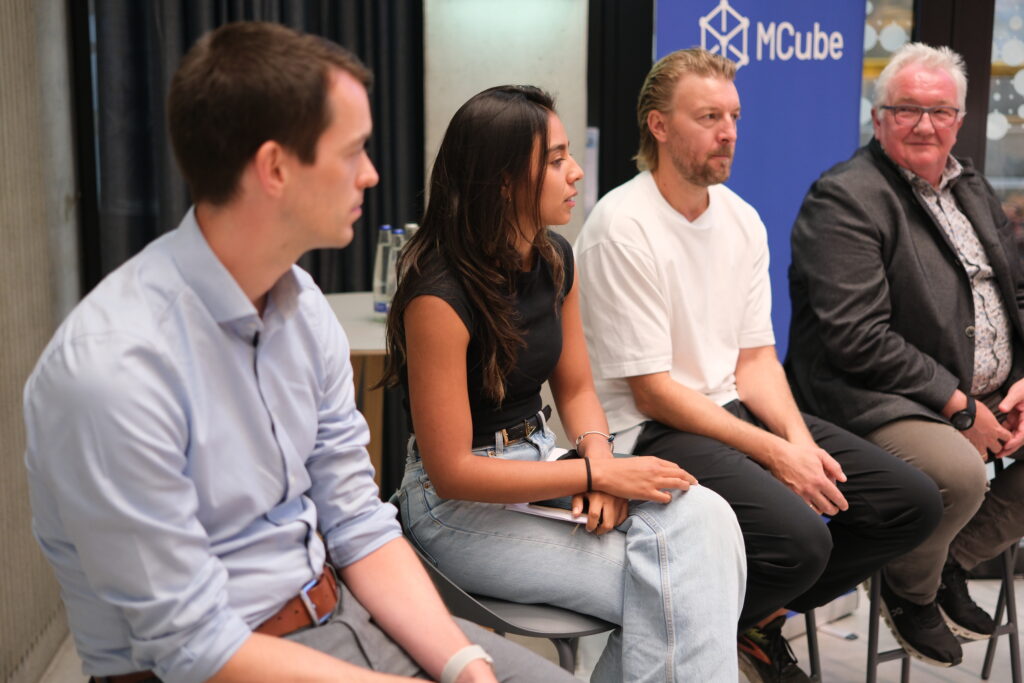
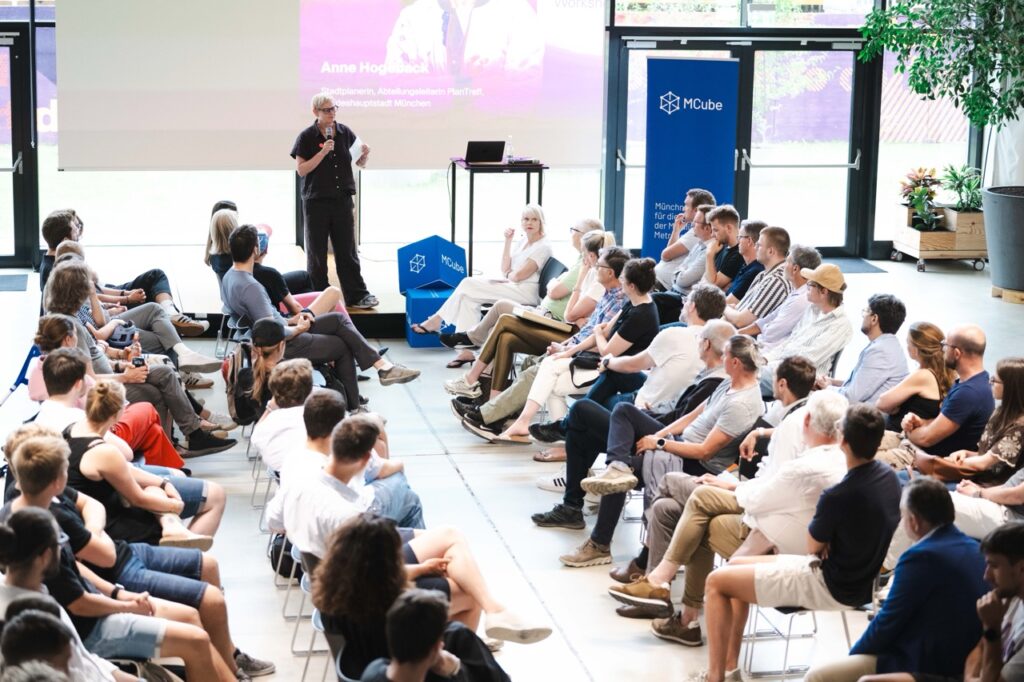
On May 25, 2023, we addressed precisely these questions together with experts. With impulses from the urban, practical and scientific perspective, ideas and visions for the role of artificial intelligence within the urban context for the near future were discussed.
AI technologies offer immense opportunities for our society and working world, especially in the area of urban mobility. Our cities are becoming ever more densely populated and the demands on transport systems are increasing. The integration of AIArtificial intelligence (AI) refers to technologies that enable machines to perform tasks that require human intelligence - such as learning, problem solving or understanding language. In mobility, AI is used in route optimization, autonomous driving and intelligent traffic control systems to make mobility more efficient, safer and more sustainable. enables more efficient traffic planning and control. By analyzing real-time data, traffic flows can be optimized and congestion reduced. AIArtificial intelligence (AI) refers to technologies that enable machines to perform tasks that require human intelligence - such as learning, problem solving or understanding language. In mobility, AI is used in route optimization, autonomous driving and intelligent traffic control systems to make mobility more efficient, safer and more sustainable. the possibility of integrating autonomous vehicles into traffic.
But how can we ensure that AIArtificial intelligence (AI) refers to technologies that enable machines to perform tasks that require human intelligence - such as learning, problem solving or understanding language. In mobility, AI is used in route optimization, autonomous driving and intelligent traffic control systems to make mobility more efficient, safer and more sustainable. is used responsibly and ethically? And what effects does the integration of AIArtificial intelligence (AI) refers to technologies that enable machines to perform tasks that require human intelligence - such as learning, problem solving or understanding language. In mobility, AI is used in route optimization, autonomous driving and intelligent traffic control systems to make mobility more efficient, safer and more sustainable. on our society and how can we prepare for them?
Our first speaker Dr. Laura Dornheim IT Officer and Chief Digital Officer (CDO) of the City of Munich, gave a video insight into the AIArtificial intelligence (AI) refers to technologies that enable machines to perform tasks that require human intelligence - such as learning, problem solving or understanding language. In mobility, AI is used in route optimization, autonomous driving and intelligent traffic control systems to make mobility more efficient, safer and more sustainable. in the administration. She emphasized that AIArtificial intelligence (AI) refers to technologies that enable machines to perform tasks that require human intelligence - such as learning, problem solving or understanding language. In mobility, AI is used in route optimization, autonomous driving and intelligent traffic control systems to make mobility more efficient, safer and more sustainable. has a prominent future within the administration of the City of Munich and gave examples of what this could look like: In the near future, citizens should be able to communicate with administrations in "natural language" instead of "official German".
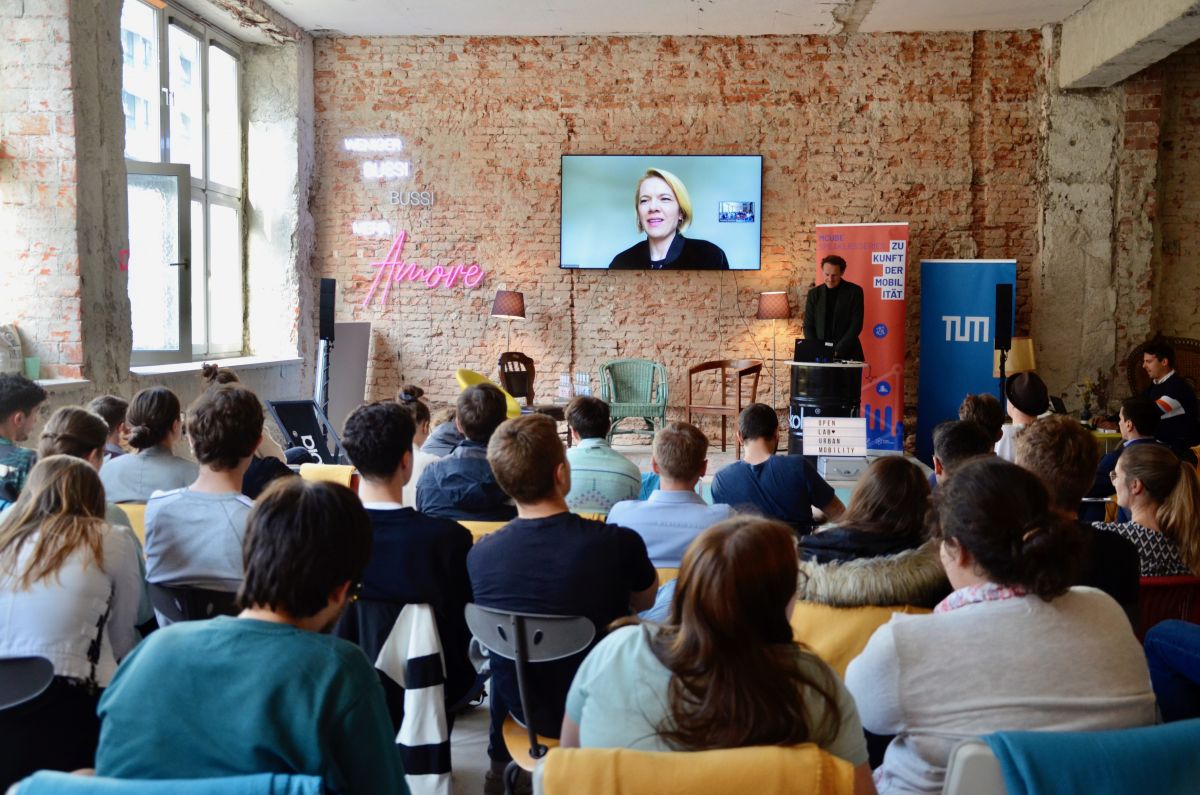
The much-discussed topic of digitalization also found its place in this speaker series and was discussed in the context of improving urban planning. For example AIArtificial intelligence (AI) refers to technologies that enable machines to perform tasks that require human intelligence - such as learning, problem solving or understanding language. In mobility, AI is used in route optimization, autonomous driving and intelligent traffic control systems to make mobility more efficient, safer and more sustainable. in aerial image analysis or for filling traffic data gaps.
"City of Munich should be digitally sovereign."
Dr. Laura Dornheim
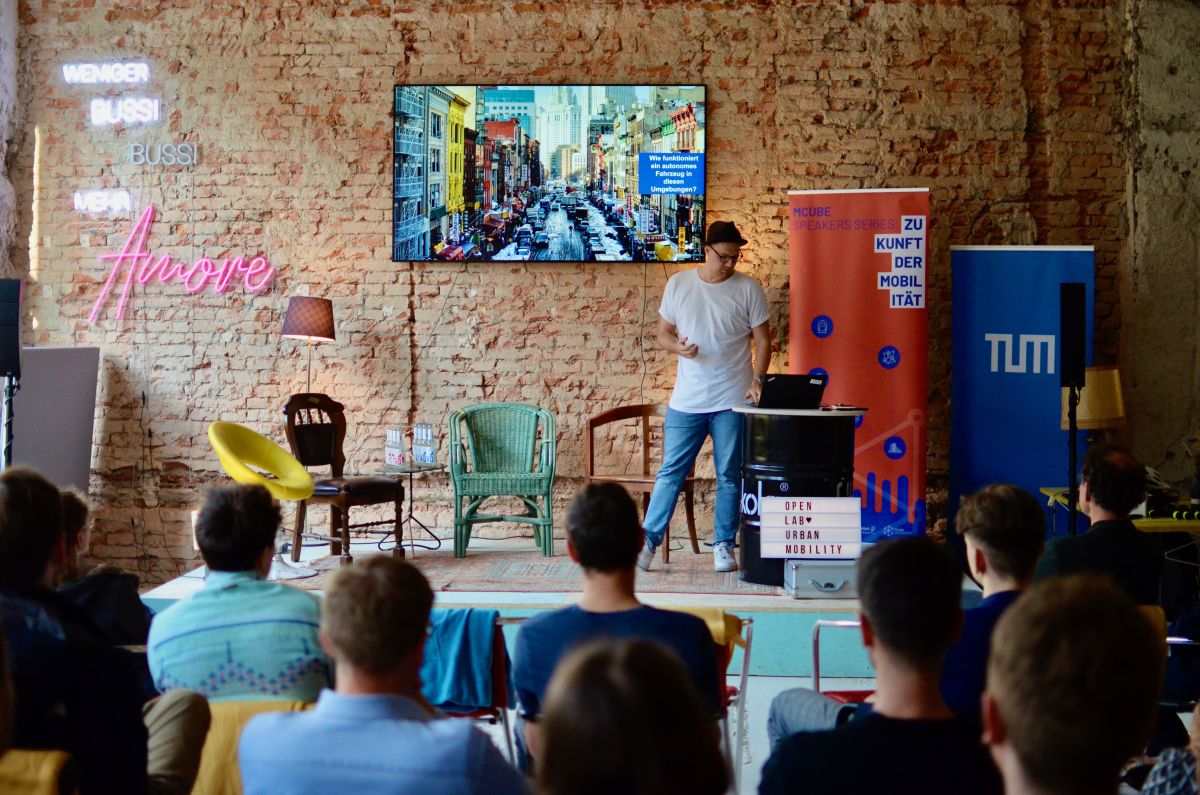
Prof. Dr. Johannes Betz and Prof. Dr. Jochen Hartmann from the Technical University of Munich reported on AI-supported mobility systems and smart cities in their respective presentations. Prof. Dr. Betz works and researches in the field of autonomous vehicle systems and gave an insight into the progress of AIArtificial intelligence (AI) refers to technologies that enable machines to perform tasks that require human intelligence - such as learning, problem solving or understanding language. In mobility, AI is used in route optimization, autonomous driving and intelligent traffic control systems to make mobility more efficient, safer and more sustainable. in autonomous driving. In addition, Prof. Dr. Hartmann works and researches in the field of digital marketing and shows how AIArtificial intelligence (AI) refers to technologies that enable machines to perform tasks that require human intelligence - such as learning, problem solving or understanding language. In mobility, AI is used in route optimization, autonomous driving and intelligent traffic control systems to make mobility more efficient, safer and more sustainable. this topic area now and in the future. Furthermore, digital marketing with AI influence was analyzed using the MCube project Wies'n Shuttle illustrated. Chatbots such as ChatGPT and OpenAI will play an increasingly important role in our lives and mobility in the city.
"We are much closer to autonomous driving in an urban context than many people think."
Prof. Dr. Johannes Betz
The last speaker was Tobias GlaßStrategy Manager for Connected and Autonomous Mobility at Stadtwerke München, explained in his presentation how Stadtwerke and MVG AIArtificial intelligence (AI) refers to technologies that enable machines to perform tasks that require human intelligence - such as learning, problem solving or understanding language. In mobility, AI is used in route optimization, autonomous driving and intelligent traffic control systems to make mobility more efficient, safer and more sustainable. want to integrate into future projects.
"Autonomous driving enables safe and efficient road use."
Tobias Glaß
About our speakers:
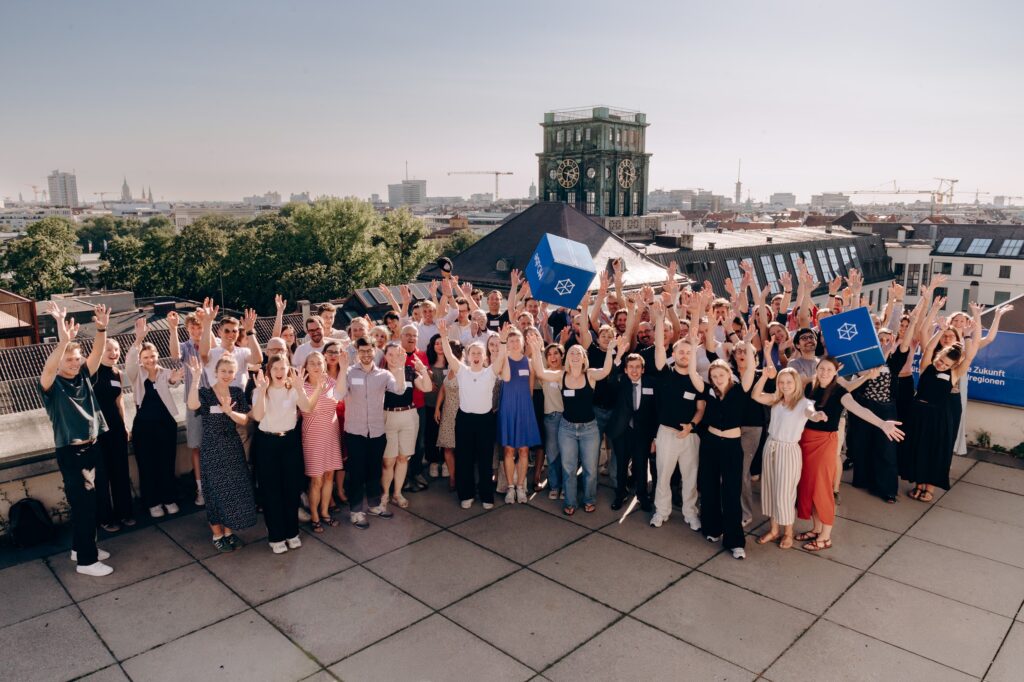
Many thanks for the impulses and discussions. A special thank you to Munich's innovative bridge builder Munich Innovation Crew & MUCBOOK Magazine for their hospitality.
"The future of mobility" is a series of lectures organized by MCube - Munich Cluster for the future of Mobility in Metropolitan Regions Technical University of Munich, openLAB Urban Mobility.
Together - Make it possible