Why we need fair mobility for all
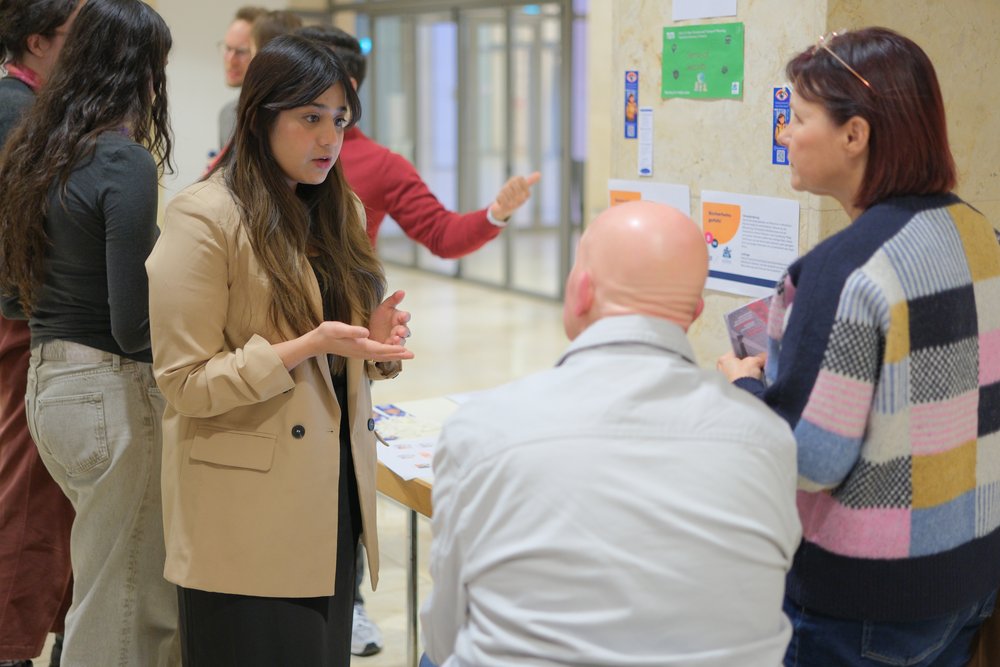
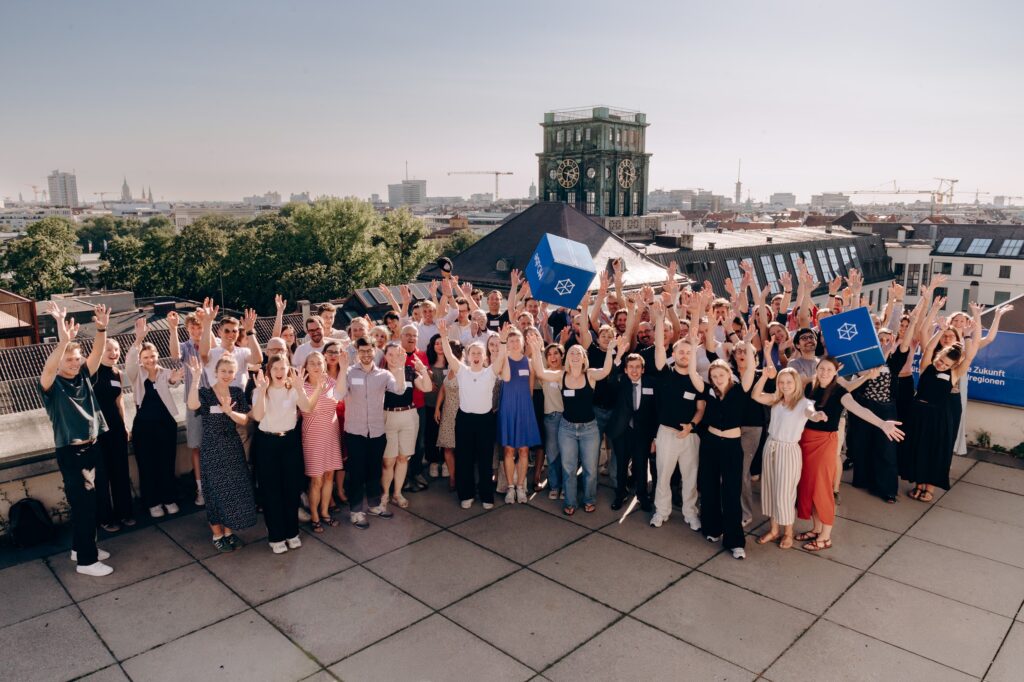
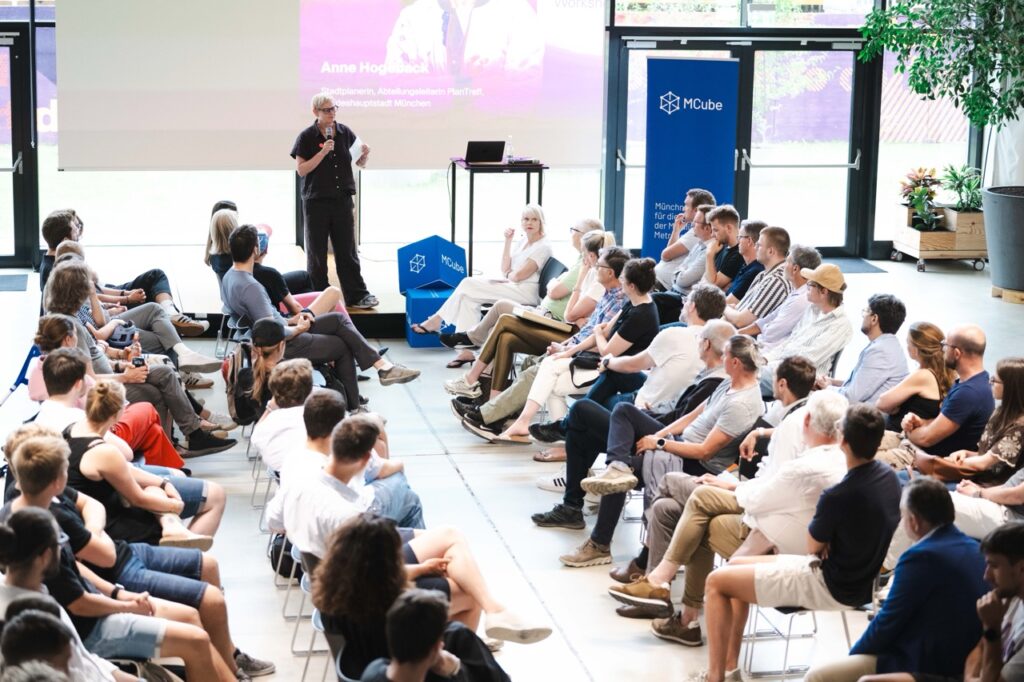
On March 9, 2023, around 120 participants at the LUISE cultural center about the topic "Feminist turnaround in mobility" - An evening full of exciting impulses, honest insights and intensive discussions. The event was organized as part of the MCube Speaker Series "Future of Mobility".
The event kicked off with three keynote speeches in which our speakers showed why mobility needs to be rethought from a feminist perspective. fairer, more inclusive, more suitable for everyday use.
- Lena Osswald (mobilivers) makes it clear that mobility behavior is strongly influenced by everyday life. People who do care work - such as looking after children or relatives - have completely different mobility needs than people who are only out and about for themselves.
- Katharina Horn (BUND Naturschutz in Munich) shows how the media has long portrayed women behind the wheel in a clichéd way. At the same time, she presents neighborhood concepts in which the safety of all age groups is the top priority - an important goal for feminist mobility.
- Franziska Meinherz (TUM) emphasizes the social dimension of mobility: the car is often seen as a status symbol - and at the same time, women in particular are more often dependent on it due to care work. Her conclusion: "With an intersectional-feminist view of mobility, we move from a mobility of the few for the few to a mobility of all for all."
Discussion with depth
In the subsequent audience discussion, the term "Feminist turnaround in mobility" at the center. Associations such as Gender neutrality, including planning and fair distribution of mobility resources showed how multifaceted the topic is - and how great the need for action is.
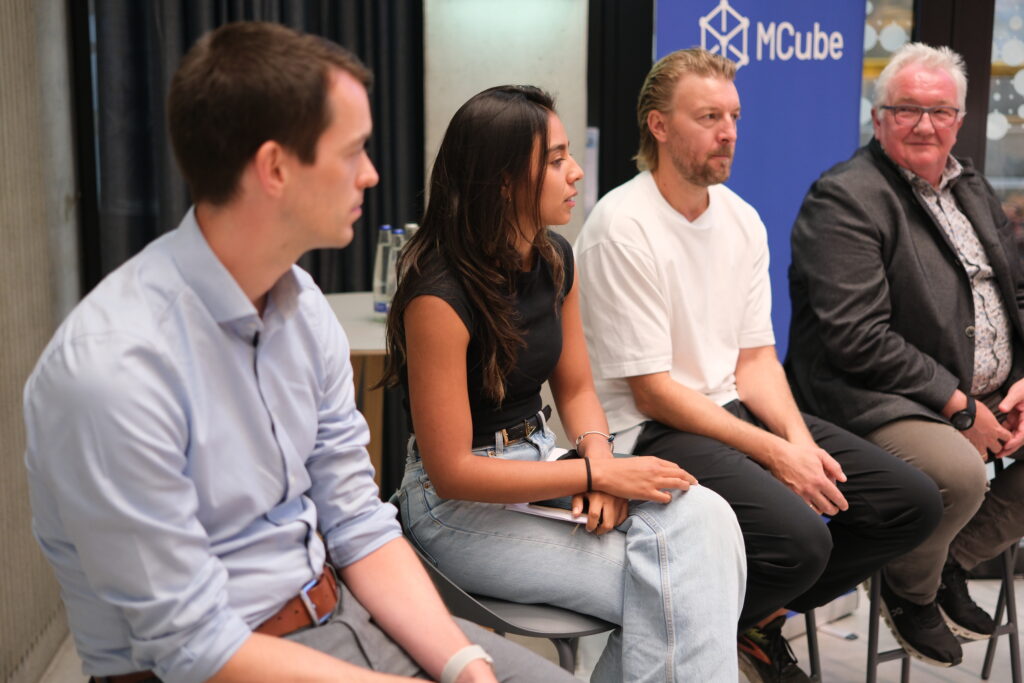
A big thank you goes to the Hans Sauer Foundation for the initiative, to moderator Suzan Çakar for her confident chairing of the discussion - and of course to our three great speakers for their perspectives and commitment.
"Future of Mobility" is a series of events organized by MCube - Munich Cluster for the Future of Mobility in Metropolitan Regions, in cooperation with the Technical University of Munich, TUM openLAB Urban Mobility and the Deutsches Museum Verkehrszentrum.