Transfer as the key to future viability
Germany is one of the world's leading research nations. However, the path from scientific discovery to concrete application is often long and rocky. Every year, tens of thousands of new technologies are created at German universities - but too few make the leap into the market or society.
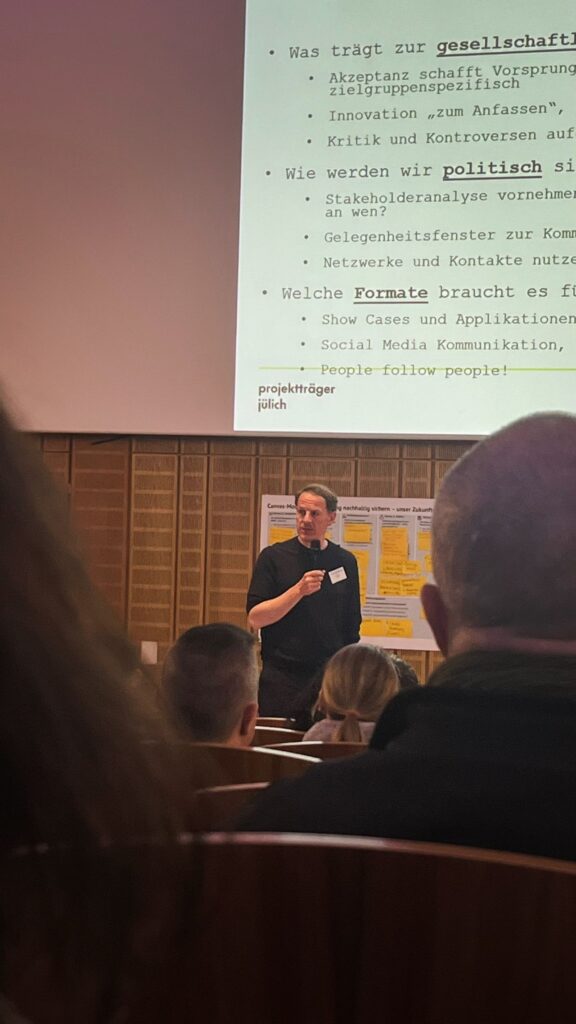
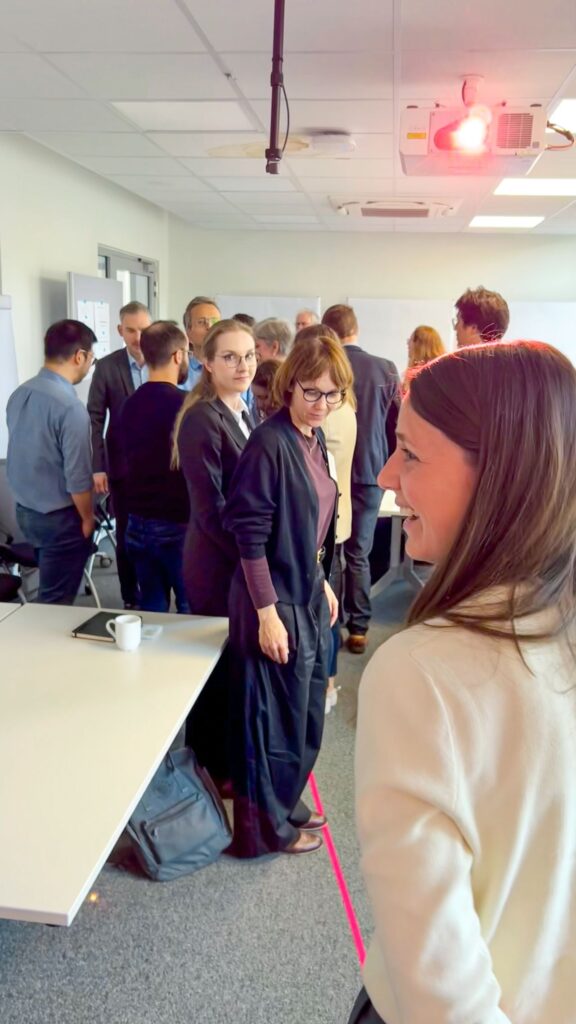
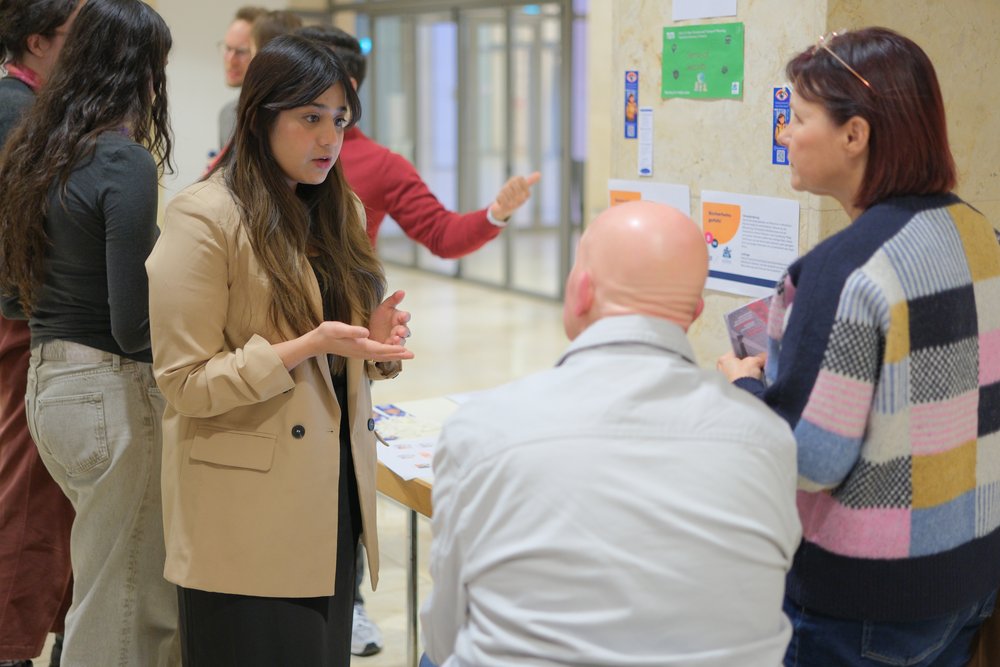
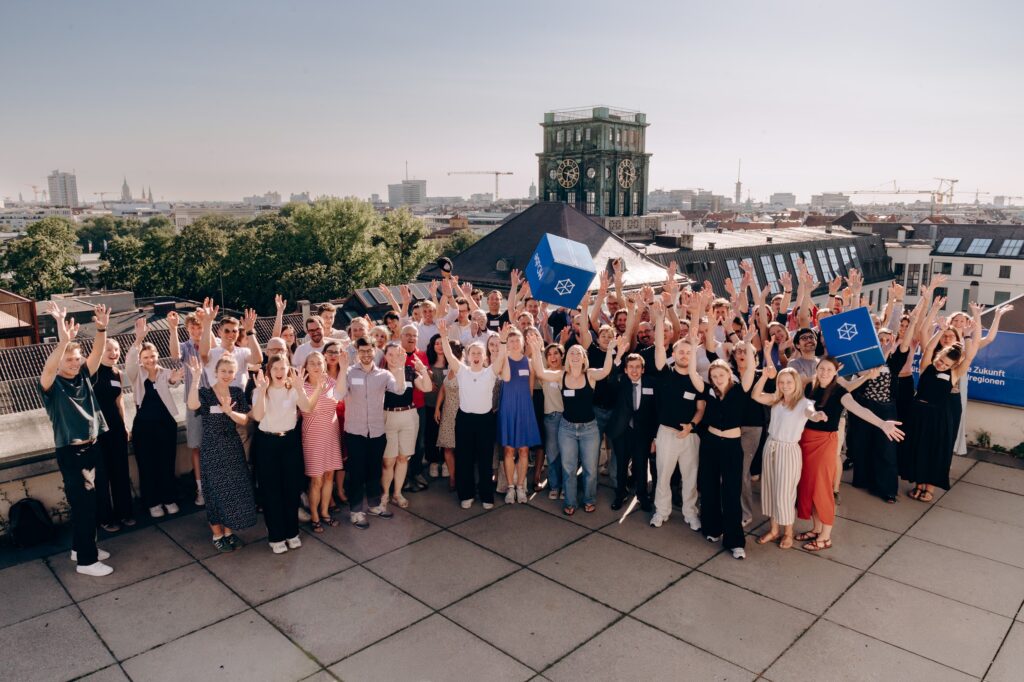
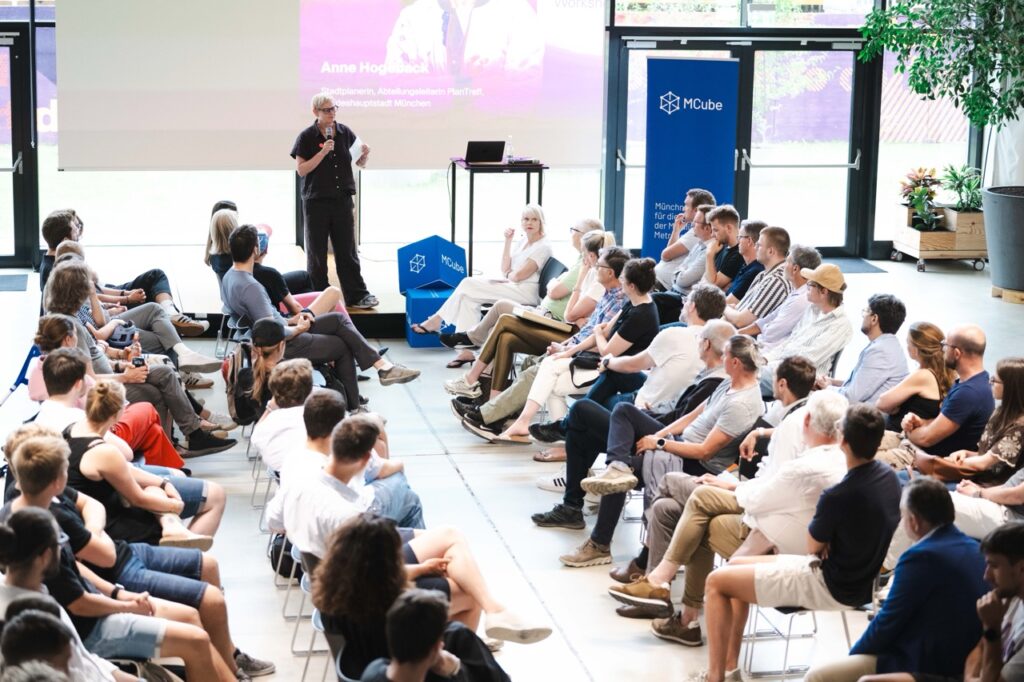
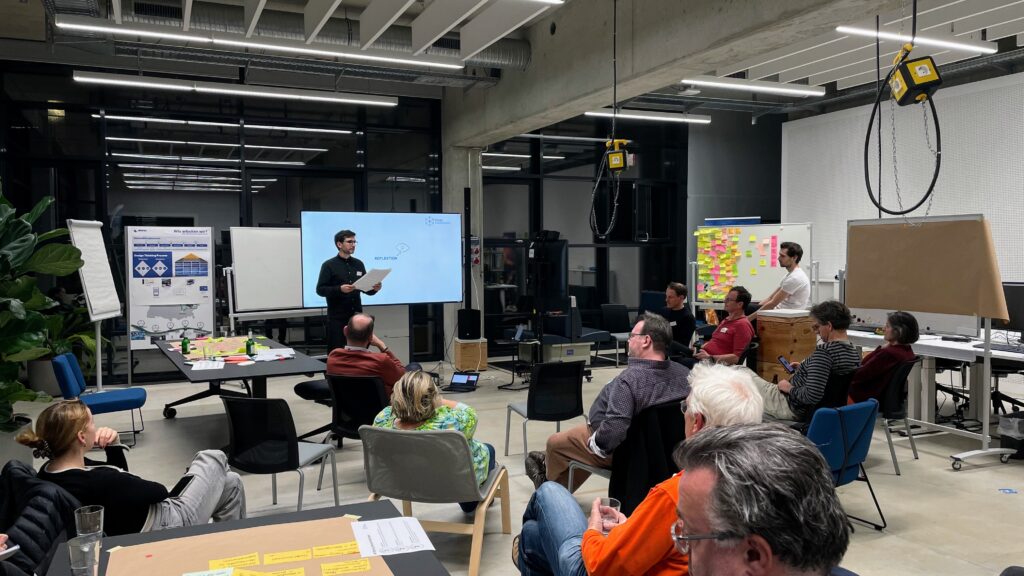
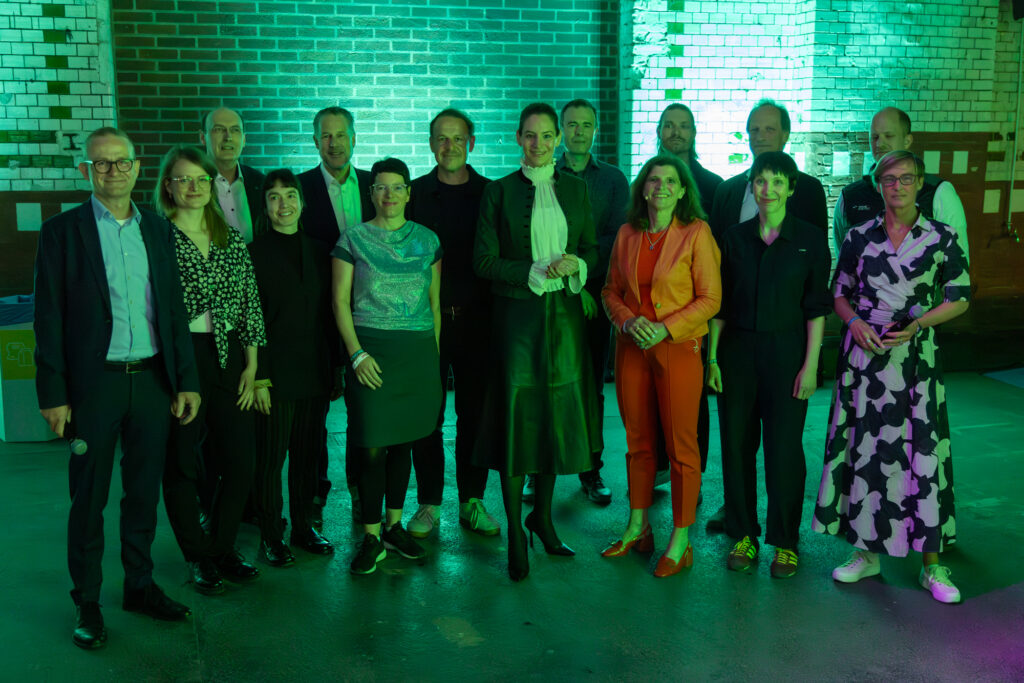
Last week, on May 7 and 8, 2025, over 100 experts from the future clusters, Leading-Edge Clusters and research campuses came together in Jülich to work on precisely this. The aim: to share successful transfer strategies, learn from each other and shape new paths together.
Exchange, insights and new alliances
The meeting was organized by Project Management Jülich (PtJ) and the Federal Ministry of Research, Technology and Space (BMFTR). The focus was on the central question:
How do we scale up the transfer from research to application by a factor of 10?
The range of topics was as broad as it was forward-looking:
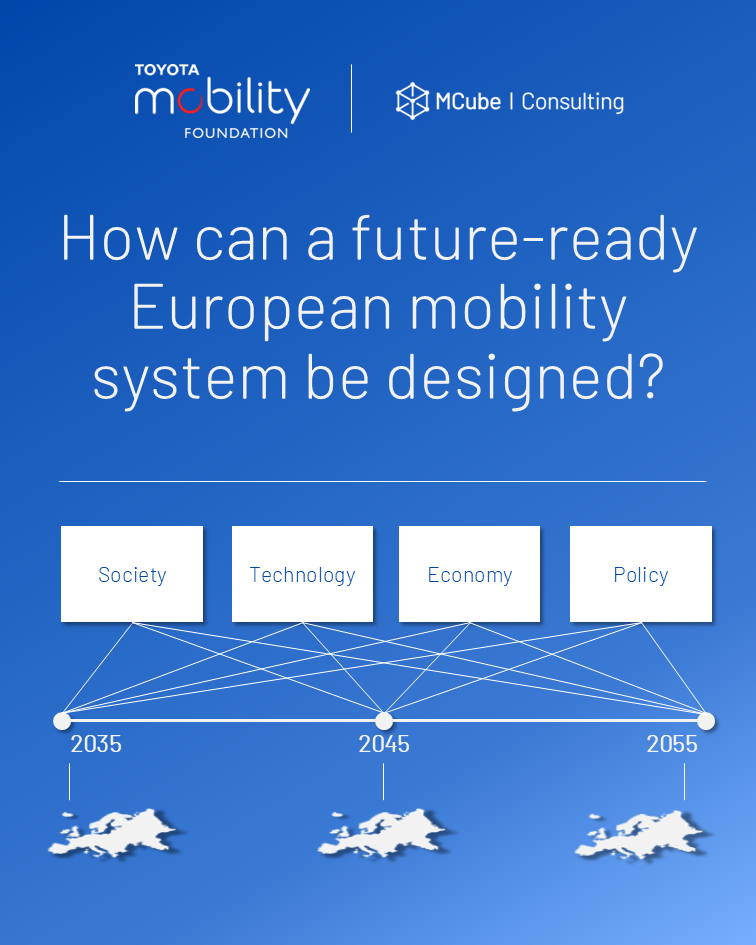
From neuromorphic hardware to personalized gene therapies, quantum computing, marine research and hydrogen technologies through to sustainable mobility - as we are driving forward in the MCube cluster.
MCube as a driving force for sustainable mobility
MCube - the Munich Cluster for the Future of Mobility in Metropolitan Regions - was also represented with strong contributions. Carolin Zimmer, Yulika Zebuhr and Oliver May-Beckmann contributed perspectives on governance, impact and visibility to the political discourse.
Close cooperation between politics, administration, science and business is essential, especially when it comes to complex future issues such as sustainable mobility. The transfer can only succeed if we create structures that have a long-term effect. It is therefore all the more gratifying that the BMBF has invited MCube to report on successful exchange formats and their impact - a strong signal of the relevance of well-structured dialog processes.
Joint mission: strengthening Germany's innovative power
One key outcome of the meeting was that the German innovation clusters will work even more closely together in future. Because despite all the thematic differences, we are united by a common task:
Making Germany fit for the future.
- We share knowledge.
- We join forces.
- We are shaping the future of innovation in Germany.
Thank you very much!
Many thanks to the entire team at Project Management Jülich and the Federal Ministry of Research, Technology and Space for the excellent organization. And a big thank you to all participants for the open, inspiring and constructive exchange.
Only if we are prepared to share experiences - whether success or failure - can we improve together.
Participating clusters (selection):
MCube | NeuroSys | Ocean Technology Campus Rostock | PROXIDRUGS | QSens | SaxoCell | SupplHyInno | CNATM | curATime | ETOS | nanodiag BW | QVLS | SEMECO | ThWIC | bioRN | Energy2Grid and many more.