MCube Summer Kick-off & Panel Discussion (May 22)

Summer Kick-off

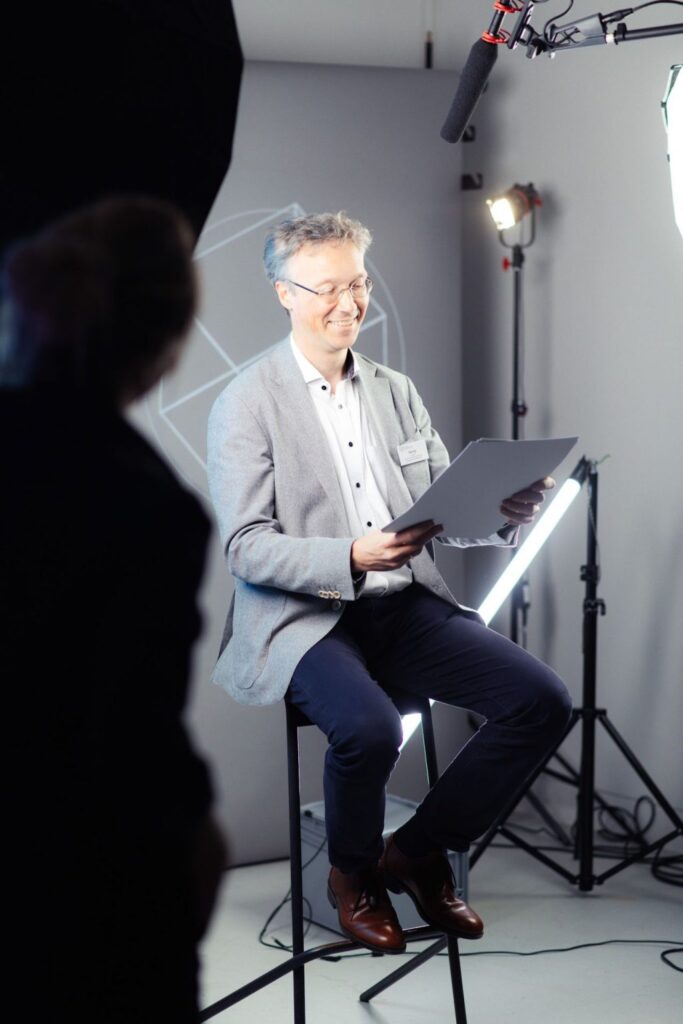
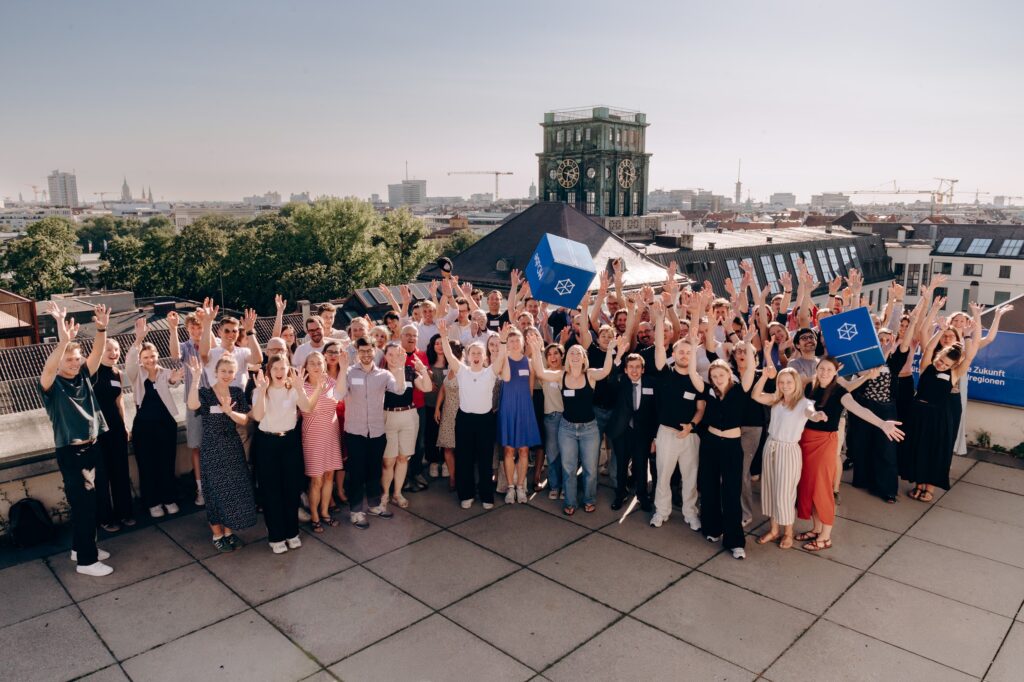
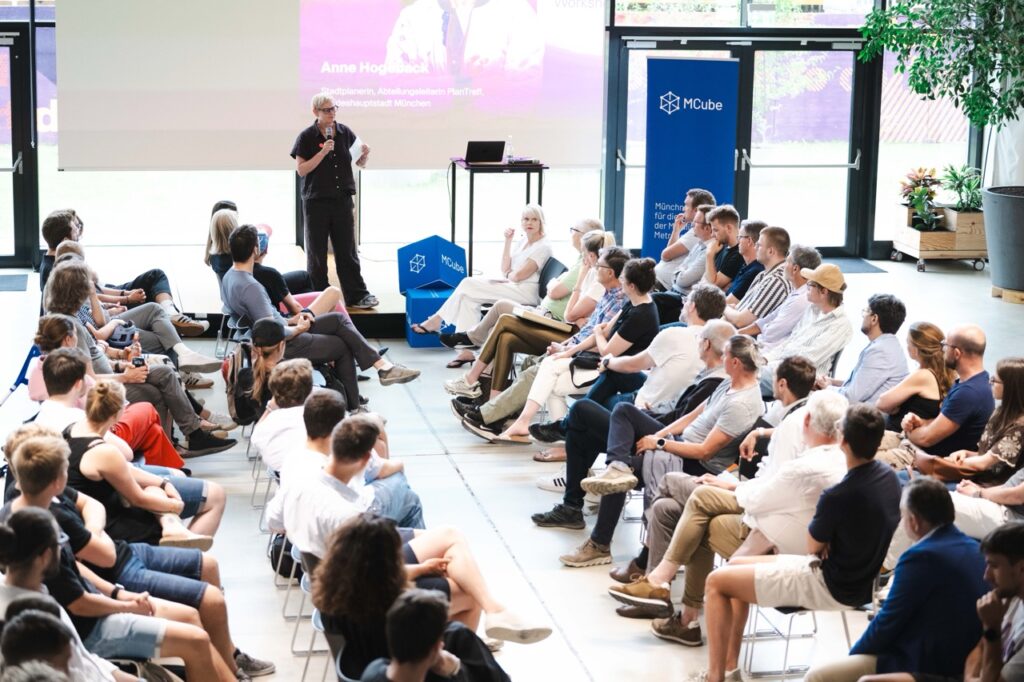
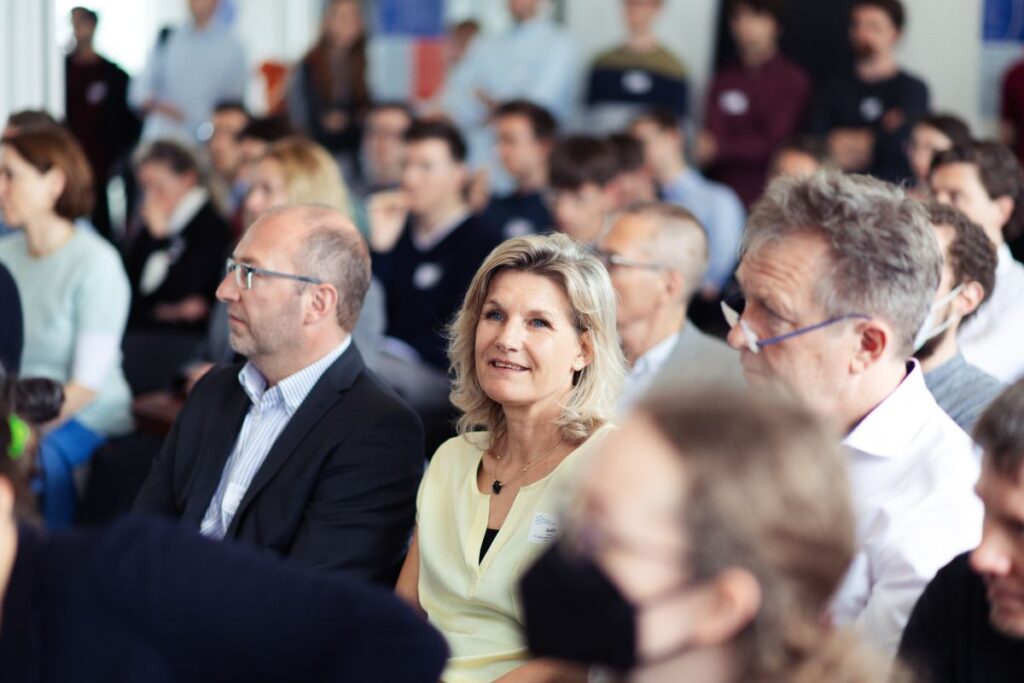
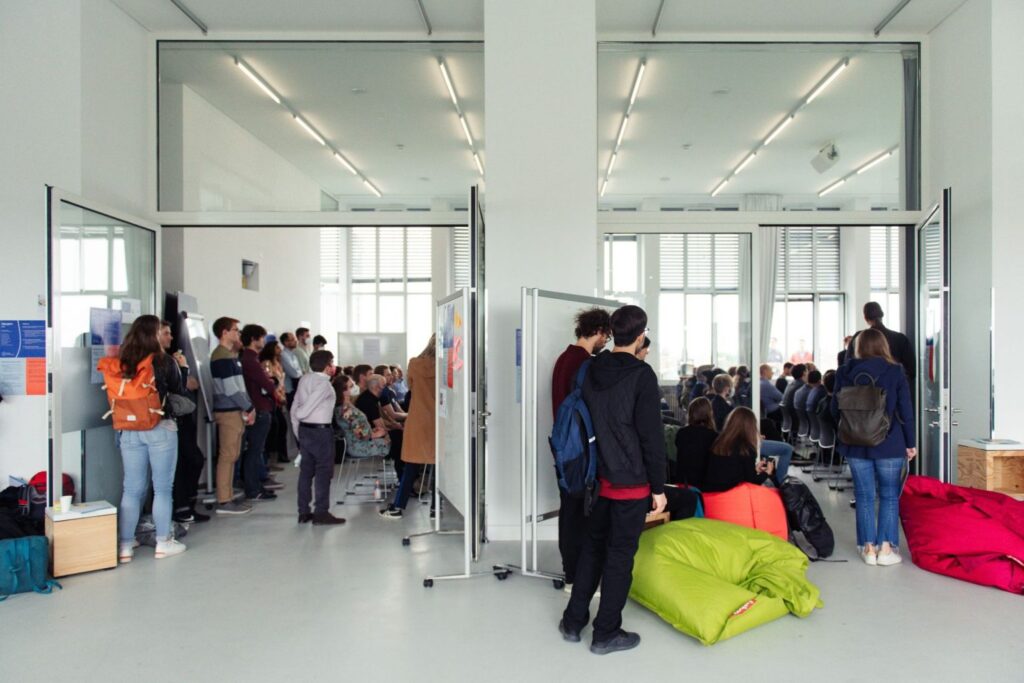
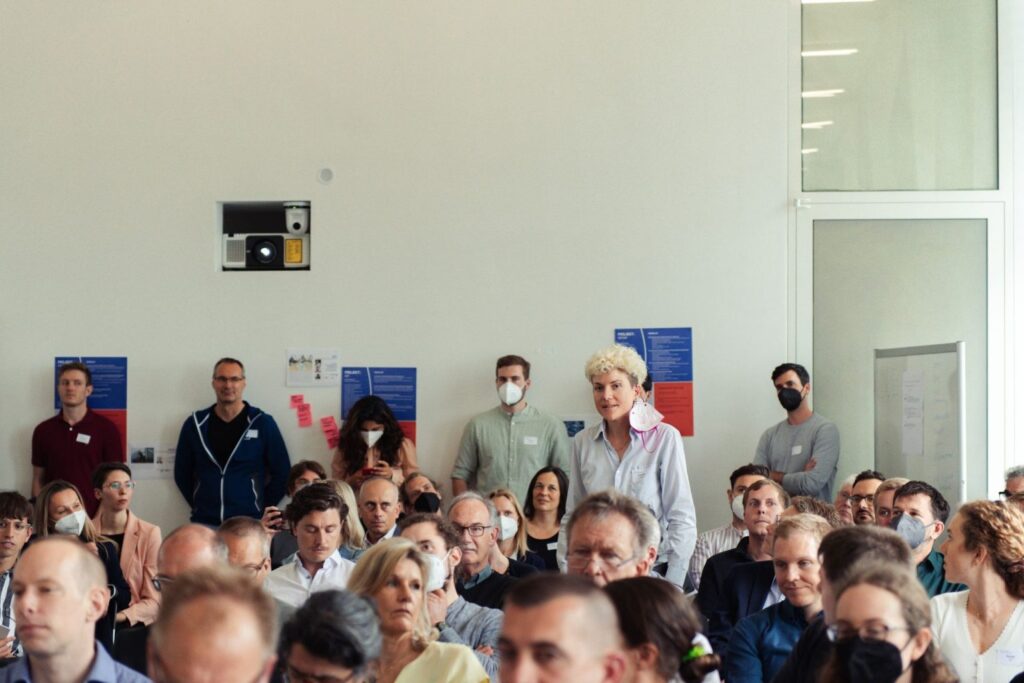
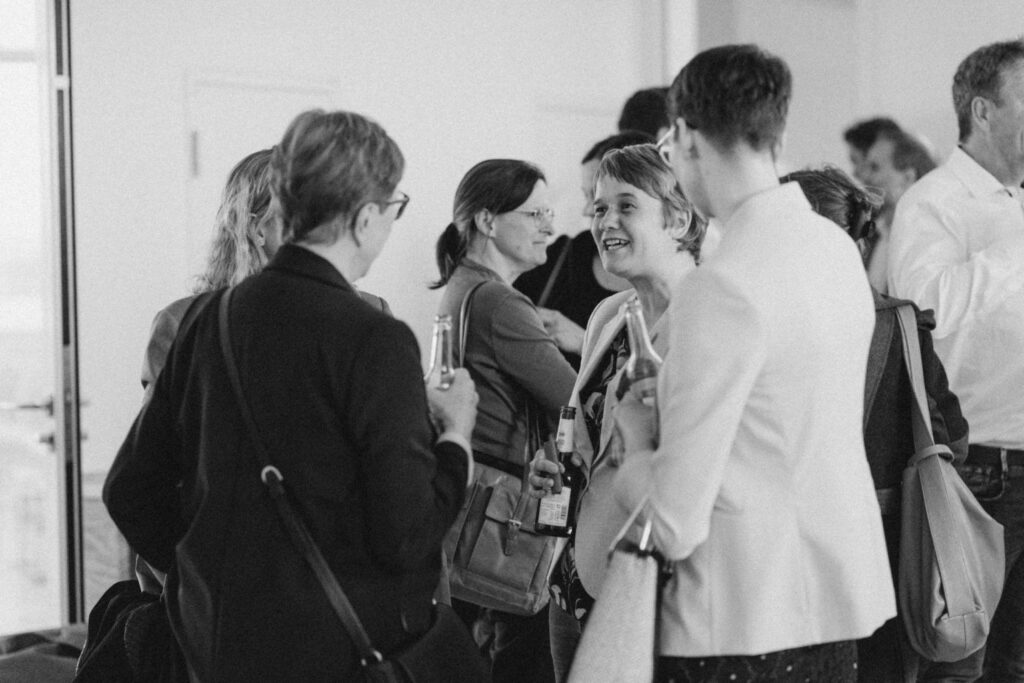
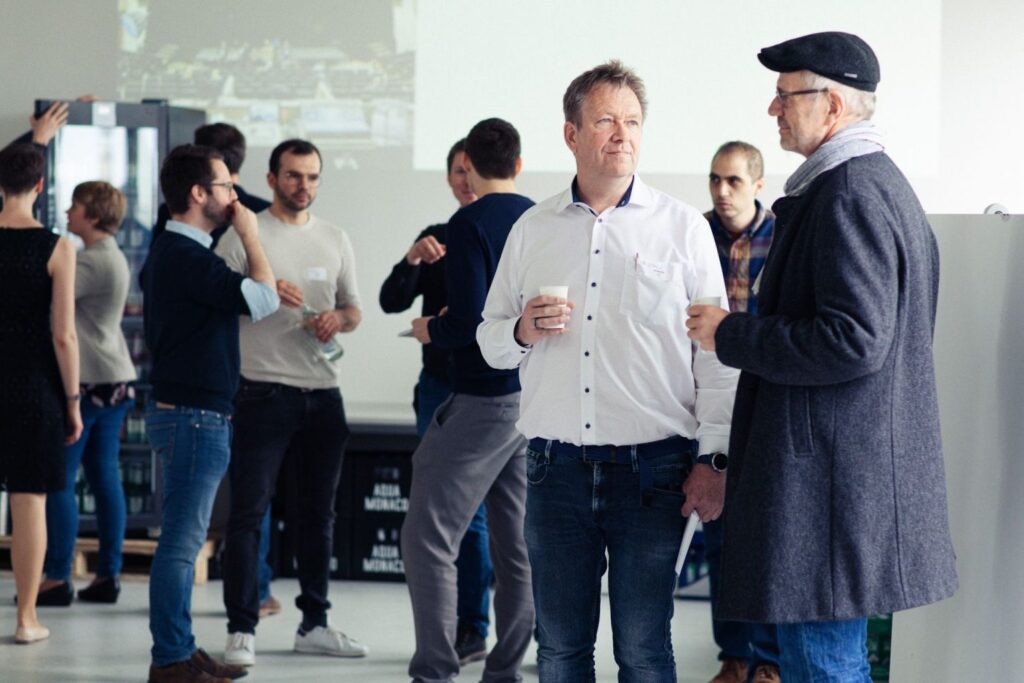
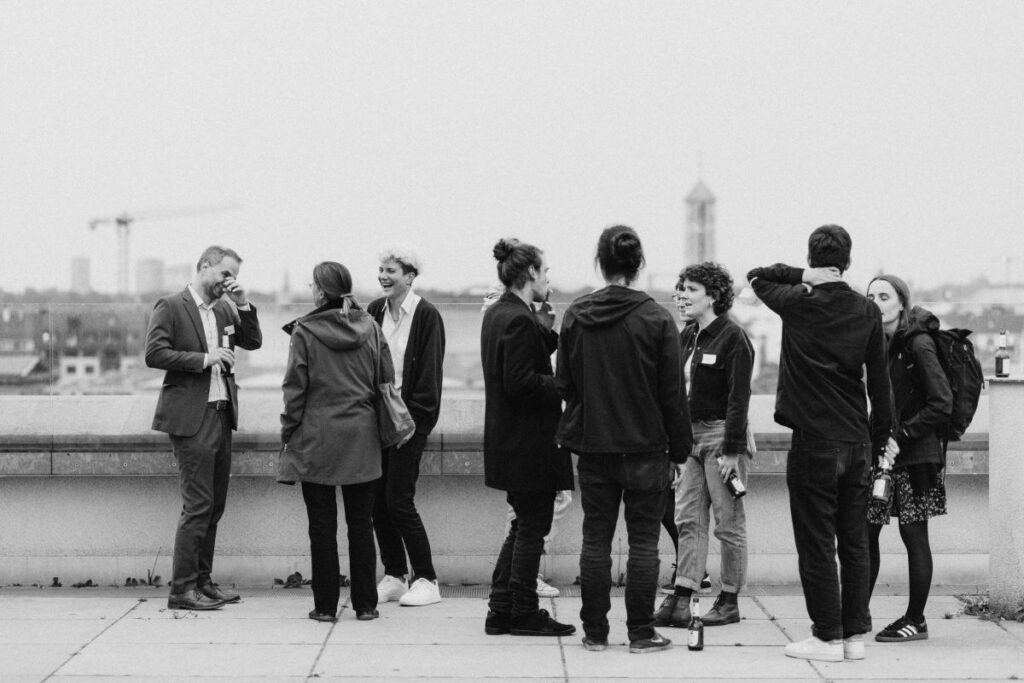
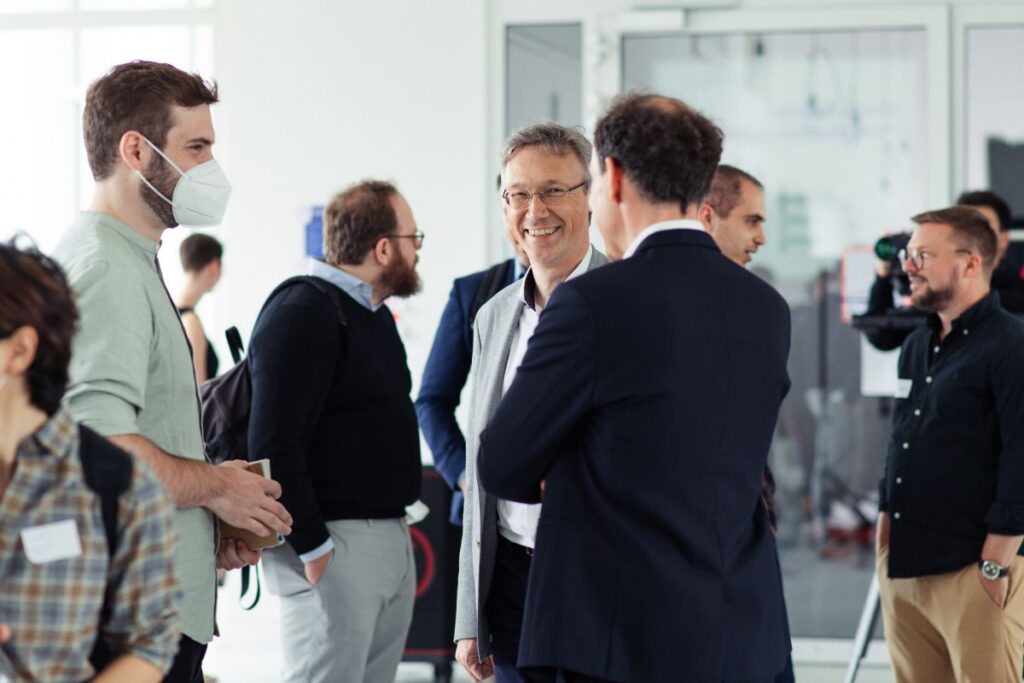
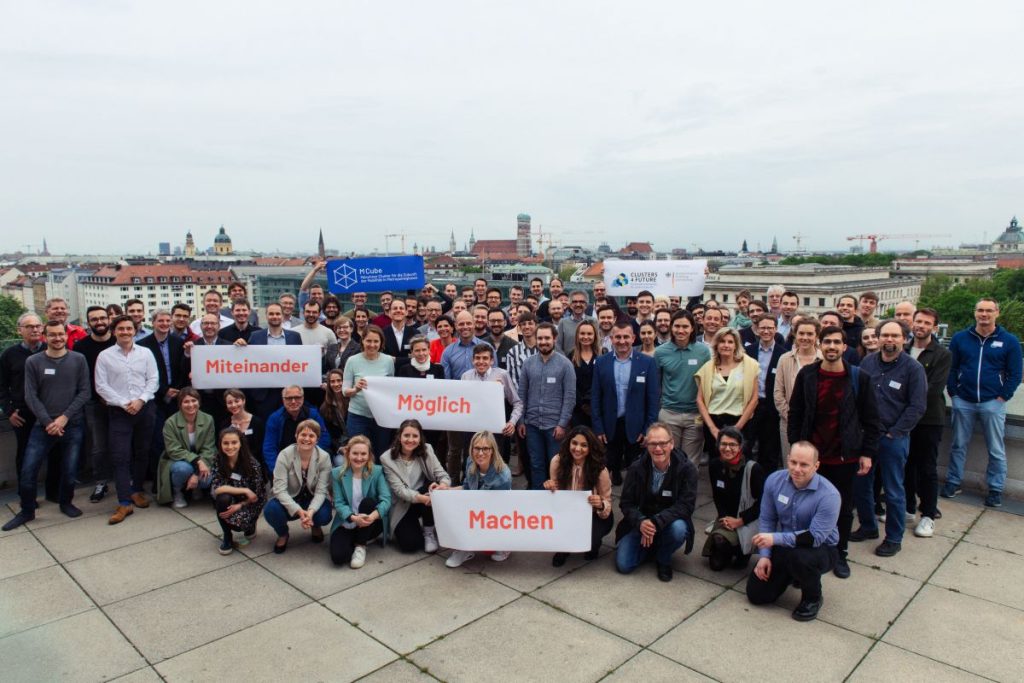
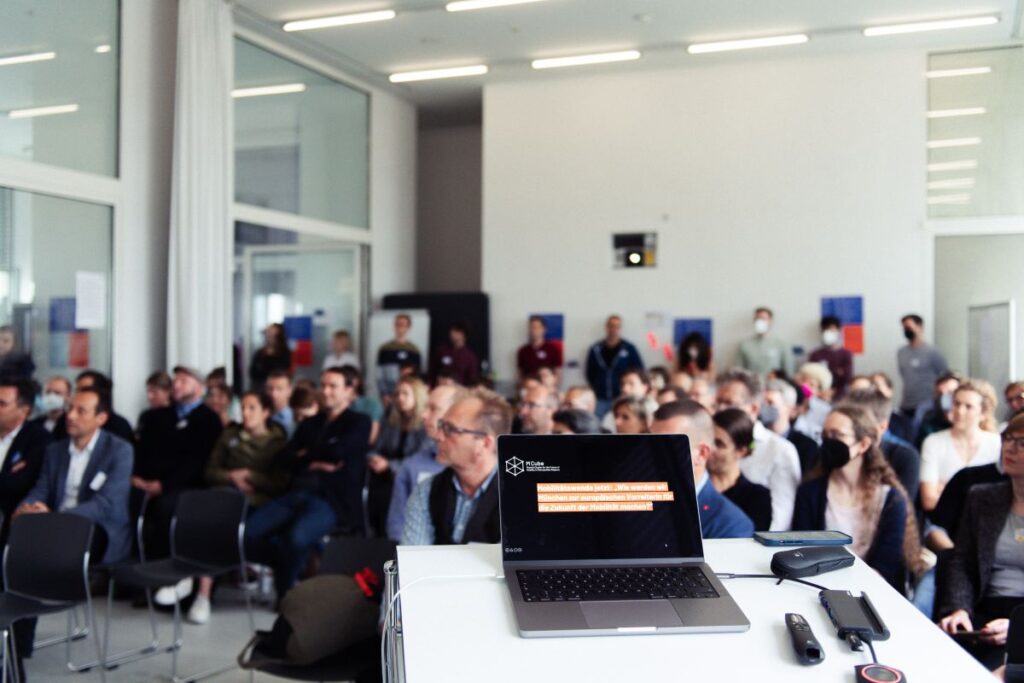
On May 5 and 6, 2022, the time had finally come - the MCube Cluster was able to meet with all employees and partners for the first time in presence above the rooftops of Munich in the beautiful Vorhoelzer Forum of the TUM. We were able to work together on our vision, network the many sub-projects, discuss controversial issues, learn, laugh and celebrate!
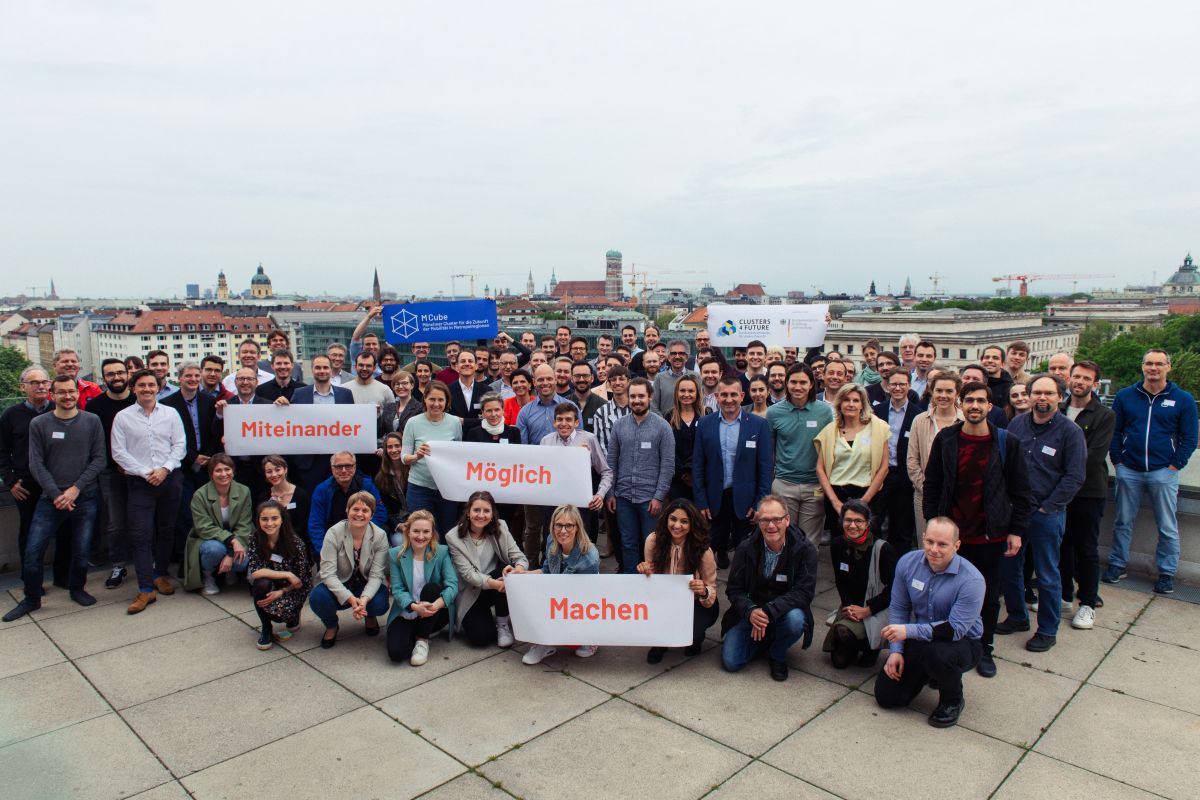
According to our guiding principles "together - make it possible" on May 5 and 6, 2022, more than 100 project employees from all partners worked together to further develop the cluster in workshops and discussions. Among other things, we focused on the vision, internal communication and preparations for the 2nd implementation phase and discussed our three integration projects DatSim, ReMGo and SUE were able to work with the participants to find out how they can drive forward the mobility transition in Munich, the region and beyond. Together, we started to think about the next funding phase and asked ourselves: What topics are we still missing? What other partners do we need to become a truly pioneering region for transformative mobility developments?

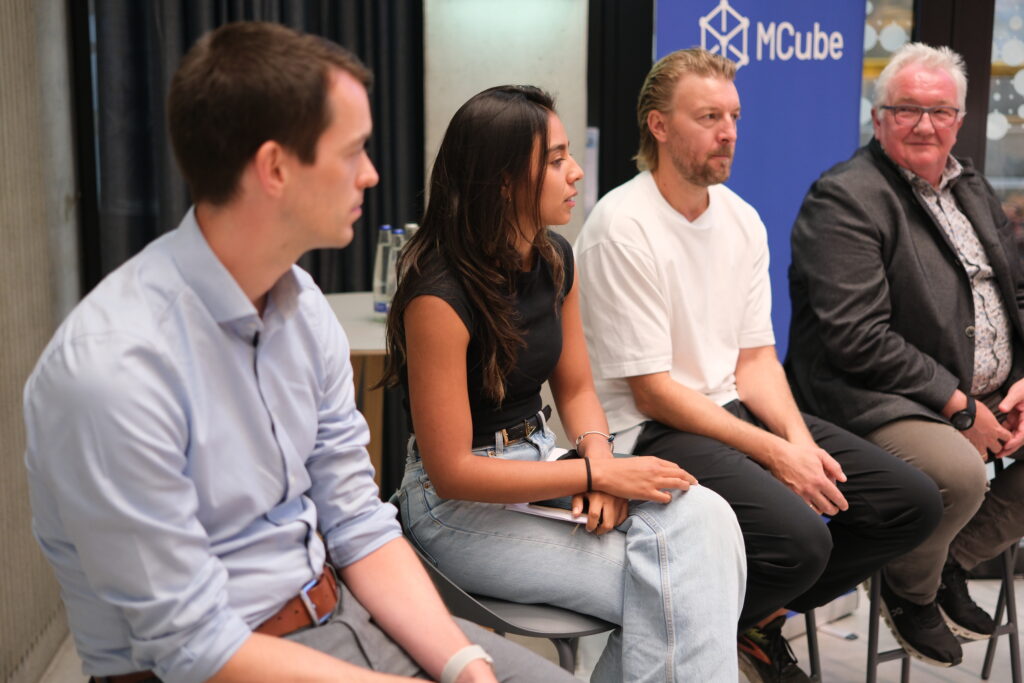
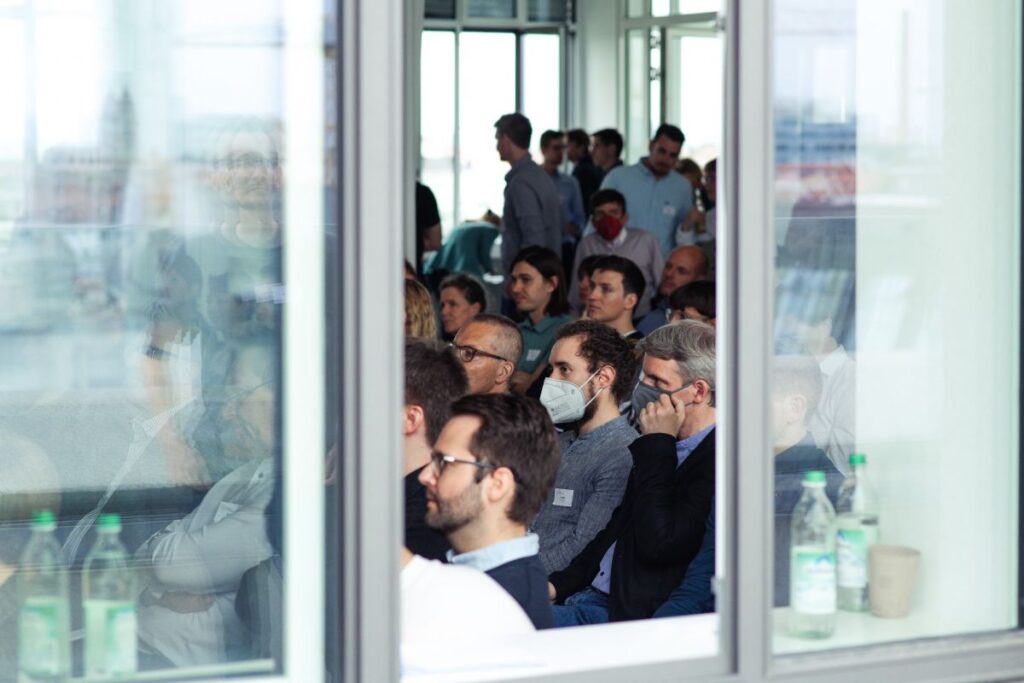
Impulses and panel discussion

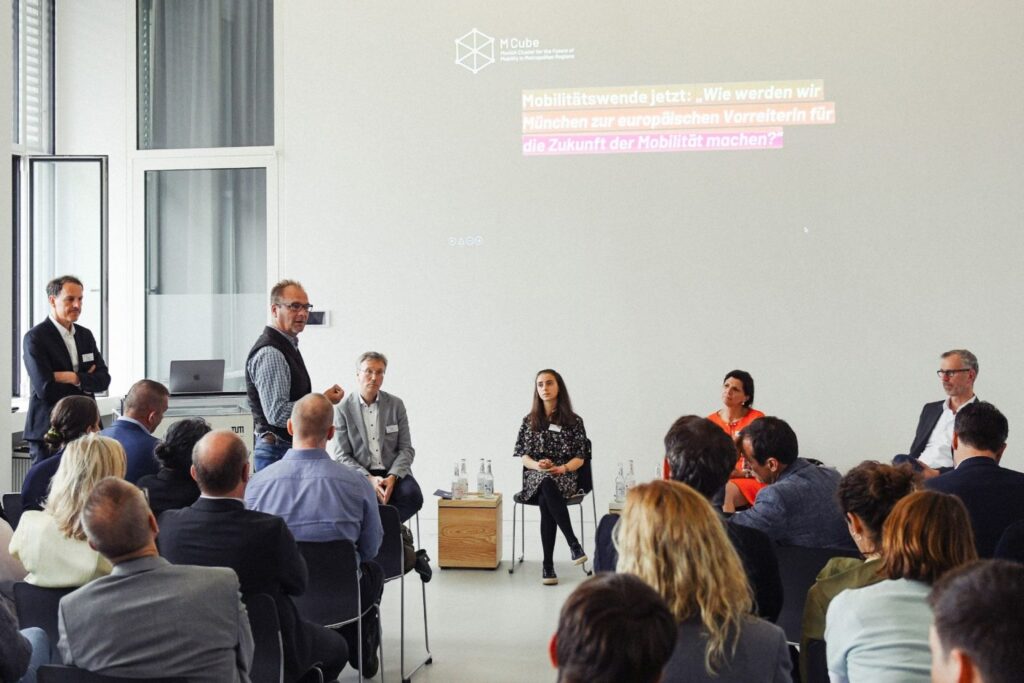
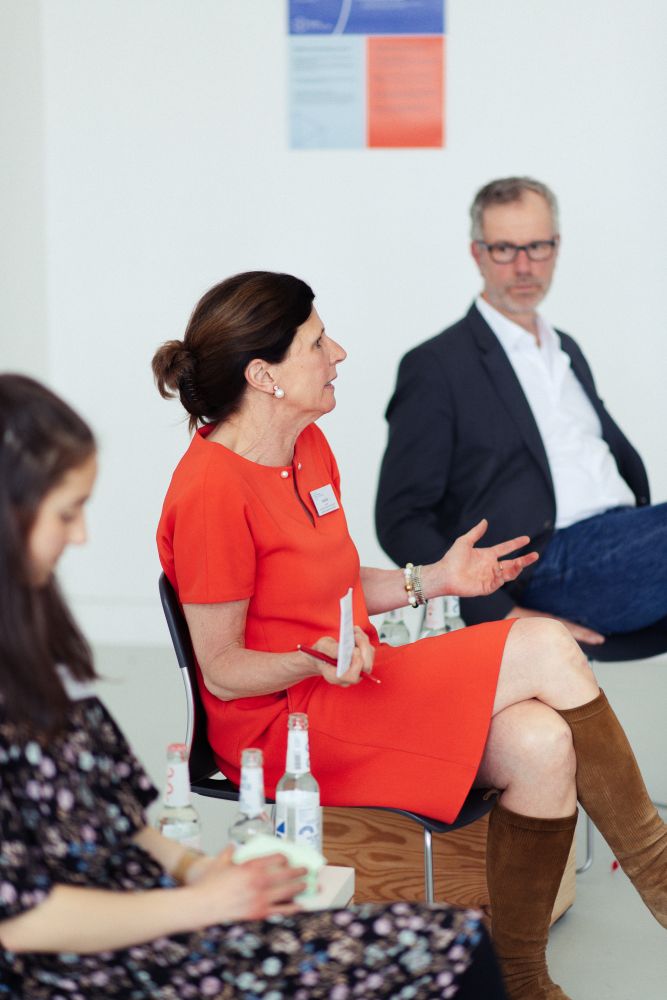
And we were able to take away exciting inspiration from a joint panel discussion with various thought leaders from the region:  

  • Jeanne Rubner, Vice President of the Technical University of Munichhas encouraged us to leave old communication patterns between science and citizens behind us: Away from "We know, you don't!" towards "What's on your mind? What role can science play in solving problems? How do we enter into dialog?"
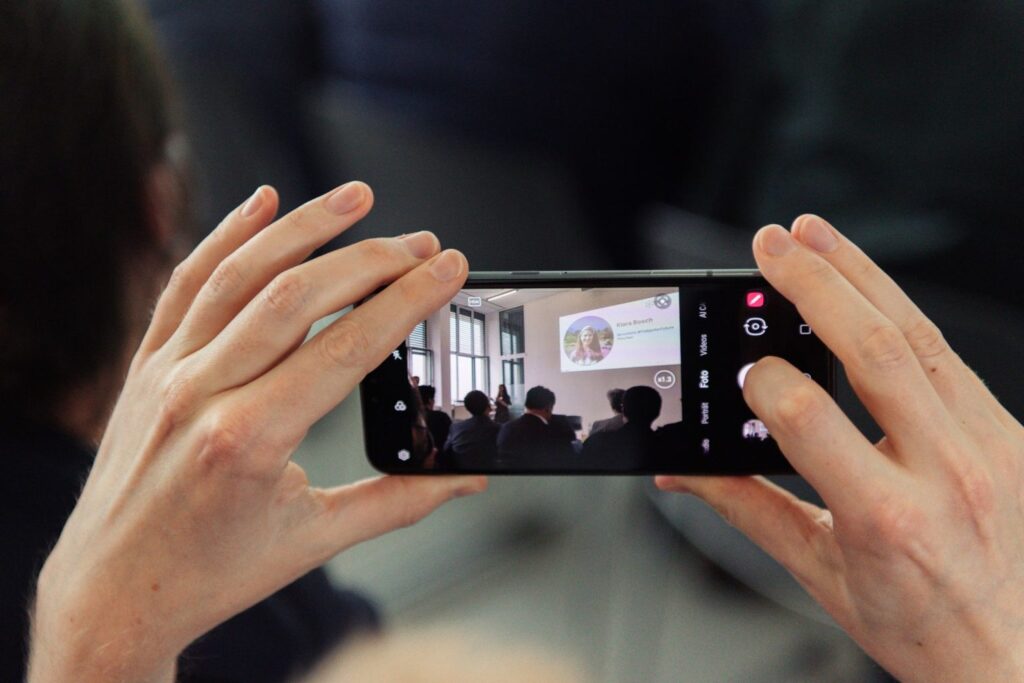
  • Klara Bosch, Fridays for Future Germany Munich speaker, impressively demonstrated to everyone how urgent time is for the mobility transition. Even a 9-year innovation cluster risks failing to innovate around the climate problem if we do not act quickly and concertedly.
  • Georg Dunkel, Head of the Mobility Department City of Munichhas called on all MCube projects to experiment boldly and creatively, to go into city districts and simply try out more. The city is both a living space and a space for innovation and, with its mobility strategy, an important driver for MCube's ambitions.
  • Carl Friedrich Eckhardt, Head of the Competence Center Urban Mobility BMW Group, has made the point that we have understood many problems and solutions well for years and yet we still fail to implement them. New forms of collaboration and political courage are needed to implement solutions more quickly and in a more targeted manner.

We would like to thank all those present for an inspiring summer kick-off - there is a lot to do!
copyright© V. Zayika

The lessons learned from the first MCube funding phase show which factors really drive projects forward - and where typical barriers arise.

Creating transparency, proving impact, sharpening strategies - the new indicator guide supports precisely this.

For the first time in this format, students made their way to three European cities. They went to Stockholm, Tallinn/Helsinki and Barcelona.

This time, mobility in the cities of Ljubljana, Genoa and Utrecht was examined.

How can mobility data and simulations make cities more liveable - and change visible and tangible?

What do Brussels, Lisbon, Milan and Paris have in common?

Where to put cars, bicycles and e-scooters - and how do we organize parking space fairly, efficiently and sustainably?

The Mobi-Score - The hidden costs of mobility at a glance

Resilient change towards sustainable mobility - lessons for a transformative urban mobility policy

Experimenting for the mobility transition - impetus for municipalities to dealing with real-world laboratories

Easy language

What is MOSAIQ?
Imagine something: There is more space for people. The streets have more trees and plants. Everyone can get around better. That's how your Schwabing-West district could be in the future. How would you like your district to be? We want to talk to you about it!

The project is called MOSAIQ. MOSAIQ is a research∙project. MOSAIQ means: Mobility and urban climate in the future city∙part. The Technical University of Munich is leading the project.

What is MOSAIQ about?
MOSAIQ wants to make the streets in the city∙part more beautiful. People should feel comfortable there. There should be more space. For meetings and plants, for example. You can help decide what is tried out in the Stadt∙teil. The ideas come from you. Some ideas will be tried out on the streets for a certain period of time.
The aim of MOSAIQ is to make urban districts good places to live.
At the same time, the climate in the city should improve. And people should be able to move around the city easily. 

What is happening in the district?

  • In the year 2025:
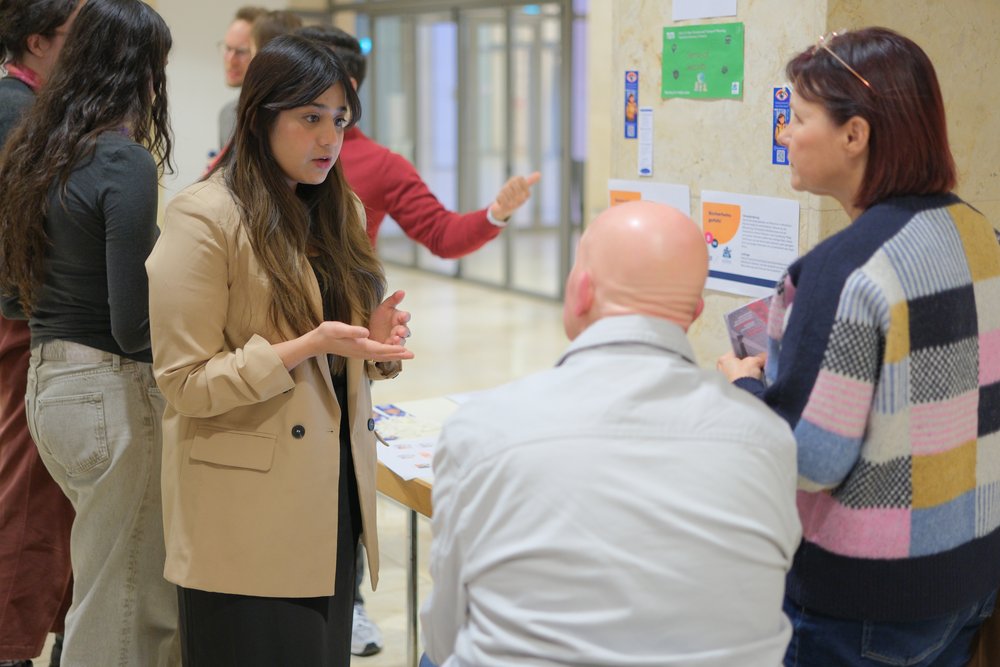
    The people in the district can participate. They can express their ideas. There are discussions, surveys and meetings. Researchers are also starting their work.
  • In the year 2026:
    Some ideas are tried out.
    They are moved around the streets for a certain period of time.
  • In the year 2027:
    The results are evaluated.
    Consideration is given to how things can continue∙.