In these times of groundbreaking technological developments, from artificial intelligence to innovations in mobility such as autonomous driving and sharing services, the discourse often focuses too one-sidedly on technical aspects and neglects the possibility of shaping these innovations in a socially just way from the outset. This raises the central question: How can we develop technologies that take social impacts into account from the outset?
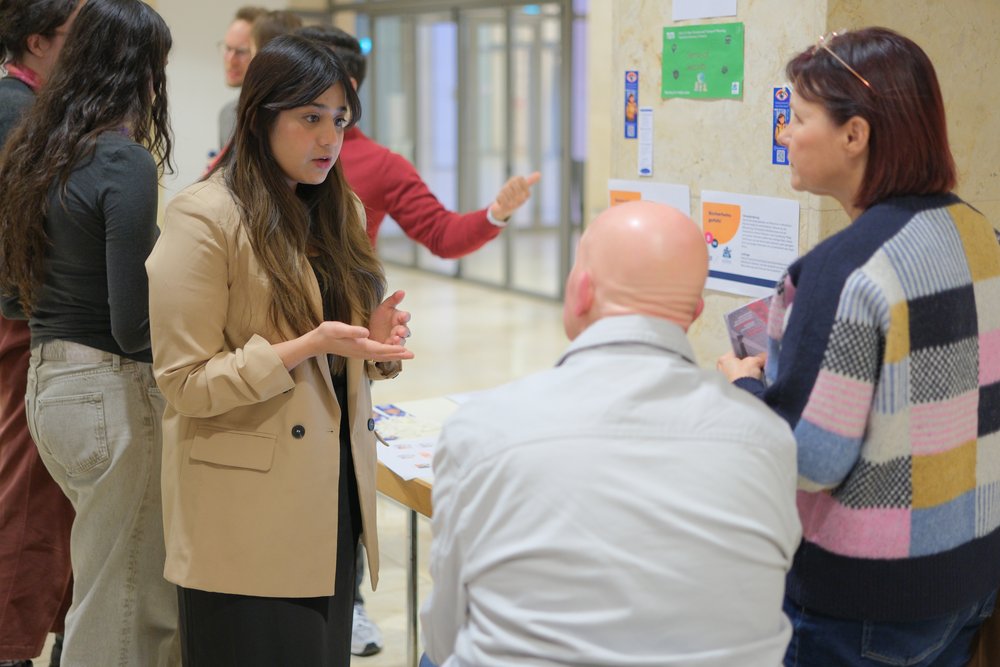
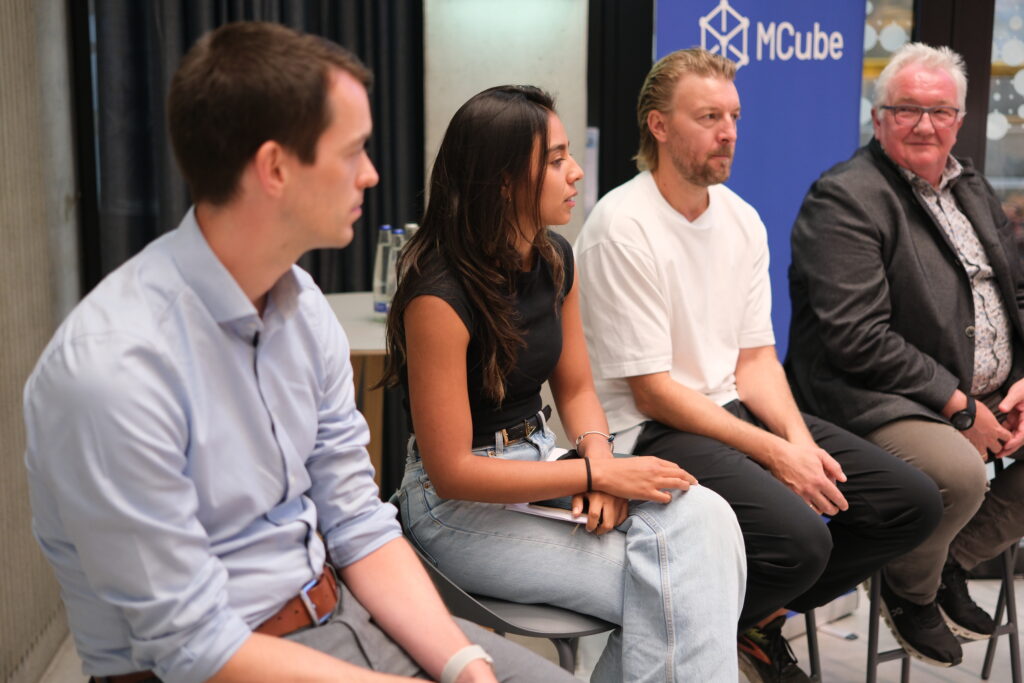
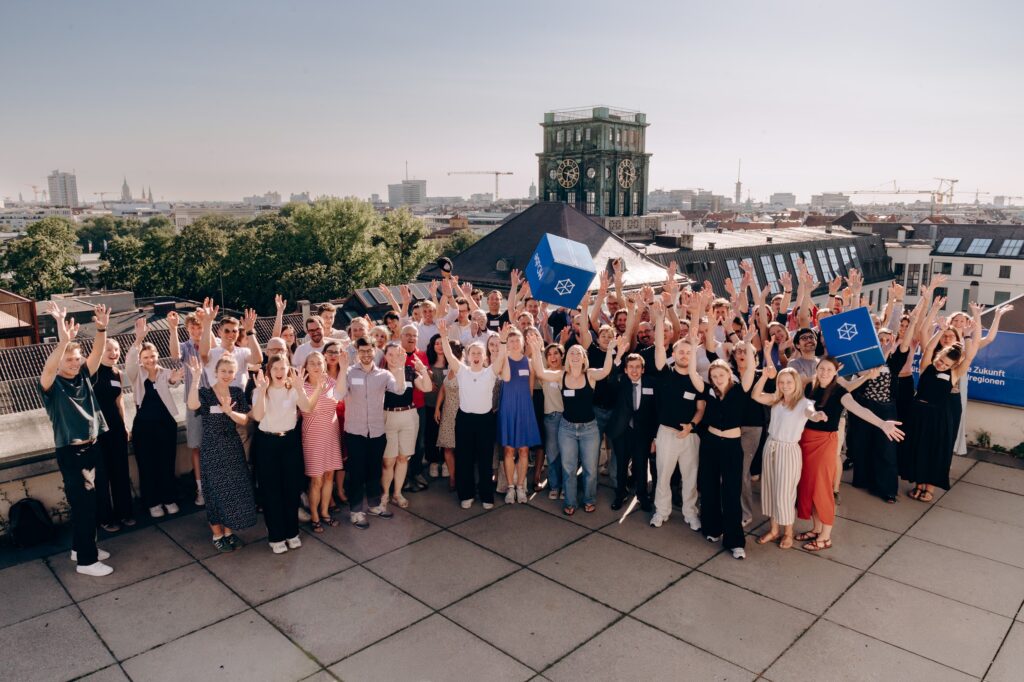
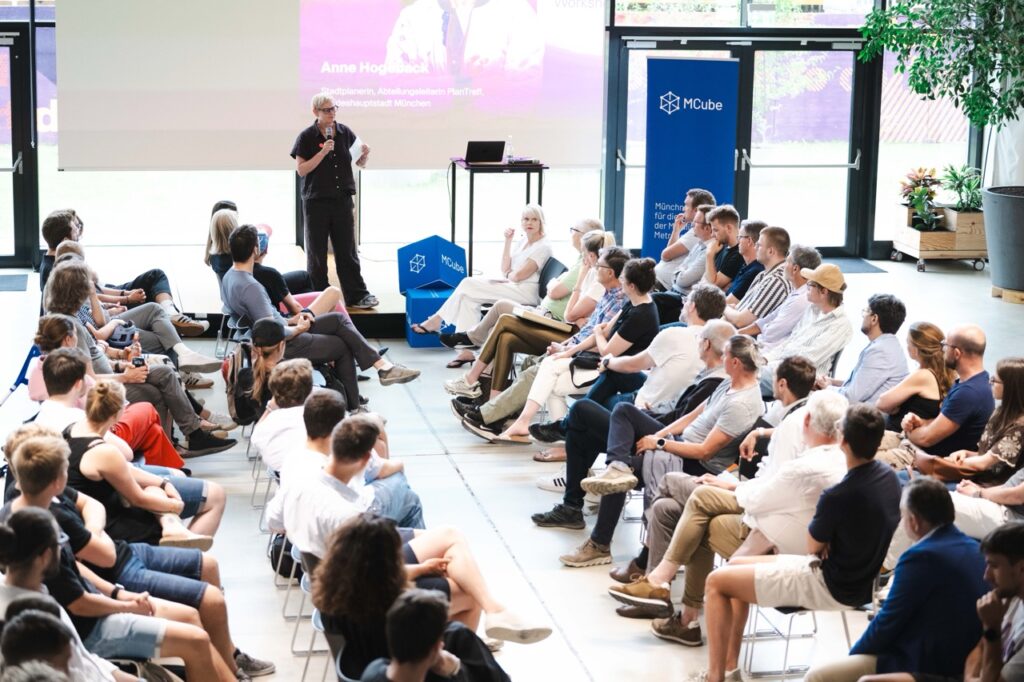
This topic was the focus of the MCube Speaker Series "Future of Mobility" on February 22, 2024 at the Deutsches Museum Verkehrszentrum with almost 100 guests interested in mobility: "Mobility (in)justice - Why mobility must not only be designed technically in the future.
The brand new MCube mobility (in)equity atlas was presented here for the first time. Find out more about this innovation tool and the highlights of the evening here:
Dr. Ines Kawgan-Kagan: Gender equality must not be a marginal issue!
Dr. Ines Kawgan-Kagan - Senior Mobility & Gender Expert from the AEM Institute in Berlin emphasized the need to integrate the female perspective into mobility planning, which is traditionally based on the mobility pattern of the full-time working man. This model neglects the complex and multi-layered mobility needs of women, who not only often work part-time, but also bear the main burden of care work. This double burden leads to a network of diverse routes and destinations that is not taken into account in current mobility planning.
In addition, she made it clear that women's financial capabilities, their patterns of transportation use and specific safety needs differ from current planning assumptions. This discrepancy underlines the urgent need to design mobility services in a gender-equitable way by including other factors beyond gender, such as age, marital status, income and place of residence, in order to ensure comprehensive inclusion - a point that was also emphasized by Oswald Utz, the representative for people with disabilities of the City of Munich, in his contribution to the discussion.
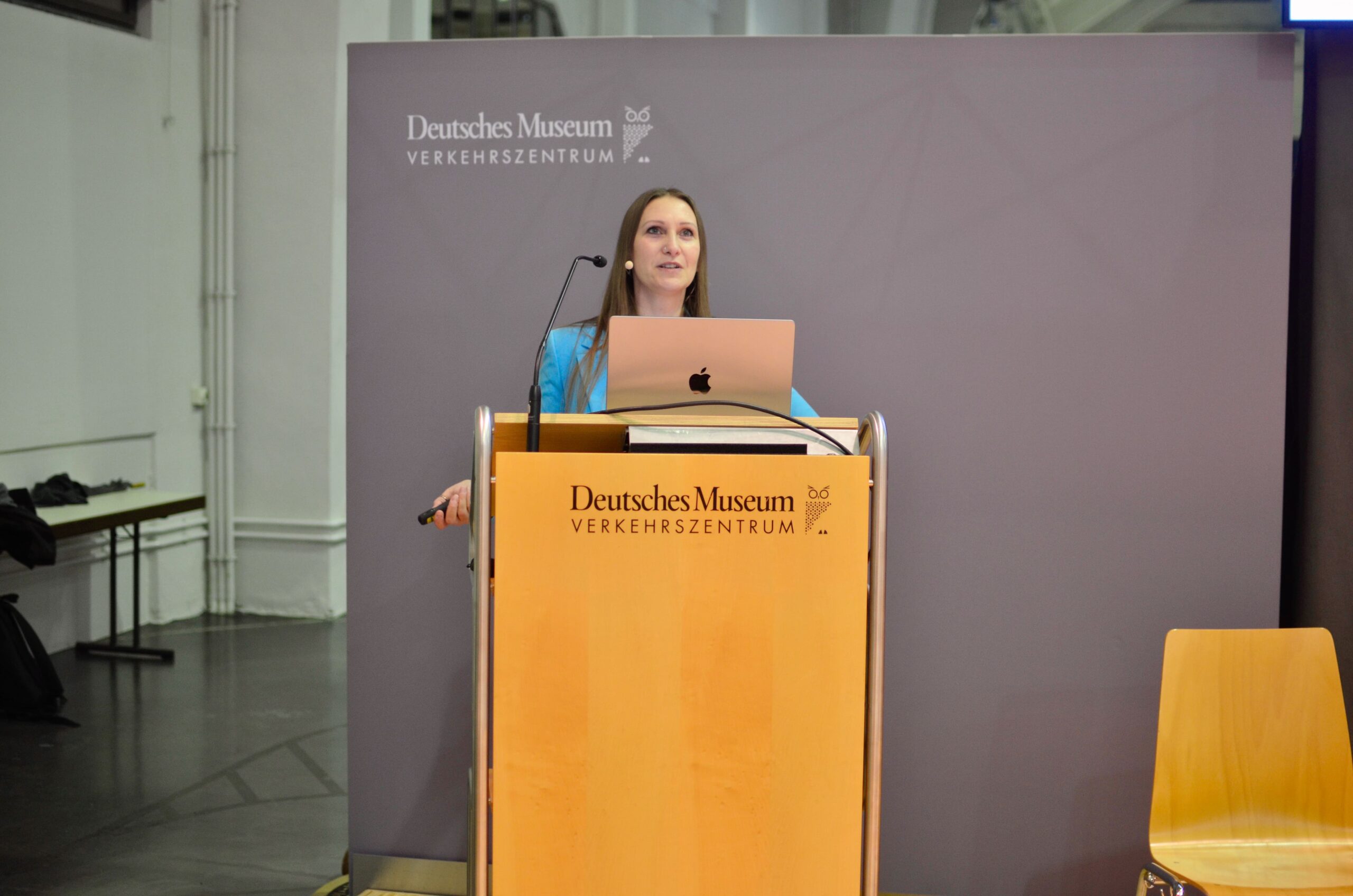
Oswald Utz - Inclusion in public spaces
"How many of you have friends with disabilities?" With this introductory question, Oswald Utz, Disability Commissioner of the City of Munich, illustrated why this group is often forgotten in planning. By sharing his personal experiences, Utz illustrated how mobility planning often ignores the specific needs of people with disabilities. He made an urgent plea for a more inclusive design of public transportation and infrastructure to improve accessibility for all. Utz explained that taking into account the needs of people with disabilities can have far-reaching positive effects that also benefit other population groups. As an example, he cited longer stops on the subway, which not only make life easier for people with disabilities, but also for older people or parents with baby carriages.
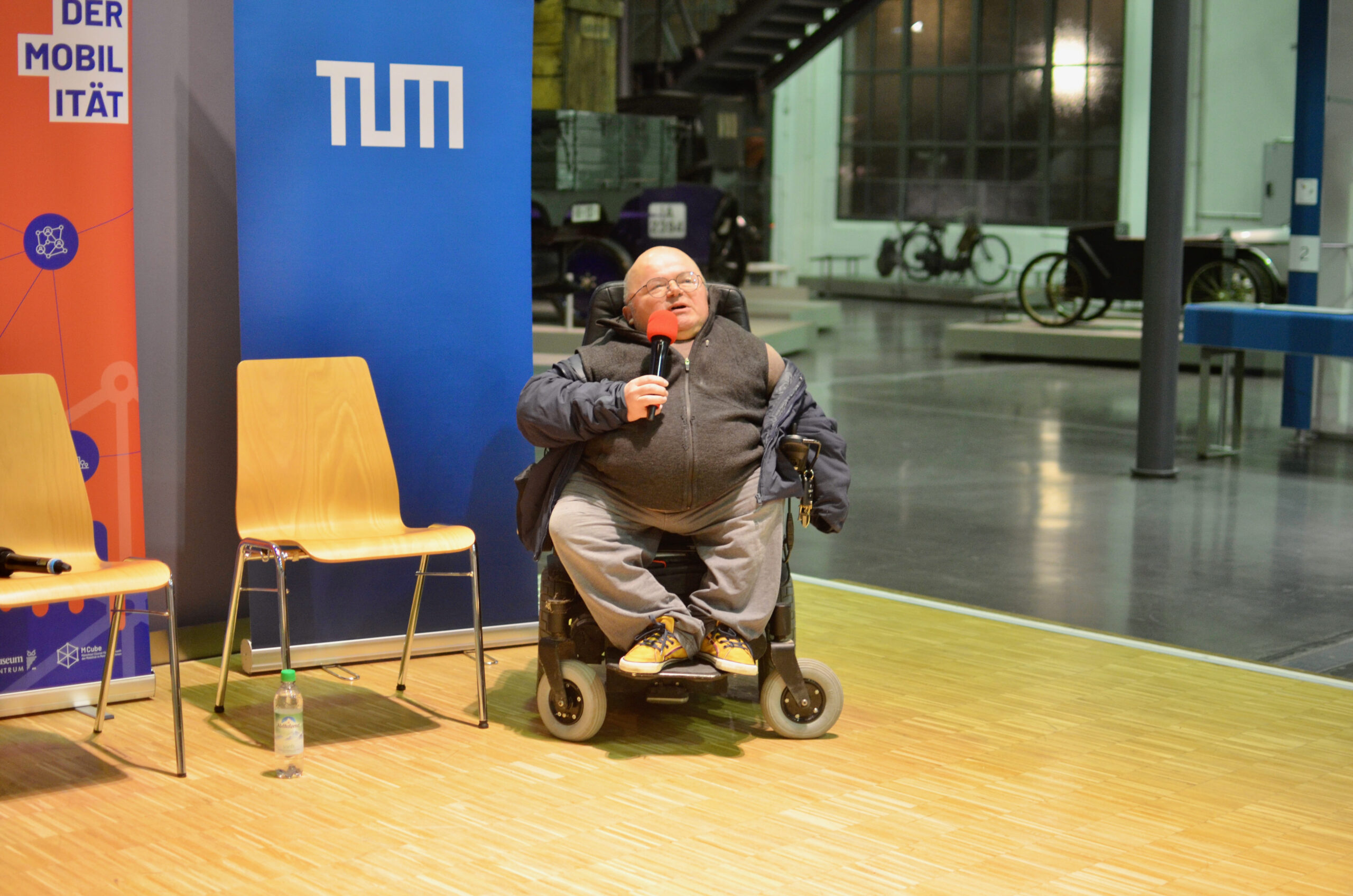
David Duran and Dr. Jessica Le Bris - Practical paths to mobility justice
The next speakers of the evening were Dr. David Duran and Dr. Jessica Le Bris from the MCube innovation project MGeM, who presented how they are pursuing the goal of not only researching mobility injustice in theory, but also improving life in the Munich metropolitan region for everyone through practical solutions. With the mobility (in)justice atlas and the pilot project at Piusplatz, they show where there is a lack of fair mobility and how targeted measures can close these gaps. Politicians and urban planners can use the findings from the MGeM project to develop inclusive mobility concepts.
Mobility (in)equity atlas: uncovering inequalities
A key tool in her research is the Mobility (in)justice atlas. This geodata-based tool visualizes inequalities in mobility provision at the neighbourhood level in cities (initially in Munich) by using urban data and survey results to show how different access to public transport and basic services is for different population groups.
Piusplatz pilot project: measures for a vibrant neighborhoodD
he team has launched a pilot project at Piusplatz, a neighborhood with great social and cultural diversity. In the initial phase, the needs of local residents were recorded through dialog formats such as pop-up campaigns and walks. Based on these insights Measures These range from additional seating to sports facilities to improve social participation and quality of life.
Microlino: today's vehicles are too big, too heavy and often too expensive
The inputs were concluded by Johann Sachmann from Microlino. With the aim of going beyond the "last mile" solution and addressing urban mobility needs holistically, Microlino presents an answer to the criticisms of conventional urban vehicles: too big, too heavy and often too expensive. The Microlino, as Micro Mobility AG's "biggest little product", is a compact, 2.52-meter-long cabin scooter for two people that, with its minimalist electric drive, is not only a practical but also a fairer alternative in urban areas.
Conclusion: A holistic view of the future of mobility
The speakers' discussions and inputs make it clear that "mobility must not only be designed technically". They make it clear how important it is to consider a broad spectrum of perspectives and needs - from gender equality and accessibility to social participation and adaptation to urban spaces - in order to make mobility fairer, more accessible and more sustainable.
In the panel discussion, the speakers joined Silke Buchberger from the City of Munich and the audience to discuss how we can move beyond the technological approach and address people's real needs more effectively. Both economic perspectives and political challenges were highlighted, showing how different interests can influence the implementation of mobility justice.
It is necessary to think and design mobility concepts holistically in order to create a fair, accessible and sustainable future of mobility.
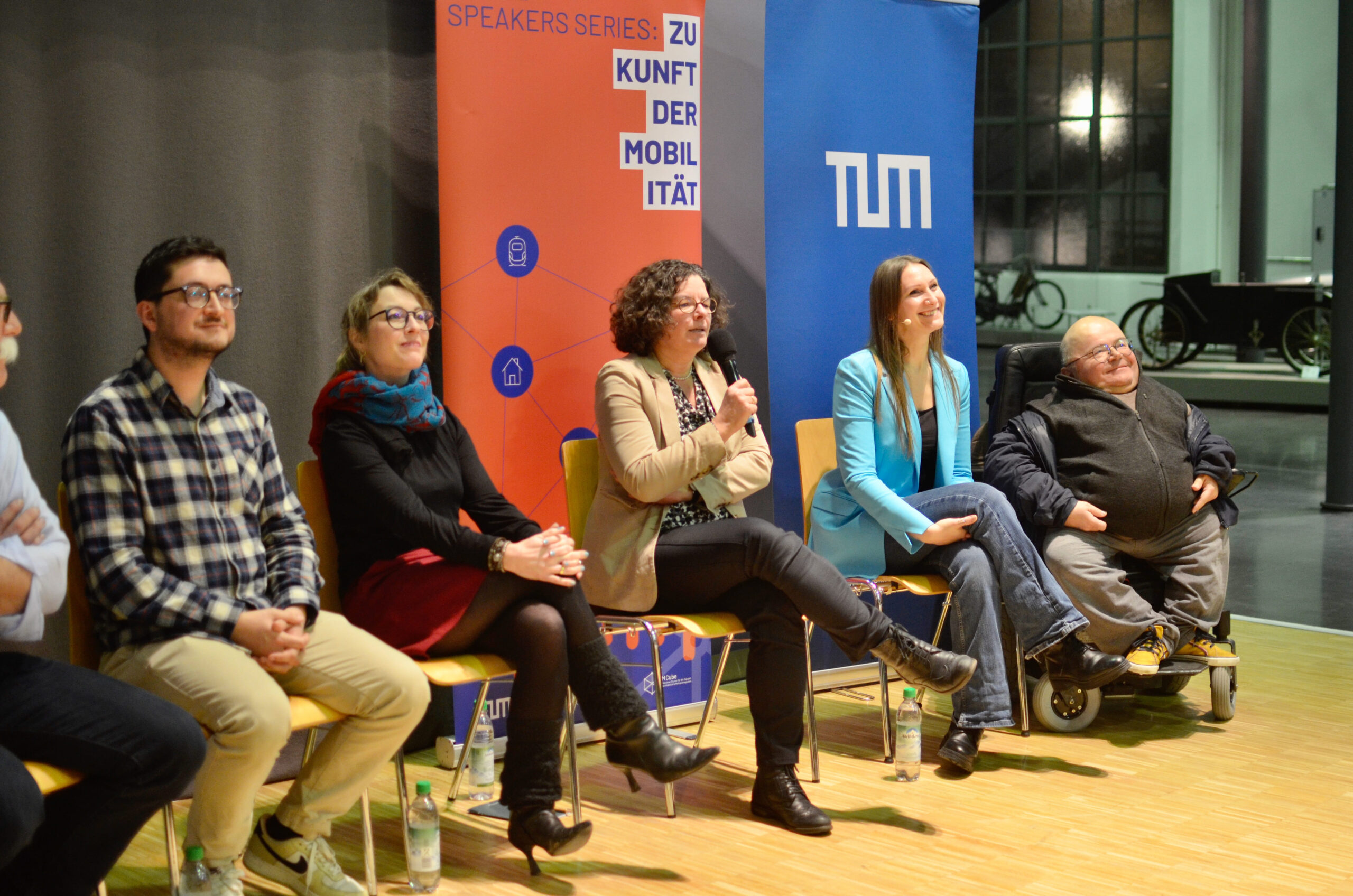
Thanks also to Matthias Grundei for the pictures.
____
"The future of mobility" is a series of lectures by MCube - Munich Cluster for the future of Mobility in Metropolitan Regions, Technical University of Munich, openLAB Urban Mobility and the Deutsches Museum Verkehrszentrum.
Together - Make it possible