aqt

Car-reduced neighborhoods for a livable city

What did we do?

Neighborhood as a testbed for sustainable mobility

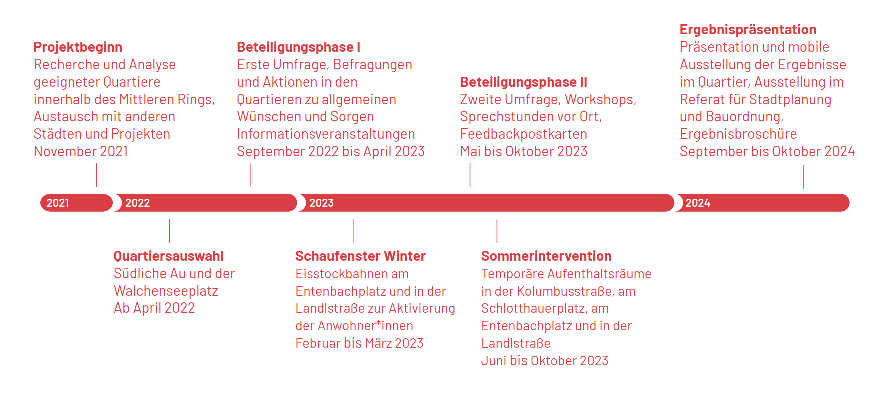
We researched urban mobility in neighborhoods against the backdrop of growing urban challenges, such as continuous population growth and the climate crisis.

To achieve this, street spaces in two Munich neighborhoods were temporarily redesigned to promote more sustainable mobility, social interaction, and greenery. Together with the residents, the project explored what future neighborhoods in Munich could look like.

Empirically, the real-world laboratory was supplemented by simulations and modeling, as well as the co-creative development of future scenarios.

How did we do it?

Co-creative urban development
tested

Our priority was to think about solutions together with citizens, test them, discuss them, and thus learn something about change processes. We used various methods for this: surveys, dialogue formats, and workshops with residents, simulations to analyze traffic performance and patterns, and modeling of a mobility hub network. 

We developed transformative teaching formats and, in cooperation with the TrEx project and together with citizens, future scenarios.

The time-limited implementation of solution approaches in the two Munich project areas „Südliche Au“ and „Walchenseeplatz,“ the so-called real-world laboratories, was central to this. 

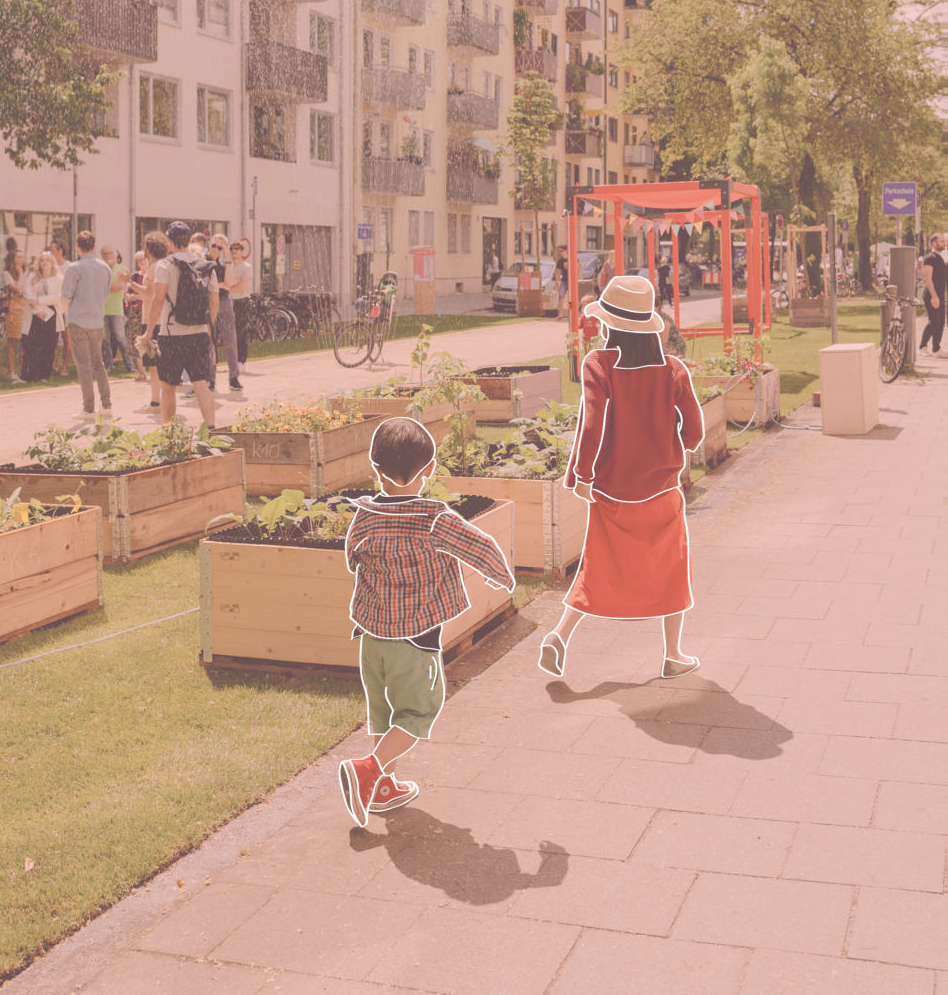
In the summer of 2023, new temporary spaces were created in both neighborhoods on public traffic areas, inviting people to linger, garden, or play, for example. These redesigns were supplemented by mobility hubs, which offered alternatives to private car ownership.


Why did we do it?

Challenges and
Motivation

Munich is growing, there are more hot days in the summer, and extreme weather events are increasing, and changes in mobility behavior necessitate a redistribution of public space. There is no single solution to meet these challenges.

We can only figure out together how to transform cities into climate-friendly and socially just cities. This requires testing new approaches – new forms of cooperation between science, administration, business, and society. 

Where did we do it?

Our real-world lab locations
in Munich

From the park license areas within the Mittlerer Ring, we selected two project areas typical of Munich – the Südliche Au with Kolumbusstraße and smaller neighborhood squares, as well as Landlstraße in Obergiesing near Walchenseeplatz.

The mesoscopic modeling referred to the Munich city area, while the microscopic simulations referred to the two project areas.

For questions and comments, feel free to contact us via Mail.

Those were the news in project aqt

Here's a look back at our past events and contributions.

Fewer cars, more life - is that possible? The aqt project has transformed Munich's streets into vibrant living spaces in 2023. The majority of residents say: yes, it works!

With this in mind, we invited our 14 projects to report on their goals, challenges and successes in a series of interviews.

Project partners

aqt relied on a team of science, business, government, and society

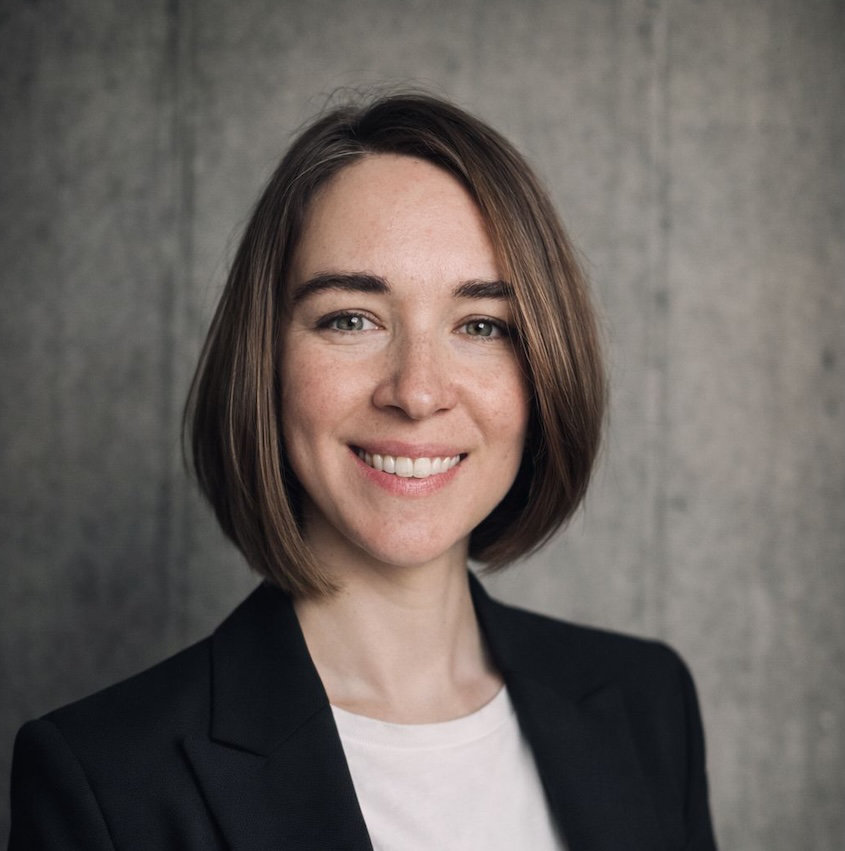
Mareike Schmidt

Emil Pabst

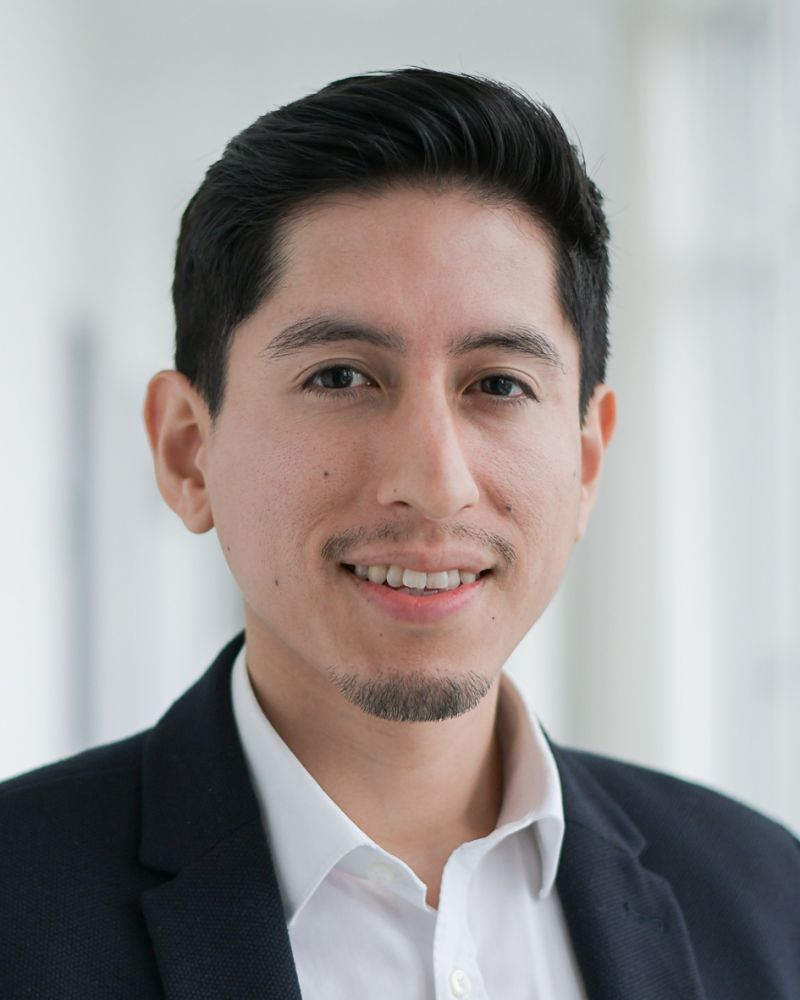
Johann Velarde-Ramos

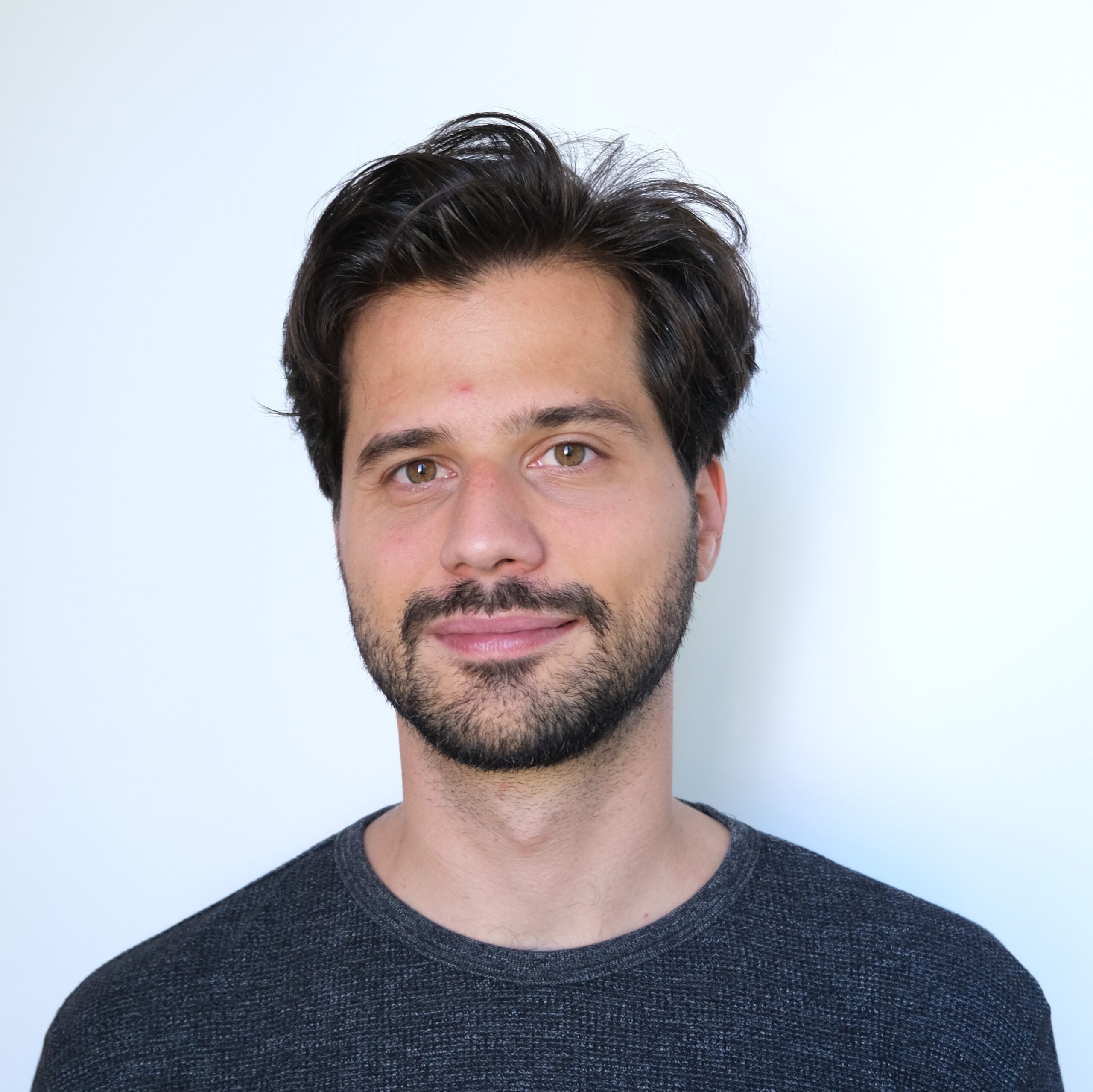
Sebastian Preiß

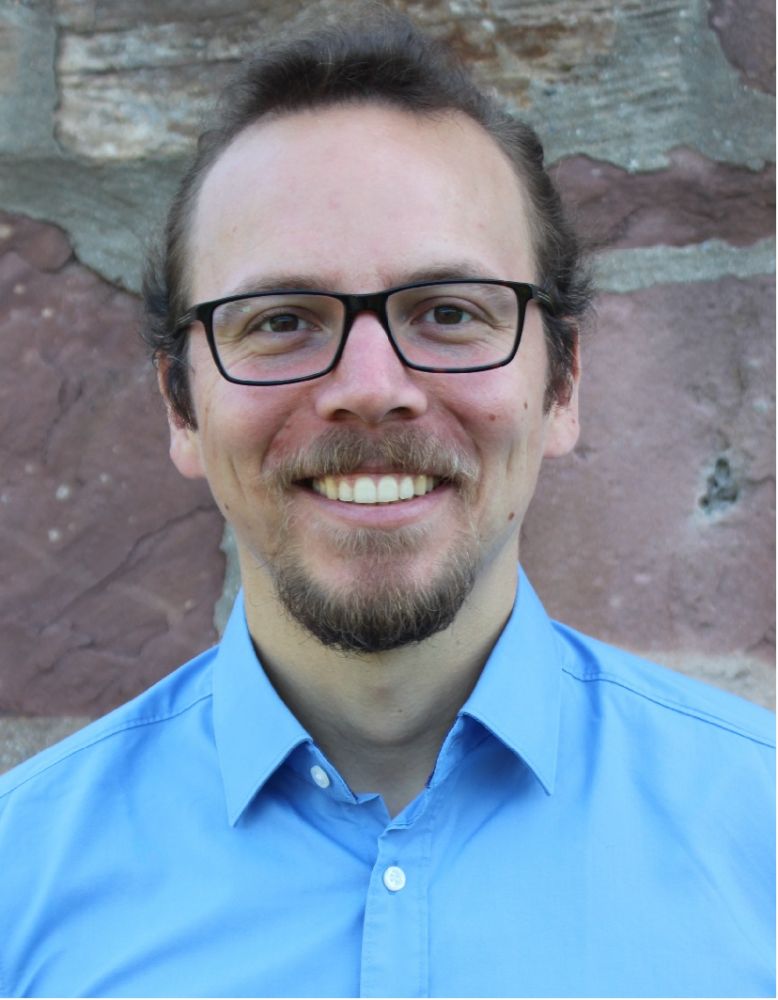
Frederik Bachmann

Dominik Nouri

Melanie Grötsch

Tobias Griesmeier

Mohamed Abouelela

Tobias Herbst

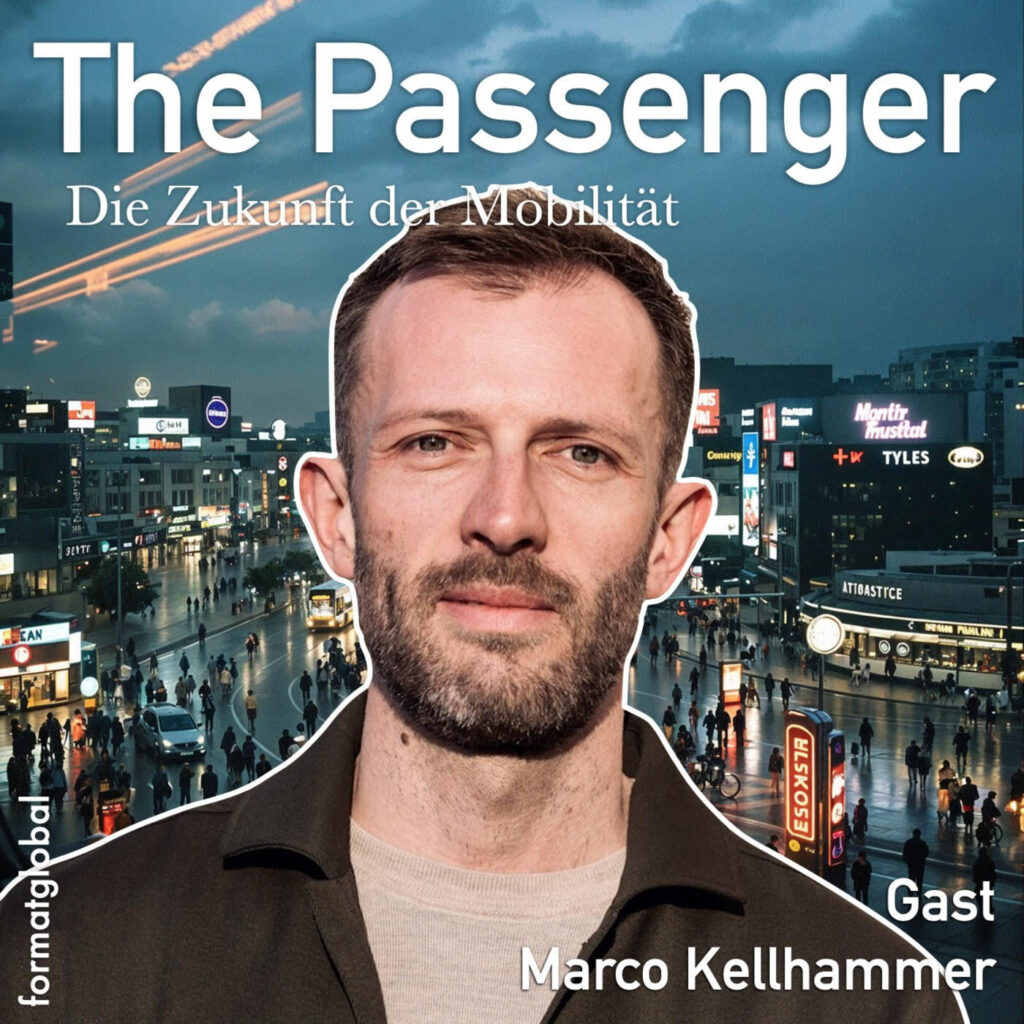
Marco Kellhammer

Moritz Brakmann

Anne-Sophie Hofmann

Raoul Rothfeld

Alicia-Violetta Hergerdt

Benjamin Zeckau

Irina Riehle

Simone Aumann

Prof. Dr.sc. Benedikt Boucsein

Jana Heese

Filippos Adamidis

Das Logo zeigt die Buchstaben "TUM" in großen, blauen Großbuchstaben in einer klaren, modernen serifenlosen Schrift. Die Buchstaben sind sehr breit und dicht aneinander gereiht.
Logo mit dem Schriftzug 'Hans Sauer' in grüner, fetter Schrift und darunter das Wort 'Stiftung' in grauer Schrift
Logo der UnternehmerTUM, das aus einem blauen dreizeiligen Schriftzug besteht.
Logo von „aimsun“: Links ein kreisförmiges Symbol mit einem gelben Außenring, einem dunkelblauen inneren Kreis und einem kleineren hellblauen Kreis in der Mitte. Rechts daneben steht der Schriftzug „aimsun“ in dunkelblauen Kleinbuchstaben. Über dem „i“ und am Ende des Wortes befindet sich jeweils ein gelber Punkt.
Logo des Autovermietungsunternehmen SITX: Der Schriftzug ‚Sixt‘ in fetten, schwarzen Buchstaben, wobei über dem Buchstaben ‚i‘ eine orange, geschwungene Form verläuft.
Logo der Tier Mobility SE: Ein dunkelblauer Schriftzug in Großbuchstaben.
Das Foto zeigt das Veomo-Logo

Easy language

What is MOSAIQ?
Imagine something: There is more space for people. The streets have more trees and plants. Everyone can get around better. That's how your Schwabing-West district could be in the future. How would you like your district to be? We want to talk to you about it!

The project is called MOSAIQ. MOSAIQ is a research∙project. MOSAIQ means: Mobility and urban climate in the future city∙part. The Technical University of Munich is leading the project.

What is MOSAIQ about?
MOSAIQ wants to make the streets in the city∙part more beautiful. People should feel comfortable there. There should be more space. For meetings and plants, for example. You can help decide what is tried out in the Stadt∙teil. The ideas come from you. Some ideas will be tried out on the streets for a certain period of time.
The aim of MOSAIQ is to make urban districts good places to live.
At the same time, the climate in the city should improve. And people should be able to move around the city easily. 

What is happening in the district?

  • In the year 2025:
    The people in the district can participate. They can express their ideas. There are discussions, surveys and meetings. Researchers are also starting their work.
  • In the year 2026:
    Some ideas are tried out.
    They are moved around the streets for a certain period of time.
  • In the year 2027:
    The results are evaluated.
    Consideration is given to how things can continue∙.