ReMGo

Responsible Mobility Governance and Innovation

What did we do?

Developing a human-centered approach to mobility innovation

We developed concepts and methods to design mobility innovations responsibly, sustainably, and in a human-centered manner. The goal was not to consider technological developments in isolation, but to integrate social, legal, and ethical issues into research and development at an early stage.

In this regard, we particularly supported researchers and project partners in focusing more on topics such as justice, inclusion, and societal impact. Furthermore, we intensively engaged with the political and regulatory frameworks for future mobility. 

In this context, we were also responsible for the format of the MCube innovation recommendations.


How did we do it?

Research through interviews, workshops, and policy recommendations

In our research approach, we primarily conducted interviews with experts, citizens, and other individuals who are broadly involved in mobility innovation. 

We also analyzed documents, organized workshops, and wrote policy recommendations. We did this both with an internal focus on the MCube cluster, as well as with an external focus on the international context.

Why did we do it?

Understanding the Social and Legal Implications of New Mobility Forms

Technology and innovation influence society in diverse ways. In the area of mobility, for example, means of transport can determine which schools are accessible or how independently people can move around. 

On a global level, mobility also plays a central role in the fight against climate change and for the future of coming generations. Our research goal was to better understand the social and legal impacts of mobility innovations. 

understand and ensure that those affected by these innovations—whether through new roads, apps, or transportation methods—are adequately considered.

Reports and Publications

Here we provide insights into our research and results.

Project partners

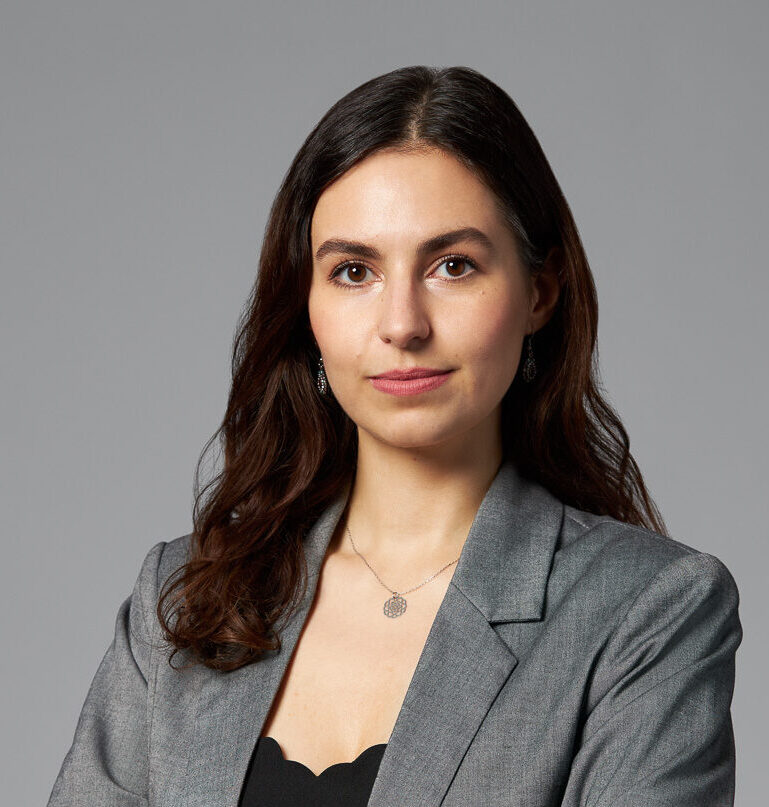
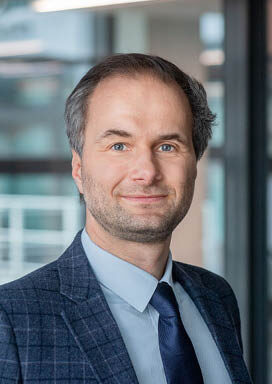
ReMGo relied on an interdisciplinary team from the Faculty of Social Sciences at TU Munich

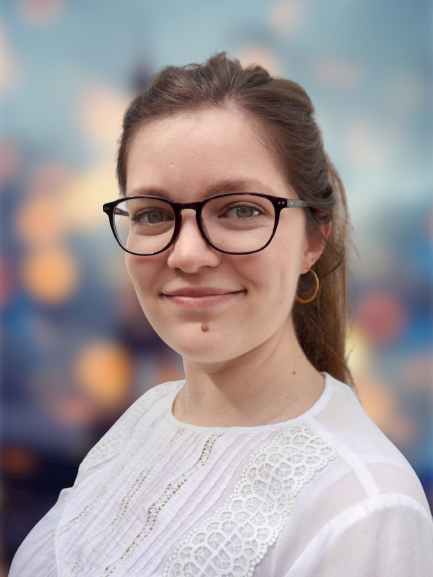
Alina Weiss

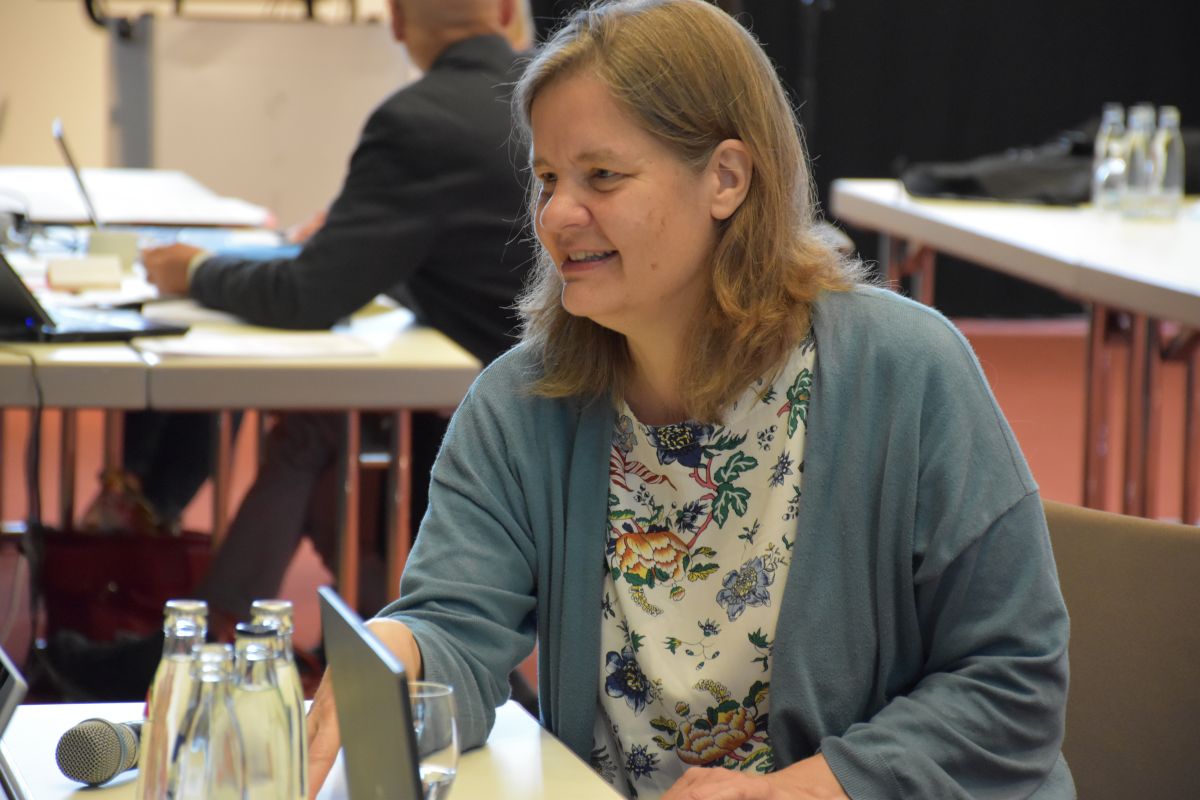
Prof. Dr. Miranda Schreurs

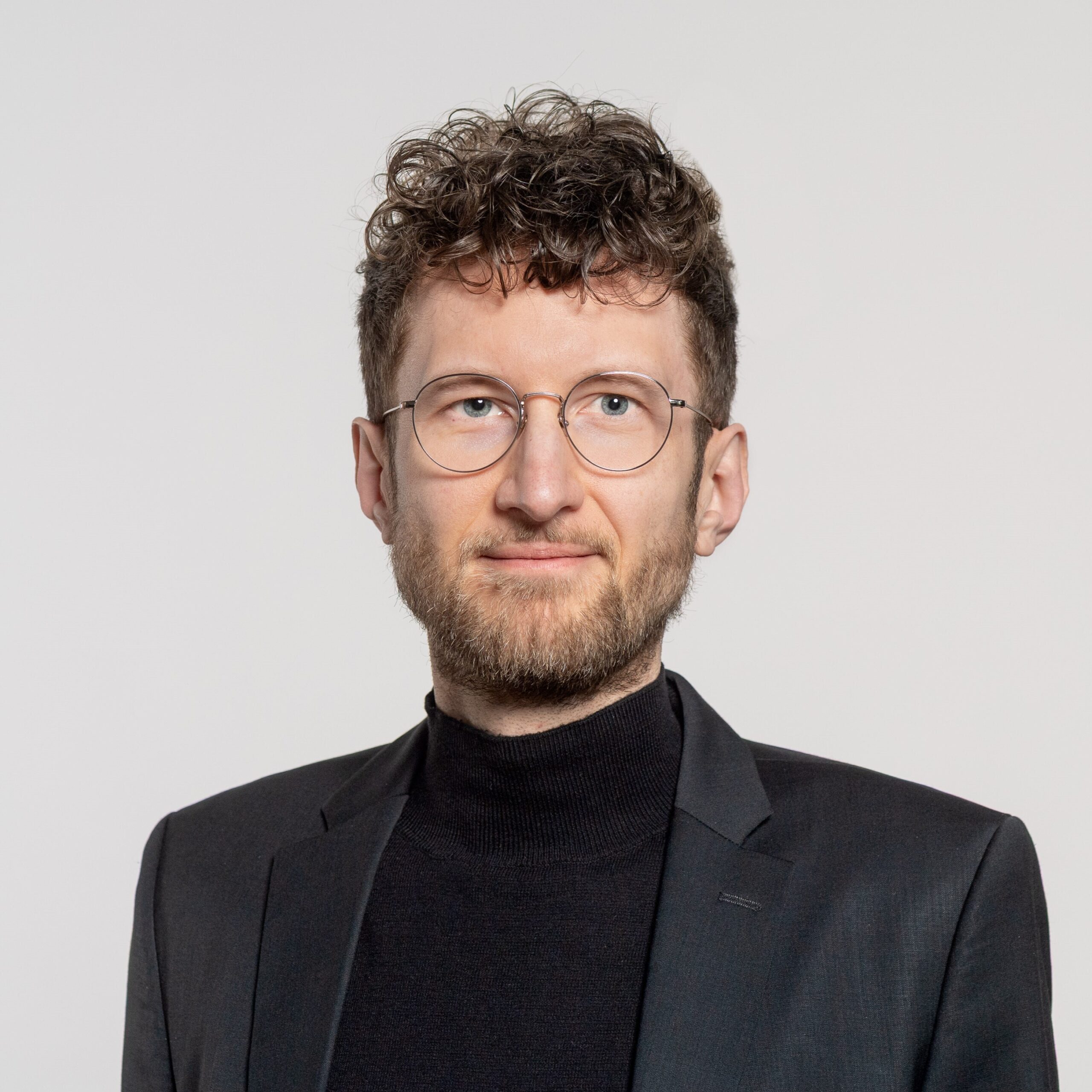
Dr. Alexander Wentland

Prof. Dr. Stefan Wurster

Sophia Knopf

Prof. Dr. Sebastian Pfotenhauer

Das Logo zeigt die Buchstaben "TUM" in großen, blauen Großbuchstaben in einer klaren, modernen serifenlosen Schrift. Die Buchstaben sind sehr breit und dicht aneinander gereiht.

Easy language

What is MOSAIQ?
Imagine something: There is more space for people. The streets have more trees and plants. Everyone can get around better. That's how your Schwabing-West district could be in the future. How would you like your district to be? We want to talk to you about it!

The project is called MOSAIQ. MOSAIQ is a research∙project. MOSAIQ means: Mobility and urban climate in the future city∙part. The Technical University of Munich is leading the project.

What is MOSAIQ about?
MOSAIQ wants to make the streets in the city∙part more beautiful. People should feel comfortable there. There should be more space. For meetings and plants, for example. You can help decide what is tried out in the Stadt∙teil. The ideas come from you. Some ideas will be tried out on the streets for a certain period of time.
The aim of MOSAIQ is to make urban districts good places to live.
At the same time, the climate in the city should improve. And people should be able to move around the city easily. 

What is happening in the district?

  • In the year 2025:
    The people in the district can participate. They can express their ideas. There are discussions, surveys and meetings. Researchers are also starting their work.
  • In the year 2026:
    Some ideas are tried out.
    They are moved around the streets for a certain period of time.
  • In the year 2027:
    The results are evaluated.
    Consideration is given to how things can continue∙.