Profilbild von Dr. Maximilian Pfertner, Wissenschaftlicher Mitarbeiter am Lehrstuhl Siedlungsstruktur und Verkehrsplanung an der TU München; Projektleitung in den Projekten EPURA und SUE sowie Mitglied im MCube Strategieteam.
  • Principal Investigator

Dr. Maximilian Pfertner

TUM

Research assistant at the Chair of Settlement Structure and Transport Planning

The future of mobility in 3 words:

human, multimodal, efficient

About me

MCube

Was fasziniert dich an der Innovationslandschaft der Mobilität in der Region?

  • Mich fasziniert die Diversität von Themen, Kompetenzen und Akteuren. Das ist eine echte Stärke, die wir nutzen können um Innovationen gemeinsam voranzubringen.

Welche zentrale Herausforderung siehst du für die Zukunft der Mobilität?

  • Es muss uns gelingen, Mobilität so zu gestalten, dass alle Säulen der Nachhaltigkeit berücksichtigt sind. Um zukunftsfähig zu sein müssen Innovationen wirtschaftlich tragfähig sein, soziale Wirkungen (und Nebenwirkungen) berücksichtigen und natürlich auch fürs Klima und die Umwelt Verbesserungen mitsichbringen. MCube ist da mit der Mission zur Verbesserung der Qualität von Zeit, Raum und Luft gut aufgestellt!

Welche Perspektive oder Expertise bringst du in dein MCube Projekte ein?

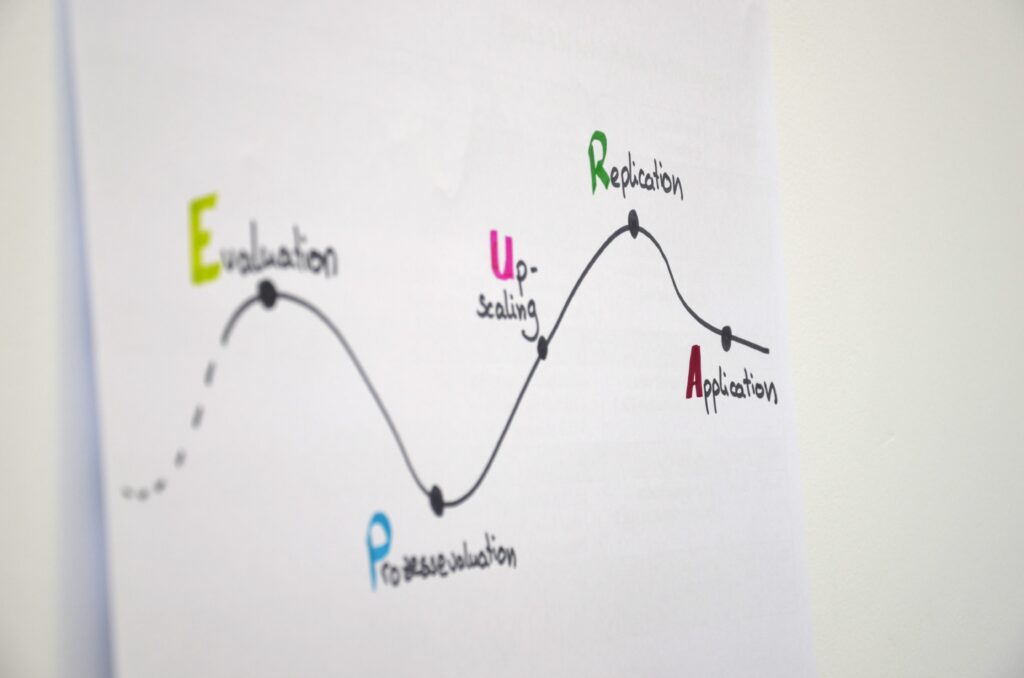
  • In EPURA kümmere ich mich vor allem um die Arbeitspakete Replication und Application. Unsere Perspektive ist da ganz klar die Suche nach Möglichkeiten, die wertvollen LEarnings aus MCube in die Praxis zu bringen. Dafür entwickeln wir Methoden und wenden Sie gemeinsam an.

For me, MCube means...

  • Die Chance, aus der Wissenschaft heraus echte Wirkungen in der realen Welt zu erzeugen!

In these projects I act as

Principal Investigator

Our project deals with evaluation, process evaluation, upscaling, replication and application of the project processes and project results.

This is where I get involved

Projects

Our project deals with evaluation, process evaluation, upscaling, replication and application of the project processes and project results.

SUE

The project evaluated the internal processes and the impact of the cluster and used the knowledge gained to further develop the mobility system in a targeted manner.

Easy language

What is MOSAIQ?
Imagine something: There is more space for people. The streets have more trees and plants. Everyone can get around better. That's how your Schwabing-West district could be in the future. How would you like your district to be? We want to talk to you about it!

The project is called MOSAIQ. MOSAIQ is a research∙project. MOSAIQ means: Mobility and urban climate in the future city∙part. The Technical University of Munich is leading the project.

What is MOSAIQ about?
MOSAIQ wants to make the streets in the city∙part more beautiful. People should feel comfortable there. There should be more space. For meetings and plants, for example. You can help decide what is tried out in the Stadt∙teil. The ideas come from you. Some ideas will be tried out on the streets for a certain period of time.
The aim of MOSAIQ is to make urban districts good places to live.
At the same time, the climate in the city should improve. And people should be able to move around the city easily. 

What is happening in the district?

  • In the year 2025:
    The people in the district can participate. They can express their ideas. There are discussions, surveys and meetings. Researchers are also starting their work.
  • In the year 2026:
    Some ideas are tried out.
    They are moved around the streets for a certain period of time.
  • In the year 2027:
    The results are evaluated.
    Consideration is given to how things can continue∙.