SUE

System analysis and evaluation

What did we do?

Support for the MCube Cluster through Evaluation and System Design

Evaluation: We analyzed the internal workflows and processes of the MCube cluster and supported the 11 innovation projects in measuring their successes in relation to the MCube goals (e.g., improvement of time, space, and air quality).

System Design: We have developed a method that estimates early in the planning process whether a transportation system (e.g., subway, tram, cable car, on-demand services) has potential in a specific scenario.


How did we do it?

Data-driven evaluation and development of the "Mobil-o-Mat"

Evaluation: We gathered information about processes and procedures through questionnaires and personal interviews with project managers and evaluation officers.

System Design: In close collaboration, we developed the „Mobil-o-Mat“ step by step. The necessary functions were jointly defined, integrated into the tool, and tested.

Why did we do it?

Better foundations for mobility decisions

Evaluation: Serves to monitor whether the set MCube goals are being achieved and projects are being successfully implemented. Our partners, such as the state capital Munich and BMW, also benefit from this.

System Design: We close knowledge gaps that exist in the early planning phase, especially with innovative ideas like urban cable cars.

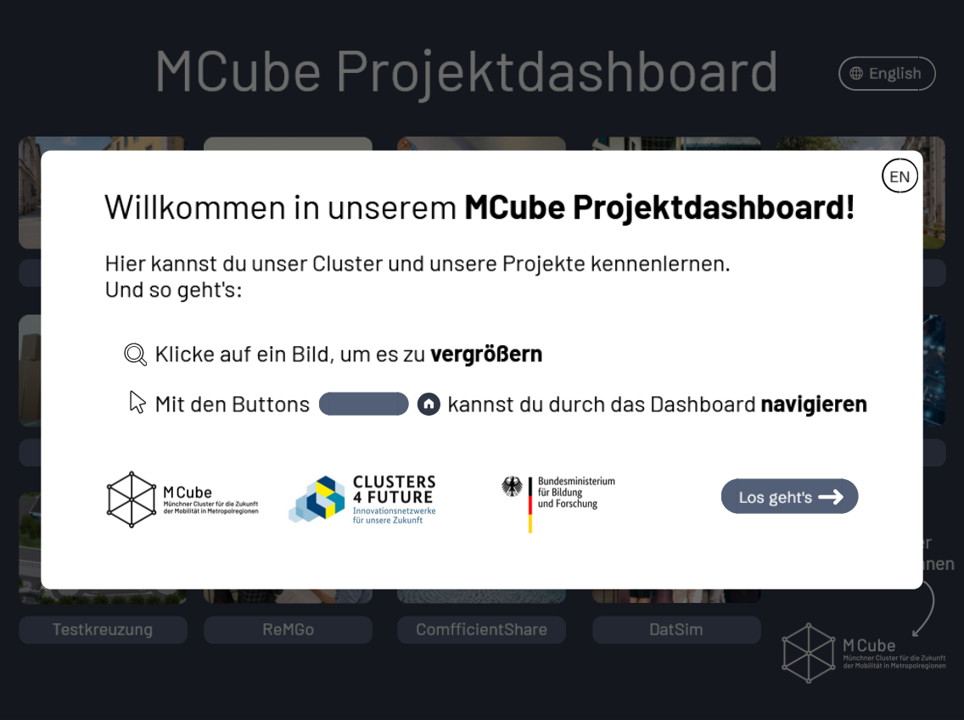
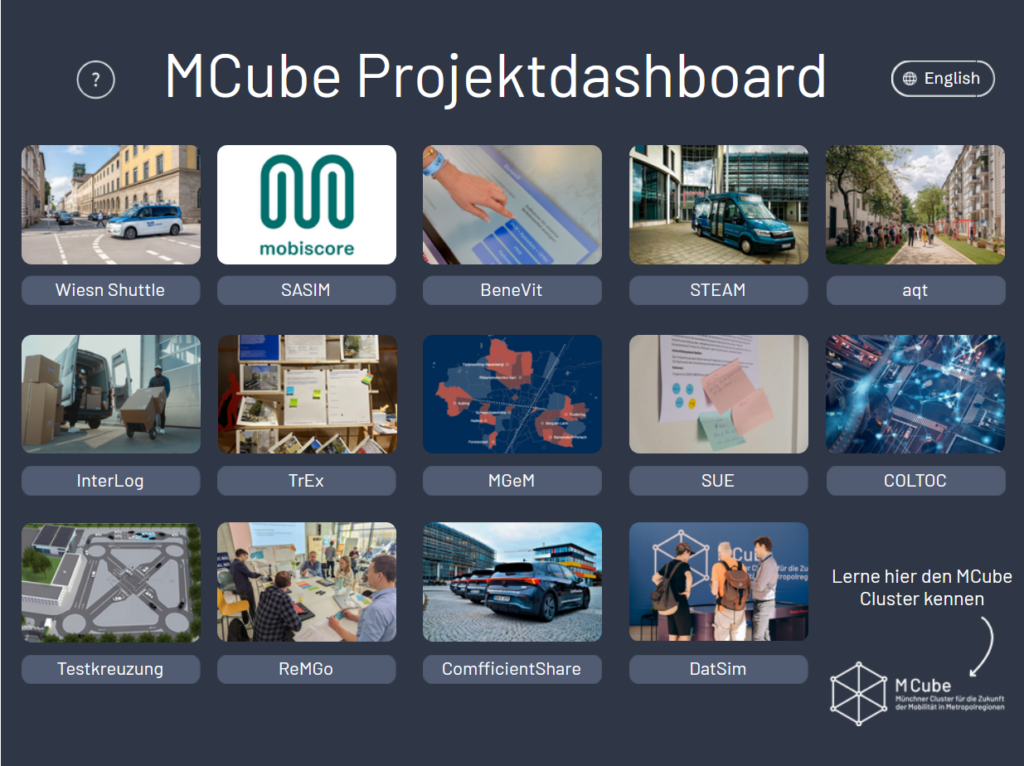
MCube Dashboard

Get to know all MCube Phase 1 projects at a glance

Project partners

SUE relied on a team from science, business, and the public sector

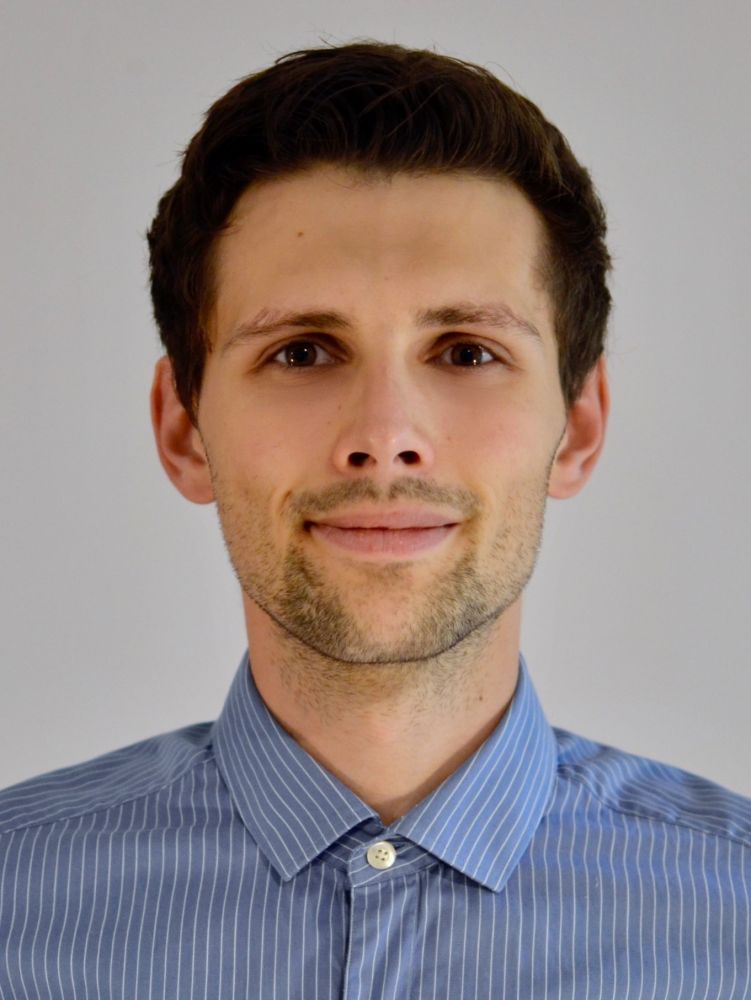
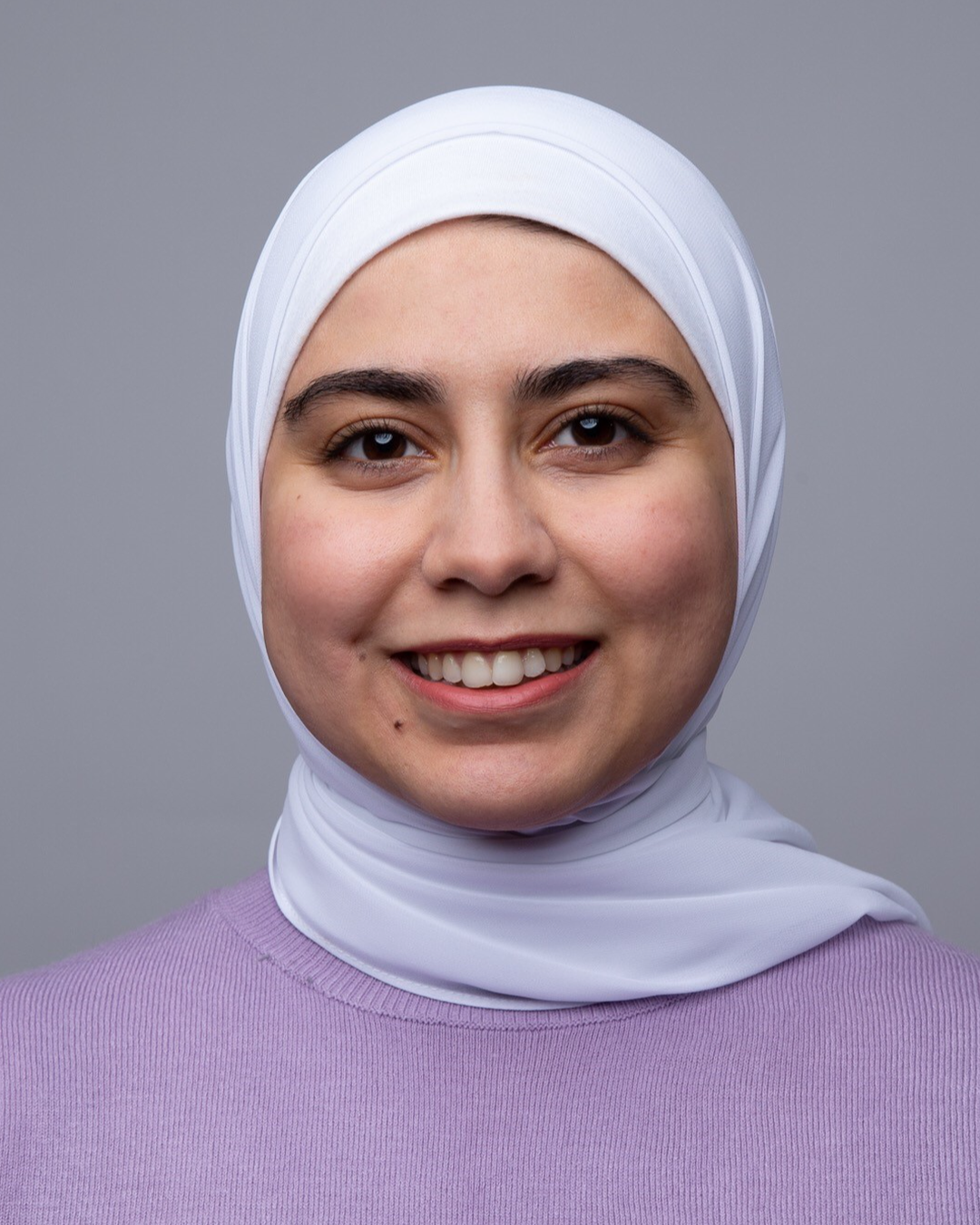
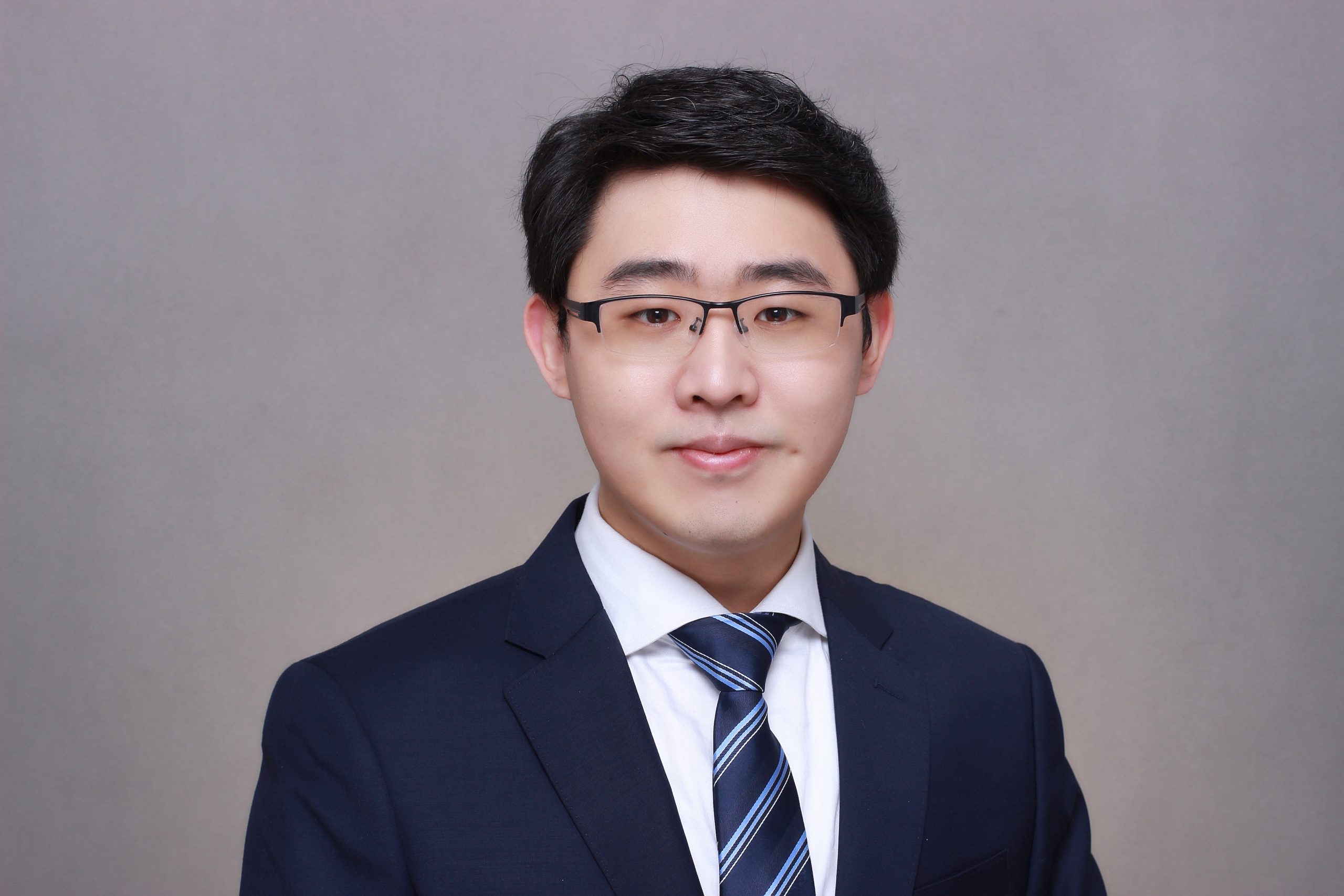
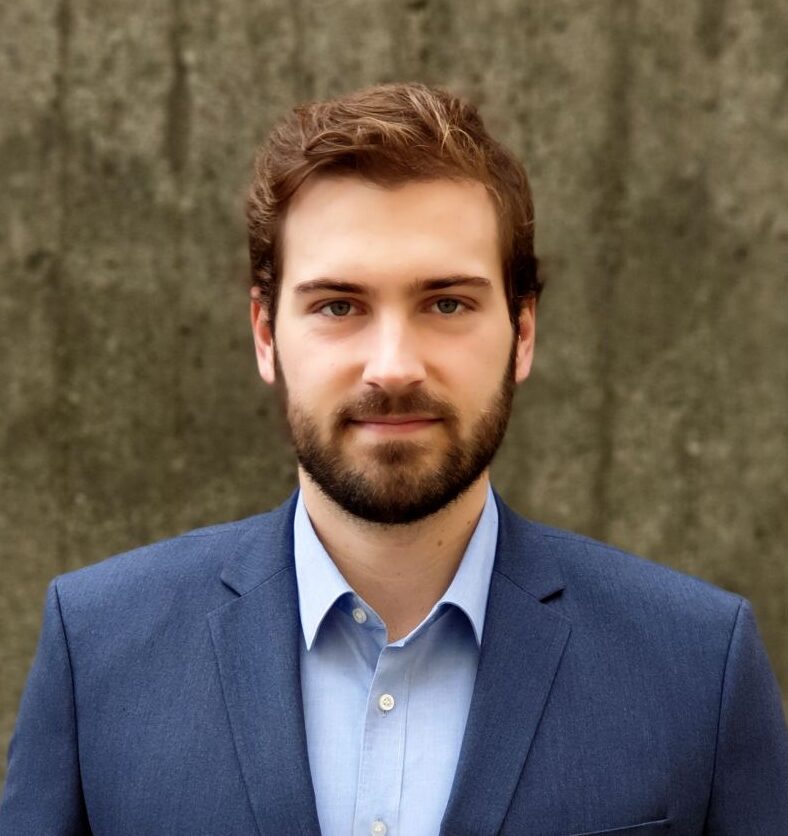
Dr. Maximilian Pfertner

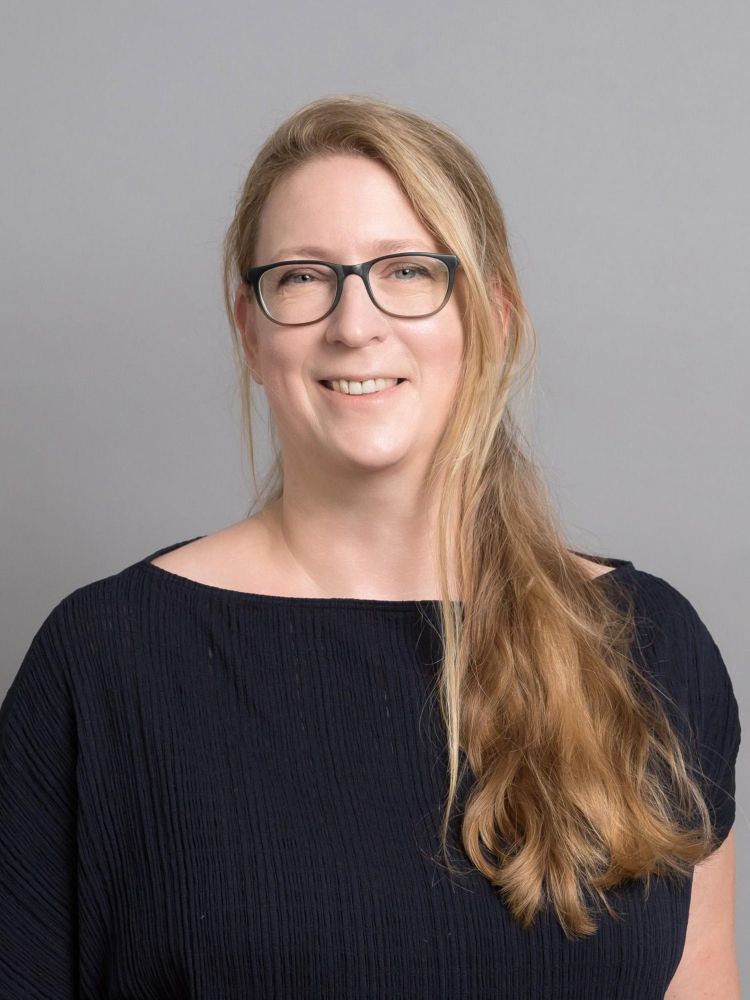
Carolin Zimmer

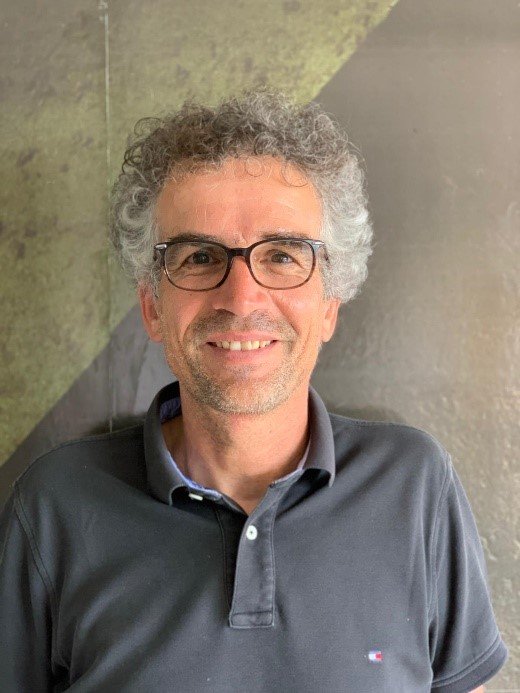
Matthias Grundei

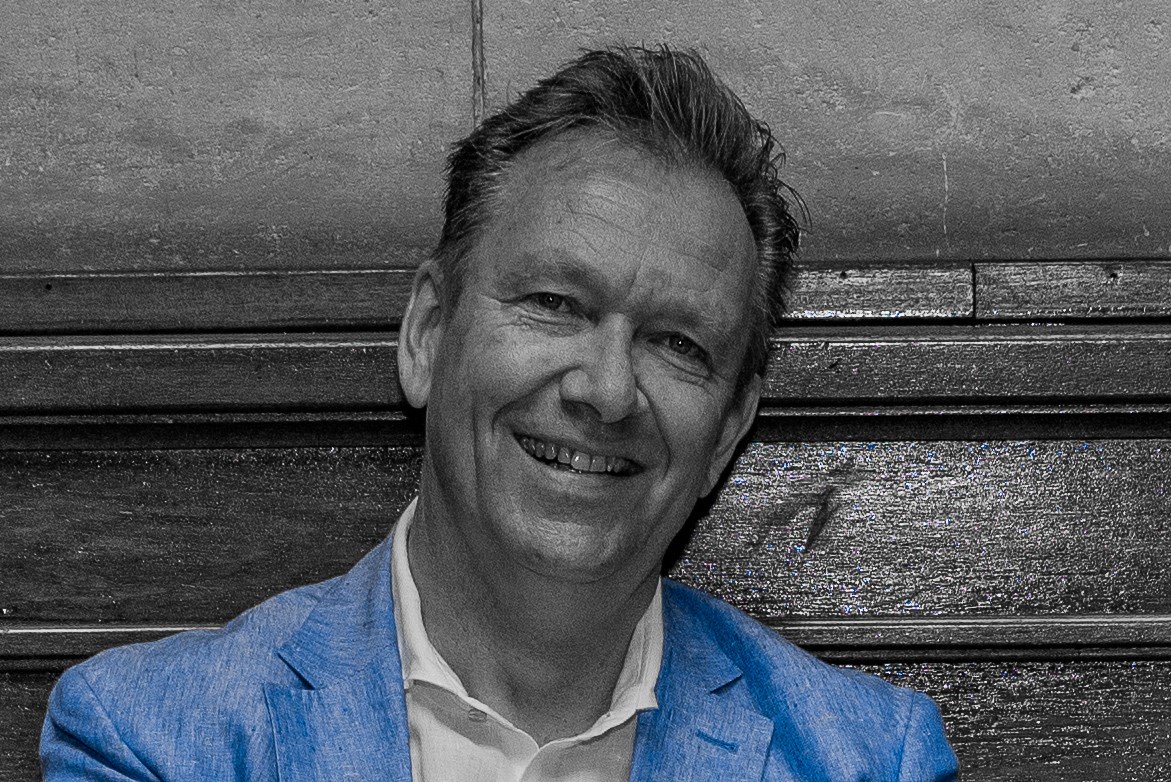
Iris Pollesch

Ulrich Glöckl

Andreas Welter

Yamam Alayasreih

Dr.-Ing. Antonios Tsakarestos

Yihan Xu

Johannes Horvath

Prof. Dr.-Ing. Gebhard Wulfhorst

Das Logo zeigt die Buchstaben "TUM" in großen, blauen Großbuchstaben in einer klaren, modernen serifenlosen Schrift. Die Buchstaben sind sehr breit und dicht aneinander gereiht.
Das Foto zeigt das BMW Group Logo
Das Foto zeigt das Logo von Doppelmayr
Das Foto zeigt das Dromos-Logo
Logo mit dem Schriftzug „EASY MILE“. „EASY“ ist in dunkelgrauer, abgerundeter Schrift geschrieben, die Buchstaben sind verbunden, und das „Y“ hat einen Punkt am oberen rechten Ende. „MILE“ ist in derselben Schriftart, aber türkisfarben.
Logo der Europäischen Metropolregion München e.V.: Links ein kreisförmiges Symbol aus vier farbigen Bögen in Rot, Blau, Grün und Gelb. Rechts daneben steht der dreizeilige Schriftzug „EUROPÄISCHE METROPOLREGION MÜNCHEN e.V.“ in Großbuchstaben.
Logo des Landkreises München: Links ist das Wappen des Landkreises, in dem oben links ein blau-weißes Rautenmuster, oben rechts ein schwarzes Feld mit silbernem Schrägbalken, unten links ein schwarzes Feld, unten rechts ein goldenes Feld ist. Rechts neben dem Wappen steht der schwarze Schriftzug „Landkreis München“.
Logo der Firma „Max Bögl“. Ein rotes geometrisches Symbol bildet die Buchstaben „m“ und „b“ innerhalb eines roten quadratischen Rahmens. Darunter steht der Schriftzug „MAX BÖGL“ in fetten, roten Großbuchstaben.
Logo des Münchner Verkehrs- und Tarifverbunds (MVV). Links ein stilisiertes kreisförmiges Symbol in Blau und Grün, rechts daneben die Buchstaben „MVV“ in dunkelblauer Schrift
Das Foto zeigt das Logo von Sweco

Easy language

What is MOSAIQ?
Imagine something: There is more space for people. The streets have more trees and plants. Everyone can get around better. That's how your Schwabing-West district could be in the future. How would you like your district to be? We want to talk to you about it!

The project is called MOSAIQ. MOSAIQ is a research∙project. MOSAIQ means: Mobility and urban climate in the future city∙part. The Technical University of Munich is leading the project.

What is MOSAIQ about?
MOSAIQ wants to make the streets in the city∙part more beautiful. People should feel comfortable there. There should be more space. For meetings and plants, for example. You can help decide what is tried out in the Stadt∙teil. The ideas come from you. Some ideas will be tried out on the streets for a certain period of time.
The aim of MOSAIQ is to make urban districts good places to live.
At the same time, the climate in the city should improve. And people should be able to move around the city easily. 

What is happening in the district?

  • In the year 2025:
    The people in the district can participate. They can express their ideas. There are discussions, surveys and meetings. Researchers are also starting their work.
  • In the year 2026:
    Some ideas are tried out.
    They are moved around the streets for a certain period of time.
  • In the year 2027:
    The results are evaluated.
    Consideration is given to how things can continue∙.