
Would you like car sharing in your building? Or do you want to make your car available to your neighbors?
We are testing various concepts that make this service available directly where people live while using private parking space more efficiently.
This also includes optimal charging management. The electric vehicles charge when electricity is cheap and as green as possible. This ensures low operating costs and relieves the strain on the power grid.

We are testing comfortable and efficient vehicle sharing on private property
We want to show that you don't need your own car in everyday life to be mobile at any time. We want to give all vehicle owners the opportunity to share their vehicle easily with the neighborhood.
Which concepts achieve this is something we are testing directly at residential locations to see what works for users and providers. These are our main areas of focus:
Reduction of stationary traffic
Fewer unused private vehicles in public spaces - for more space in the neighborhood and more efficient use of existing areas.
Promotion of joint mobility solutions
Strengthen car sharing as a neighborhood service and test new forms of sharing in everyday life.
Peer-to-peer car sharing
Better utilization of private vehicles by using them when they are otherwise unused - simple, flexible and self-determined.
Sustainable and efficient mobility for everyday life
Creating a reliable mobility service that makes it easier to do without a car and complements different forms of mobility.
Relieving the burden on participants
Make car sharing as carefree as possible by taking over organizational and administrative tasks related to the rented vehicle.
Testing of light quadricycles
Light motor vehicles are being tested as an alternative to conventional vehicles in car-sharing operations at two locations.
In ComfficientShare 2.0, experienced partners from science, administration and business are working together under the leadership of the Technical University of Munich.
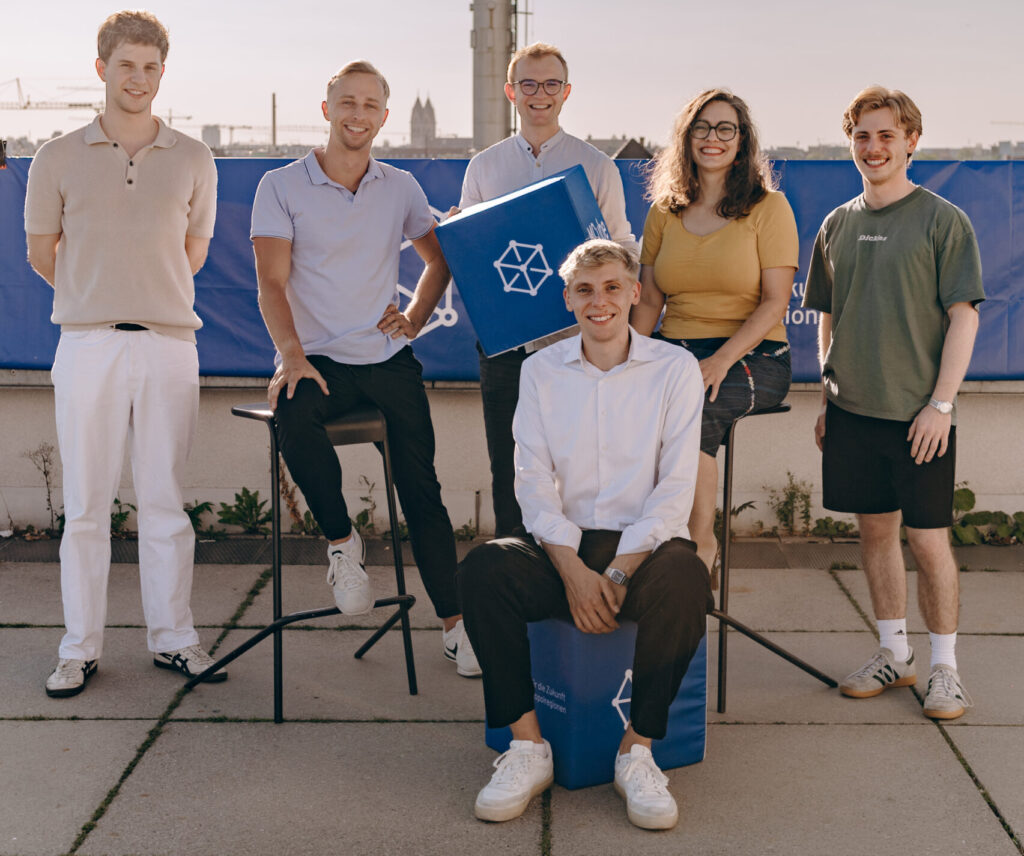
At the TUM Chair of Automotive Technology (FTM), our „Smart Mobility“ research group investigates user mobility behavior through data collection and analysis, and develops new mobility systems based on these insights. Using simulations, we can model users, vehicles, and infrastructure, and evaluate future scenarios. The „Autonomous Vehicles“ and „Electric Vehicles“ research groups, which are also based at the chair, expand our expertise across the entire value chain of automotive mobility.
The Mobility Department (MOR) is the central point of contact for all strategic issues relating to mobility and transportation in Munich. Our goal is equal and safe coexistence on our roads and a better quality of life in Munich.
In addition to classic vehicles, BMW is increasingly developing innovative, digital mobility solutions for urban areas. The focus is on car-sharing, ride-pooling and subscription models such as Share Now, as well as networked services that make individual mobility more flexible and sustainable. Through electromobility, data analysis and digital platforms, BMW is creating new forms of demand-oriented travel and thus supplementing traditional vehicle ownership with modern, shared mobility concepts.
ChargeX GmbH, a Munich-based e-mobility start-up, develops innovative charging infrastructure solutions for electric vehicles, in particular the modular „Aqueduct“ system, which enables many charging points to be connected to just one power connection. This enables companies, residential complexes or parking garages to charge vehicles efficiently, flexibly expand charging points and intelligently control electricity demand. Supported by software for administration, billing and load management, ChargeX makes e-mobility easier, scalable and future-proof in everyday life and the working world.
City Transformers EU develops compact electric vehicles for urban areas. The divisible microcars reduce traffic jams, parking problems and emissions. With our vehicles and services, we contribute to sustainable and intelligently networked mobility solutions for cities and commuters. At the same time, we at City Transformers promote new concepts for the integration of micromobility into existing urban transportation systems.
e+k move GmbH develops and operates integrated mobility solutions for neighborhoods, properties and municipalities. With our „Quartiershub“ concept, we combine car sharing, bike sharing, digital parking space management and e-charging infrastructure to enable sustainable and space-saving mobility on site. Users can make flexible use of various sharing services via digital platforms and thus reduce the need for private car ownership.
STATTAUTO München Carsharing has been in existence since 1992 and successfully celebrated its 30th anniversary in 2022. More than 17,000 STATTAUTO Munich users now share around 450 vehicles at over 145 stations in and around Munich.
UnternehmerTUM is Europe's leading center for innovation and start-ups. Here, people with ideas are supported in developing sustainable start-ups and pioneering technologies. In the MOSAIQ project, we specifically support the implementation of environmentally friendly forms of mobility and participatory approaches - so that research is put into practice and finds its way into the economy.
There are no results matching your search








Lorem ipsum dolor sit amet, consetetur sadipscing elitr, sed diam nonumy eirmod tempor invidunt ut labore et dolore magna aliquyam erat, sed diam voluptua. At vero eos et accusam et justo duo dolores et ea rebum.
Lorem ipsum dolor sit amet, consetetur sadipscing elitr, sed diam nonumy eirmod tempor invidunt ut labore et dolore magna aliquyam erat, sed diam voluptua. At vero eos et accusam et justo duo dolores et ea rebum.
Lorem ipsum dolor sit amet, consetetur sadipscing elitr, sed diam nonumy eirmod tempor invidunt ut labore et dolore magna aliquyam erat, sed diam voluptua. At vero eos et accusam et justo duo dolores et ea rebum.
Are you interested in working with MCube?
Feel free to get in touch with us then.
ما هو مشروع موزايك؟
موزايك هو واحد من تسعة مشاريع في المرحلة الثانية من مجمع أبحاث MCube - "مجمع ميونيخ لمستقبل التنقل في المناطق الحضرية". يضم هذا المجمع أكثر من 80 شريكًا من قطاعات العلوم والأعمال والمجتمع والإدارة، بقيادة جامعة ميونيخ التقنية، بتمويل من الوزارة الاتحادية الألمانية لللبحث والتكنولوجيا والفضاء (BMFTR).
موزايك هو اختصار لعبارة "التنقل والمناخ الحضري في الأحياء المستقبلية". في هذا المشروع، يعمل فريقنا على تصميم أحياء سكنية ملائمة للعيش في ميونيخ. نهدف إلى تطوير مناهج مبتكرة وشاملة لتحسين التنقل والمناخ الحضري وجودة الحياة في الأحياء بشكل مستدام. بالتعاون مع المواطنين وأصحاب المصلحة المحليين، نعمل على تطوير حلول من شأنها أن تجعل الأماكن العامة أكثر حيوية واستدامة.
ما هي أهداف المشروع؟
في MCube MOSAIQ، نلتزم بالعمل مع المواطنين وأصحاب المصلحة المحليين الآخرين لتحويل الأحياء إلى أماكن تُواجه تحديات تغير المناخ والتنقل الحضري في ظل ندرة المساحات العامة.
يركز المشروع على ما يلي:
تحسين التنقل للجميع: سفر أسهل وأكثر أمانًا - على سبيل المثال، سيرًا على الأقدام، أو بالدراجة، أو من خلال خيارات التنقل المشتركة التي تُسهّل الحياة اليومية.
تحسين جودة الحياة: أماكن أكثر تُشجع الناس على الاسترخاء والشعور بالراحة - لتحسين جودة الحياة في الحي.
التكيف مع تغيرات المناخ الحضري: المزيد من المساحات الخضراء - لأيام صيف أكثر برودة، وهواء أنظف، وحماية من آثار الأمطارغزيرة.
توزيع مساحات الشوارع بشكل مستقبلي: مساحة أكبر للجميع - للمشي، والاسترخاء، أو لأماكن التجمع الخضراء في الحي.
تعزيز المجتمع: أماكن لقاء جديدة وفرص لللتعرف على الحي بشكل أفضل والمساهمة في تشكيله.
ما الذي يحدث في الحي؟
سيتم تنفيذ المشروع على عدة مراحل:
٢٠٢٥: بدء العمل بنماذج المشاركة والبحث.
٢٠٢٦: تطبيق تجريبي محدود المدة للأفكار الفردية المشتركة في المساحات العامة.
٢٠٢٧: تقييم العملية حتى الآن والتوقعات.
Što je MOSAIQ?
MOSAIQ jedan od devet projekata u drugoj fazi istraživačkog klastera MCube - "Münchenski klaster za budućnost mobilnosti u metropolitanskim regijama". Klaster, koji obuhvaća preko 80 partnera iz znanosti, gospodarstva, društva i uprave, a predvodi ga Tehničko sveučilište u Münchenu, financira njemačko Savezno ministarstvo za istraživanje, tehnologiju i svemir (BMFTR).
MOSAIQ je kratica za "Mobilnost i urbana klima u budućem susjedstvu". U ovom projektu naš tim radi na projektiranju ugodnih susjedstava u Münchenu. Cilj nam je razviti inovativne i holističke pristupe za održivo poboljšanje mobilnosti, urbane klime i kvalitete života u susjedstvima. Zajedno s građanima i lokalnim dionicima razvijamo rješenja koja će javne prostore učiniti življima i održivijima.
Koji su ciljevi projekta?
U MCube MOSAIQ-u posvećeni smo suradnji s građanima i drugim lokalnim dionicima kako bismo transformirali susjedstva u mjesta koja odgovaraju na izazove klimatskih promjena i urbane mobilnosti u oskudnom javnom prostoru.
Projekt se fokusira na sljedeće:
Što se događa u susjedstvu?
Project će se provoditi u nekoliko faza:
Что такое MOSAIQ?
MOSAIQ - один из девяти проектов второй фазы исследовательского кластера MCube - "Мюнхенский кластер будущего мобильности в мегаполисах". Кластер, объединяющий более 80 партнеров из науки, бизнеса, общества и администрации под руководством Мюнхенского технического университета, финансируется Федеральным министерством исследований, технологий и космоса (BMFTR).
MOSAIQ расшифровывается как "Мобильность и городской климат в будущих кварталах". В рамках проекта наша команда работает над проектированием пригодных для жизни кварталов в Мюнхене. Мы хотим разработать инновационные и целостные подходы к устойчивому улучшению мобильности, городского климата и качества жизни в кварталах. Вместе с жителями и местными заинтересованными сторонами мы разрабатываем решения, позволяющие сделать общественные пространства более динамичными и устойчивыми.
Каковы цели проекта?
В рамках проекта MCube MOSAIQ мы стремимся работать с жителями и другими местными участниками, чтобы превратить районы в места, отвечающие требованиям изменения климата и городской мобильности в условиях дефицита общественного пространства.
Проект сосредоточен на следующих направлениях:
Что происходит в районе?
Проект будет реализован в несколько этапов:
¿Qué es MOSAIQ?
MOSAIQ es uno de los nueve proyectos de la segunda fase del clúster de investigación MCube, el "Clúster de Múnich para el Futuro de la Movilidad en las Regiones Metropolitanas". Este clúster, compuesto por más de 80 socios de los ámbitos científico, económico, social y administrativo, está coordinado por la Universidad Técnica de Múnich y es financiado por el Ministerio Federal de Investigación, Tecnología y Exploración Espacial (BMFTR).
MOSAIQ signfica "Movilidad y Clima Urbano en el Barrio del Futuro". En este proyecto, nuestro equipo trabaja en el diseño de barrios habitables en Múnich. Queremos desarrollar enfoques innovadores y holísticos para mejorar de forma sostenible la movilidad, el clima urbano y la calidad del espacio público en los barrios. En colaboración con la ciudadanía y actores locales, estamos desarrollando soluciones para hacer que los espacios públicos sean más vibrantes y sostenibles.
¿Cuáles son los objetivos del proyecto?
En MCube MOSAIQ nos comprometemos a trabajar con los ciudadanos y otros actores locales para transformar los barrios en lugares que respondan a los retos del cambio climático y la movilidad urbana en el espacio público que es limitado.
El proyecto se centra en las siguientes áreas:
¿Qué está ocurriendo en el barrio?
El proyecto se llevará a cabo en varias fases:
Qu'est-ce que c'est, MOSAIQ?
MOSAIQ is one of the nine projects of the second phase of the MCube research cluster - the "Cluster de Munich pour l'avenir de la mobilité dans les régions métropolitaines". This cluster of more than 80 partners from the scientific, economic, social and administrative worlds, led by the University of Munich, is supported by the German Federal Ministry of Research, Technology and Space (BMFTR).
MOSAIQ is the abbreviation for "Mobilité et climat urbain dans les quartiers du futur". Within the framework of this project, our team focuses on the development of neighborhoods where it is good to live in Munich. We want to develop innovative and global approaches to sustainably improve mobility, the urban climate and the quality of living in neighborhoods. In collaboration with residents and local stakeholders, solutions are thus created to make public space more vibrant and more viable.
What are the objectives of the project?
In MCube MOSAIQ, we are committed, in collaboration with residents and other local stakeholders, to creating neighborhoods that respond to the challenges of climate change and urban mobility in a limited public space.
The project emphasizes the following points:
Que se passe-t-il dans le quartier?
Le projet sera mis en œuvre en plusieurs phases:
MOSAIQ nedir?
MOSAIQ ("mozaik" şeklinde okunur) MCube araştırma ağının ikinci aşamasında bulunan "Metropol Bölgelerinde Kentsel Hareketliliğin Geleceği için Münih İş Birliği Kümesi" nin dokuz projesinden biridir. Münih Teknik Üniversitesi liderliğinde bilim, iş dünyası, toplum ve idari birimlerden 80'in üzerinde paydaşın yer aldığı küme, Federal Araştırma, Teknoloji ve Uzay Bakanlığı (BMFTR) tarafından maddi olarak desteklenmektedir.
MOSAIQ ismi, "Geleceğin Mahallelerinde Hareketlilik ve Kentsel İklim" kelimelerinin Almanca akroniminden oluşmaktadır. Ekibimiz bu kapsamında Münih'te yaşanabilir mahallelerin tasarımı üzerinde çalışmaktadır.
Mahallelerdeki kentsel hareketliliği, iklimi ve yaşam kalitesini sürdürülebilir bir şekilde iyileştirmek için yenilikçi ve bütüncül yaklaşımlar geliştirmek istiyoruz. Bu şekilde kent sakinleri ve yerel paydaşlarla birlikte, kamusal alanları daha canlı ve sürdürülebilir hale getirmek için çözümler geliştiriyoruz.
Projenin hedefleri nelerdir?
MCube MOSAIQ ekibi olarak, kent sakinleri ve yerel paydaşlarla beraber mahalleleri, kamusal alanlardaki kısıtlı kentsel hareketliliğin ve iklim değişikliğinin zorluklarına karşılık verebilecek alanlara dönüştürmeyi çabalıyoruz.
Proje aşağıdaki alanlara odaklanmaktadır:
Mahallede neler oluyor?
Proje birkaç aşamayla uygulanacaktır:
What is MOSAIQ?
Imagine something: There is more space for people. The streets have more trees and plants. Everyone can get around better. That's how your Schwabing-West district could be in the future. How would you like your district to be? We want to talk to you about it!
The project is called MOSAIQ. MOSAIQ is a research∙project. MOSAIQ means: Mobility and urban climate in the future city∙part. The Technical University of Munich is leading the project.
What is MOSAIQ about?
MOSAIQ wants to make the streets in the city∙part more beautiful. People should feel comfortable there. There should be more space. For meetings and plants, for example. You can help decide what is tried out in the Stadt∙teil. The ideas come from you. Some ideas will be tried out on the streets for a certain period of time.
The aim of MOSAIQ is to make urban districts good places to live.
At the same time, the climate in the city should improve. And people should be able to move around the city easily.
What is happening in the district?