TrEx

Transformative mobility experiments

What did we do?

Developing practice-oriented solutions for the urban mobility transition

With the help of experiments and real-world laboratories, we have developed sustainable mobility solutions and driven forward the mobility transition in urban areas. 

Our research shows how mobility experiments contribute to resilience in times of crisis. Together with citizens, we developed future visions and strategies for corporate mobility management.

Through participatory formats – such as surveys and workshops – and close collaboration with research, city administration, and businesses, practical insights and concrete recommendations for sustainable mobility strategies were developed.


How did we do it?

From Idea to Implementation: Experiments in Real-World Contexts

We adopted a multidisciplinary approach, using experiments and real-world laboratories as central tools. Using participatory methods—such as citizen surveys, focus groups, and future workshops—we developed alternative mobility scenarios.

In close collaboration with companies and municipal administrations, we implemented innovation processes in mini-experiments and developed a system architecture for sustainable mobility solutions.

Why did we do it?

For a resilient and socially just mobility future

Our goal was to promote sustainable mobility experiments, develop resilient and socially equitable solutions, and advance the mobility transition in cities.

We rely on experiments, citizen participation, and close cooperation with businesses and administrations for this.

Project partners

TrEx relied on a team from science, business, and the public sector

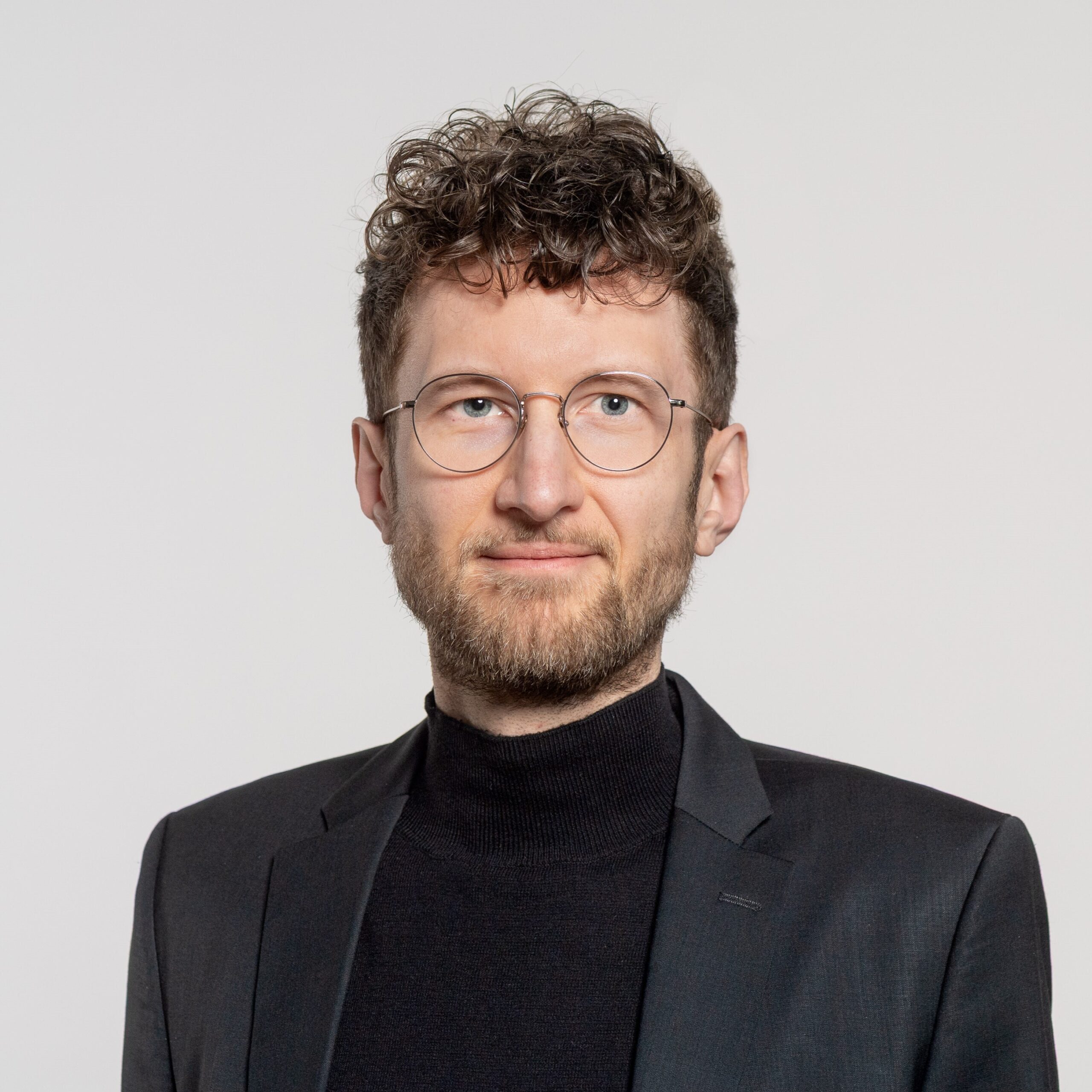
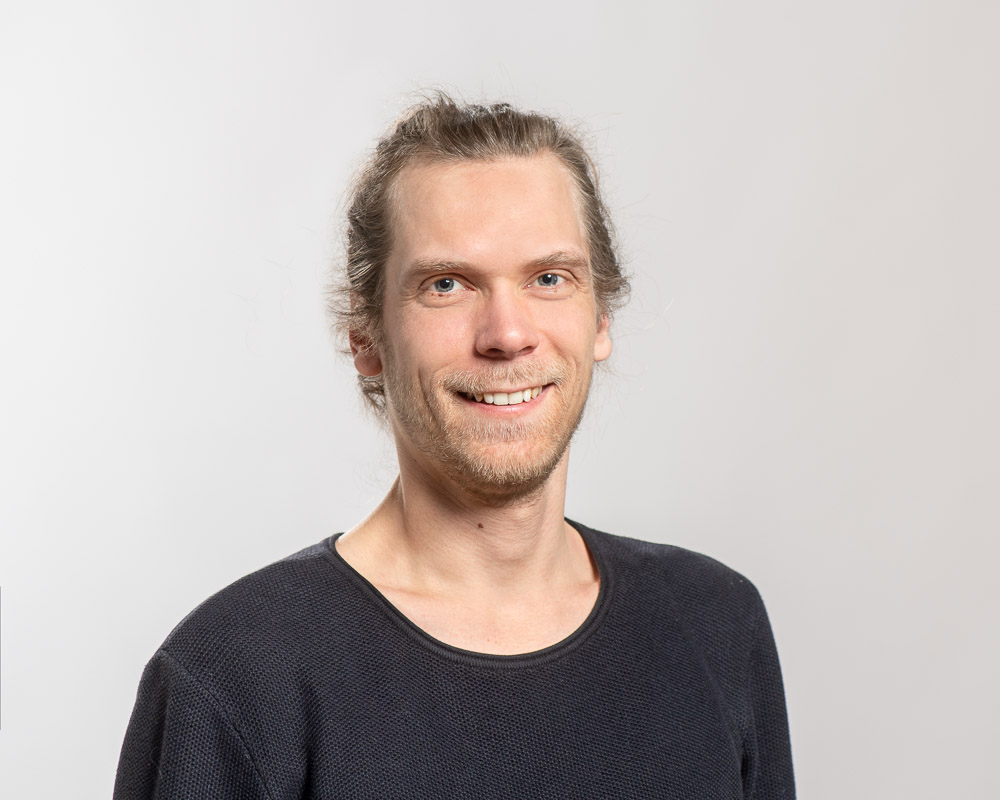
Dr. Alexander Wentland

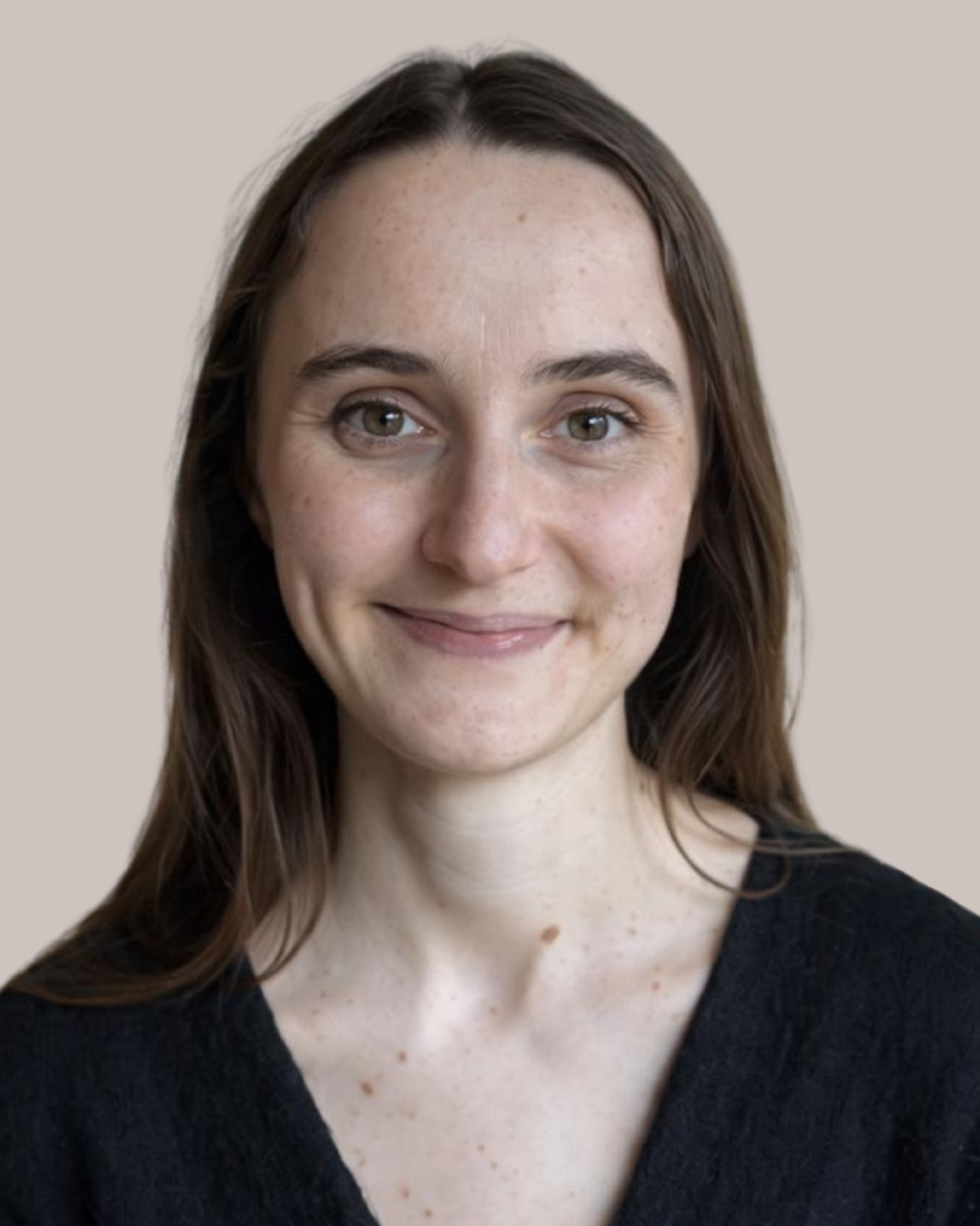
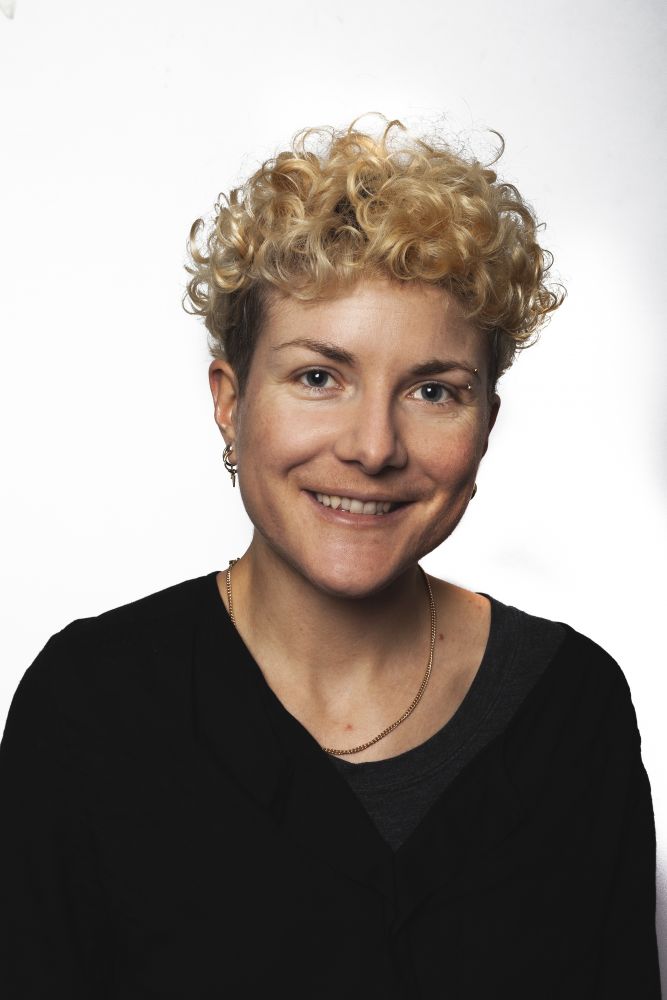
Dr. Stefanie Ruf

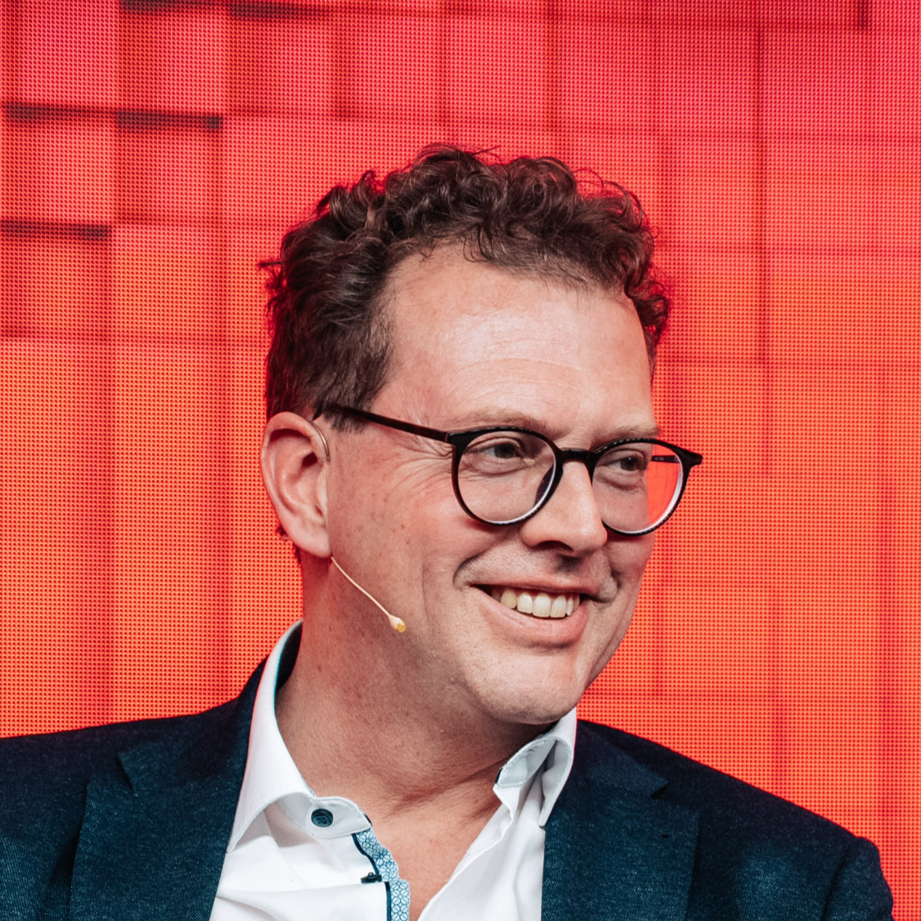
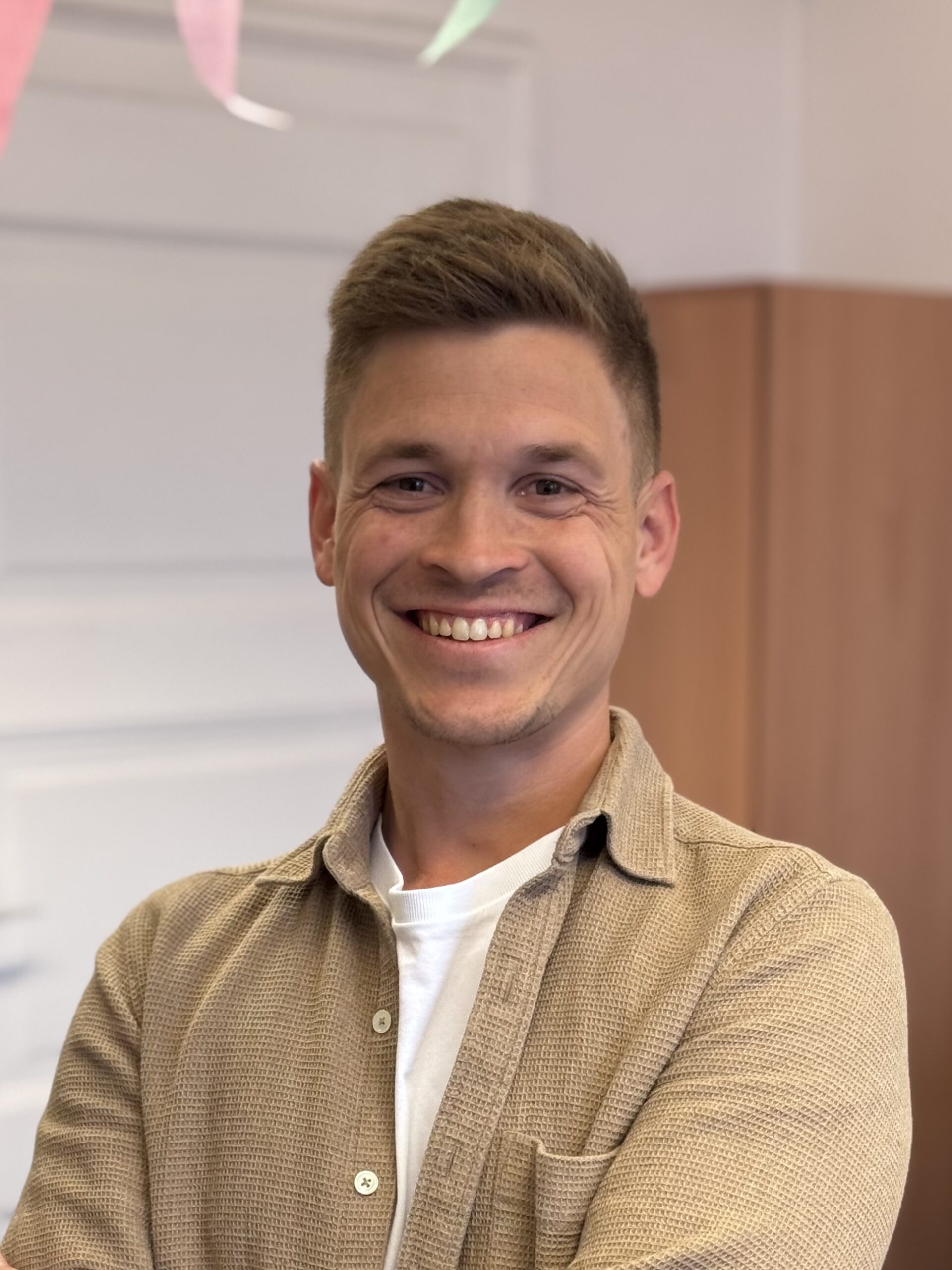
Dr. Rüdiger Eichin

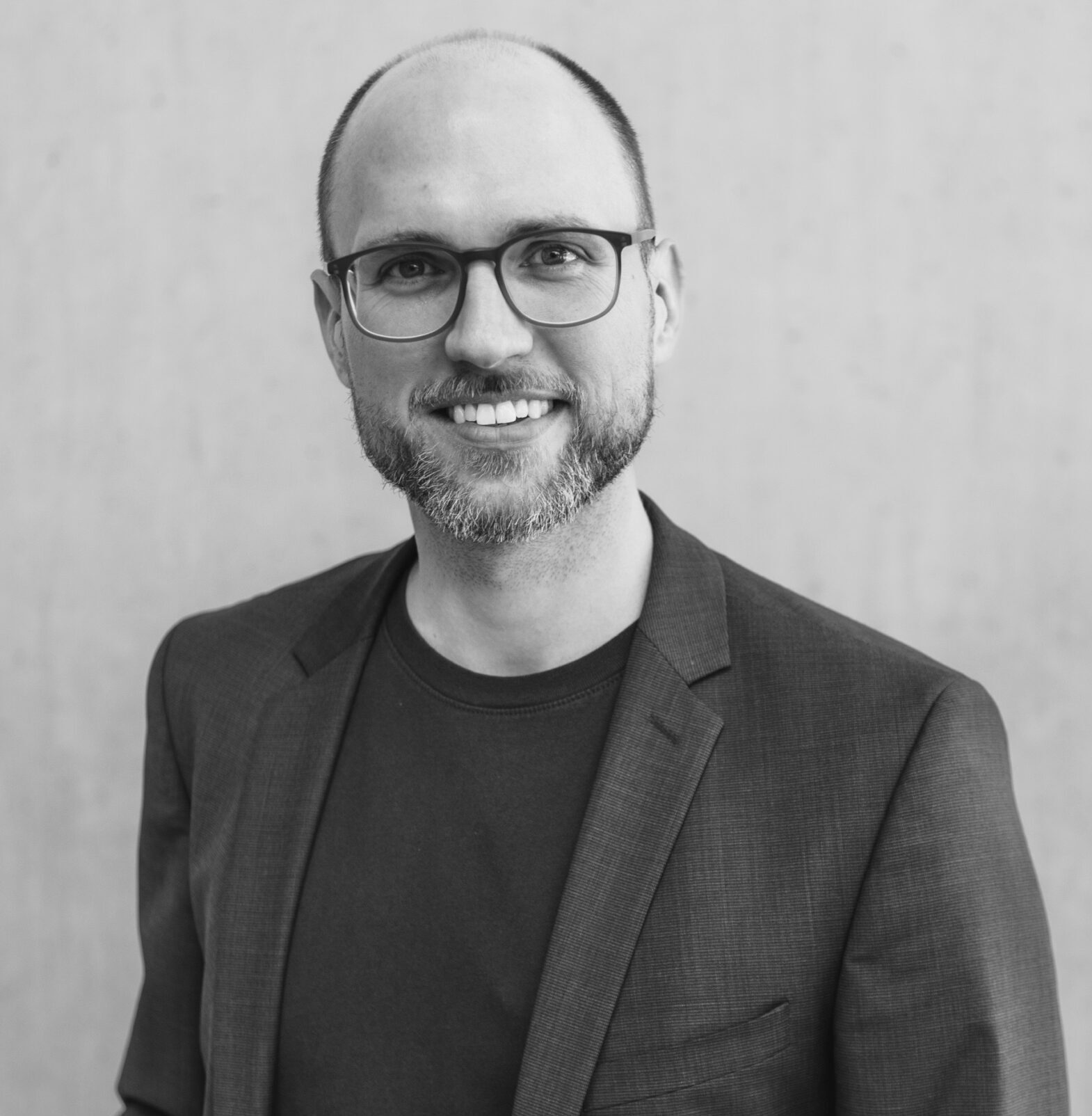
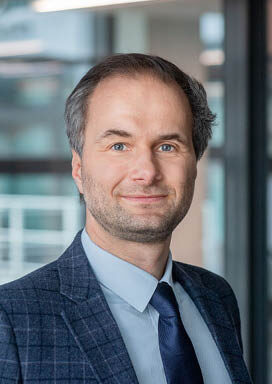
Dr. Bernhard Kalkbrenner

Dr. Michael Mögele

Dr. Franziska Meinherz

Patrick Diel

Prof. Dr. Sebastian Pfotenhauer

Benjamin Koller

Sebastian Wagner

Johannes Horvath

Manuel Jung

Andreas Schuster

Daniel Zwangsleitner

Jana Heese

Prof. Dr.sc. Benedikt Boucsein

Dr. Ulrich Scholl

Simone Aumann

Das Logo zeigt die Buchstaben "TUM" in großen, blauen Großbuchstaben in einer klaren, modernen serifenlosen Schrift. Die Buchstaben sind sehr breit und dicht aneinander gereiht.
SAP Logo: Weiße Großbuchstaben ‚SAP‘ auf blauem Hintergrund mit einer nach rechts oben auslaufenden Dreiecksform. Unten rechts befindet sich das eingekreiste ®-Symbol für die eingetragene Marke.
Logo der UnternehmerTUM, das aus einem blauen dreizeiligen Schriftzug besteht.
Das Foto zeigt das Logo des Allgemeinen Deutschen Fahrrad-Clubs
Logo mit dem Schriftzug 'GREEN CITY' in grüner, großer Schrift. Darunter steht in kleinerer grüner Schrift 'Der Verein'
Logo des Münchner Forums - Diskussionsforum für Entwicklungsfragen e.V.: Links steht in schwarzer Schrift vierzeiliger Schrift 'Münchner Forum Disskussionsforum für Entwicklungsfragen e.V.', daneben zeigt ein roter Pfeil nach rechts und durchquert zwei konzentrische Kreise – einen schwarzen und einen weißen.
Logo des Münchner Verkehrs- und Tarifverbunds (MVV). Links ein stilisiertes kreisförmiges Symbol in Blau und Grün, rechts daneben die Buchstaben „MVV“ in dunkelblauer Schrift
Logo des TÜV SÜD: Schwarze Schrift in einem silbernen Achteck, das von einem größeren blauen Achteck umrahmt wird.

Easy language

What is MOSAIQ?
Imagine something: There is more space for people. The streets have more trees and plants. Everyone can get around better. That's how your Schwabing-West district could be in the future. How would you like your district to be? We want to talk to you about it!

The project is called MOSAIQ. MOSAIQ is a research∙project. MOSAIQ means: Mobility and urban climate in the future city∙part. The Technical University of Munich is leading the project.

What is MOSAIQ about?
MOSAIQ wants to make the streets in the city∙part more beautiful. People should feel comfortable there. There should be more space. For meetings and plants, for example. You can help decide what is tried out in the Stadt∙teil. The ideas come from you. Some ideas will be tried out on the streets for a certain period of time.
The aim of MOSAIQ is to make urban districts good places to live.
At the same time, the climate in the city should improve. And people should be able to move around the city easily. 

What is happening in the district?

  • In the year 2025:
    The people in the district can participate. They can express their ideas. There are discussions, surveys and meetings. Researchers are also starting their work.
  • In the year 2026:
    Some ideas are tried out.
    They are moved around the streets for a certain period of time.
  • In the year 2027:
    The results are evaluated.
    Consideration is given to how things can continue∙.