ComfficientShare

Convenient and efficient electric vehicle and charging point sharing for urban neighborhoods

What did we do?

Neighborhood car sharing with electric vehicles in a real-world laboratory

As part of the project, we tested an innovative car-sharing model with electric vehicles under real-world conditions. The special feature of the approach was that the vehicles were not publicly accessible but were exclusively shared by a fixed group of neighbors.

The goal was to create a practical everyday alternative to the private car, combining the benefits of shared mobility with the convenience of your own car.

The real-world laboratory made it possible to observe the mobility behavior of participants over a longer period and gain valuable insights into the acceptance and use of shared electromobility.

How did we do it?

Long-term field trial of shared electric cars

Over a period of 18 months, we deployed five electric vehicles in the underground parking garage of a residential building. Participants could use the vehicles flexibly and free of charge; only the charging costs had to be covered. In return, households committed to foregoing private cars for the duration of the project.

The small and stable user group largely maintained the convenience of individual vehicle use, while the vehicles were utilized significantly more efficiently. Concurrently, we investigated user behavior, organizational processes, and the acceptance of the shared carsharing model in everyday life.


Why did we do it?

Fewer cars with the same level of comfort

In cities like Munich, many private vehicles sit unused in public spaces for most of the time, while parking is scarce and traffic space is increasingly strained. With the „ComfficientShare“ project, we wanted to investigate whether a neighborhood-organized car-sharing model can represent a practical and sustainable alternative to owning a private car.

The goal was to reduce the number of private vehicles without compromising the comfort and flexibility of individual mobility. At the same time, we explored how electric vehicles can be intelligently integrated into the power grid to reduce energy costs and balance peak loads in the grid.

Where did we do it?

Real-life laboratory in the Munich district of Nymphenburg

The real-world laboratory was conducted in a residential building with over 280 residential units in the Nymphenburg district of Munich. The residential building is owned by the Gemeinnütziger Wohnungsverein München 1899 e.V. (Non-profit Housing Association Munich 1899), with whom we worked closely throughout the entire project.

The real-life residential environment offered ideal conditions to test the car-sharing model under everyday circumstances and gain insights for future sustainable mobility concepts in urban areas.

Project partners

ComfficientShare relied on a team of science, business, society, and public authorities.

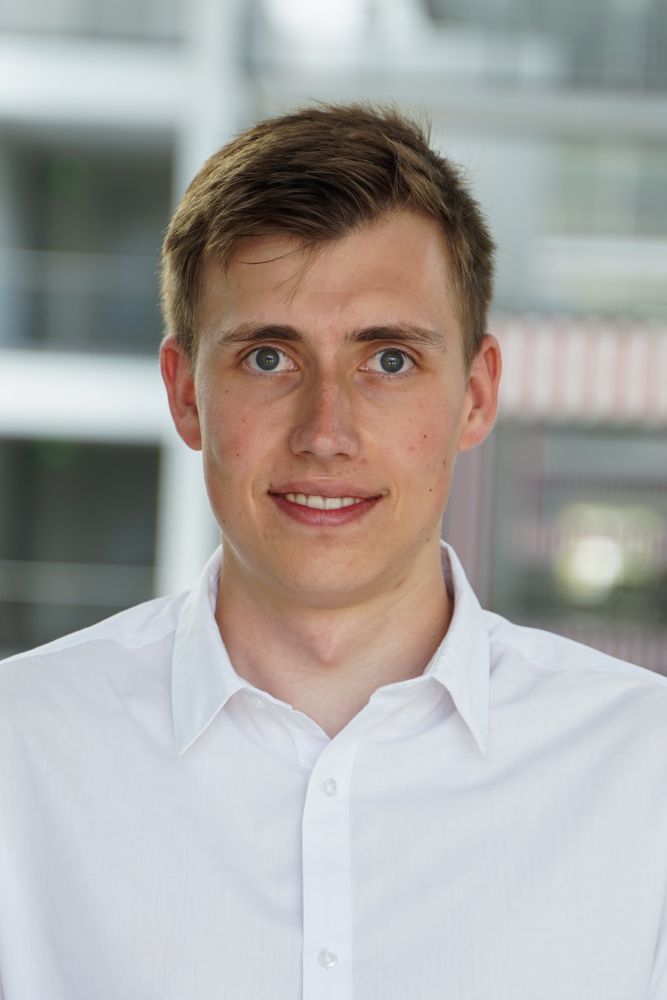
Brian Dietermann

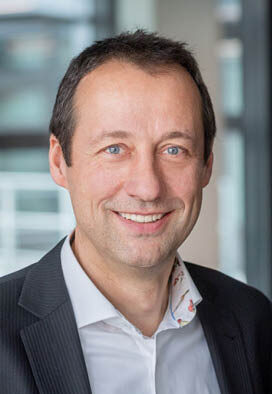
Prof. Dr.-Ing. Markus Lienkamp

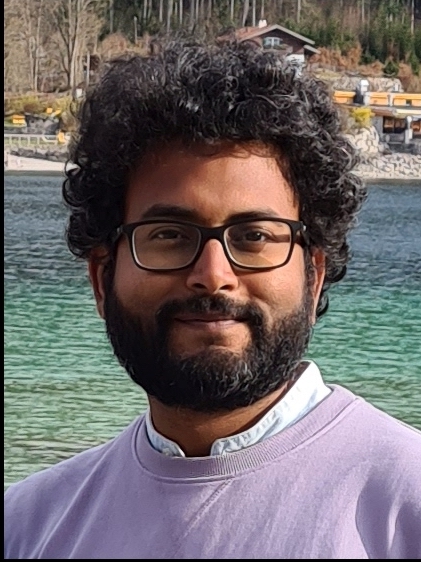
Anurag Mohapatra

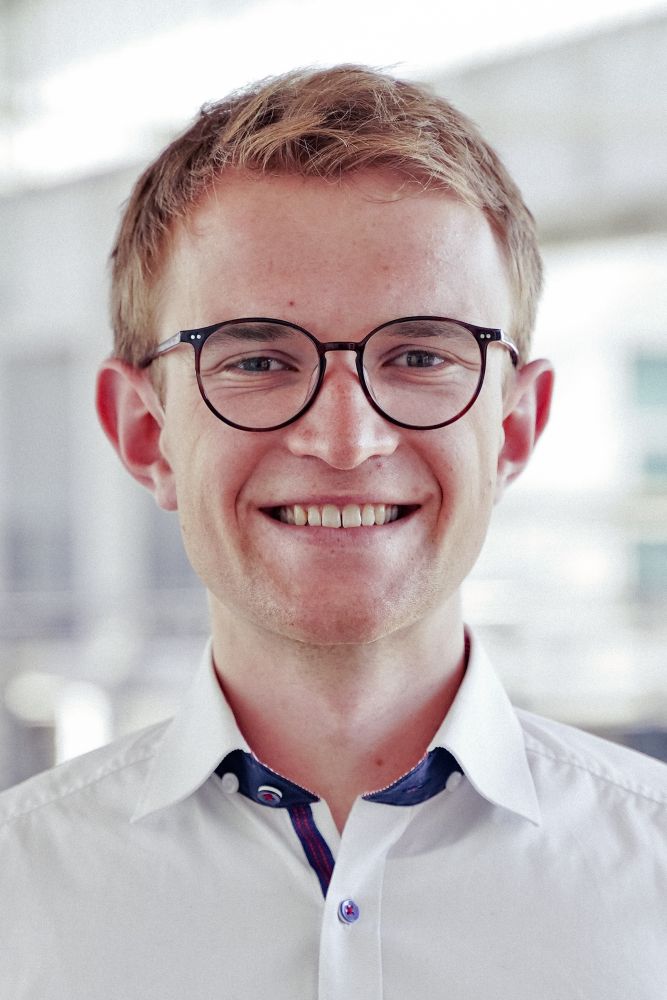
Nico Nachtigall

Michael Masnitza

Das Logo zeigt die Buchstaben "TUM" in großen, blauen Großbuchstaben in einer klaren, modernen serifenlosen Schrift. Die Buchstaben sind sehr breit und dicht aneinander gereiht.
Das Foto zeigt das Logo von Intech
Logo der Universitätsstadt Garching: Links befindet sich das Stadtwappen, rechts daneben ein zweizeiliger Schriftzug in grauer Großbuchstabenschrift: „UNIVERSITÄTSSTADT“ über „GARCHING“ (dreimal so groß). Am Ende steht ein schwarzer Punkt.

Easy language

What is MOSAIQ?
Imagine something: There is more space for people. The streets have more trees and plants. Everyone can get around better. That's how your Schwabing-West district could be in the future. How would you like your district to be? We want to talk to you about it!

The project is called MOSAIQ. MOSAIQ is a research∙project. MOSAIQ means: Mobility and urban climate in the future city∙part. The Technical University of Munich is leading the project.

What is MOSAIQ about?
MOSAIQ wants to make the streets in the city∙part more beautiful. People should feel comfortable there. There should be more space. For meetings and plants, for example. You can help decide what is tried out in the Stadt∙teil. The ideas come from you. Some ideas will be tried out on the streets for a certain period of time.
The aim of MOSAIQ is to make urban districts good places to live.
At the same time, the climate in the city should improve. And people should be able to move around the city easily. 

What is happening in the district?

  • In the year 2025:
    The people in the district can participate. They can express their ideas. There are discussions, surveys and meetings. Researchers are also starting their work.
  • In the year 2026:
    Some ideas are tried out.
    They are moved around the streets for a certain period of time.
  • In the year 2027:
    The results are evaluated.
    Consideration is given to how things can continue∙.