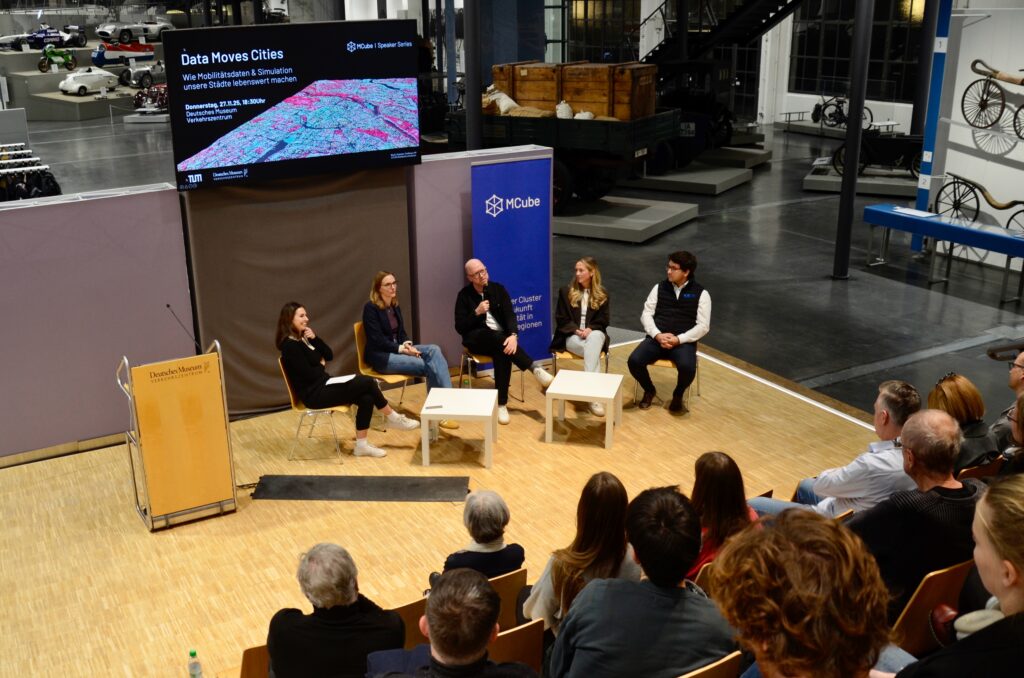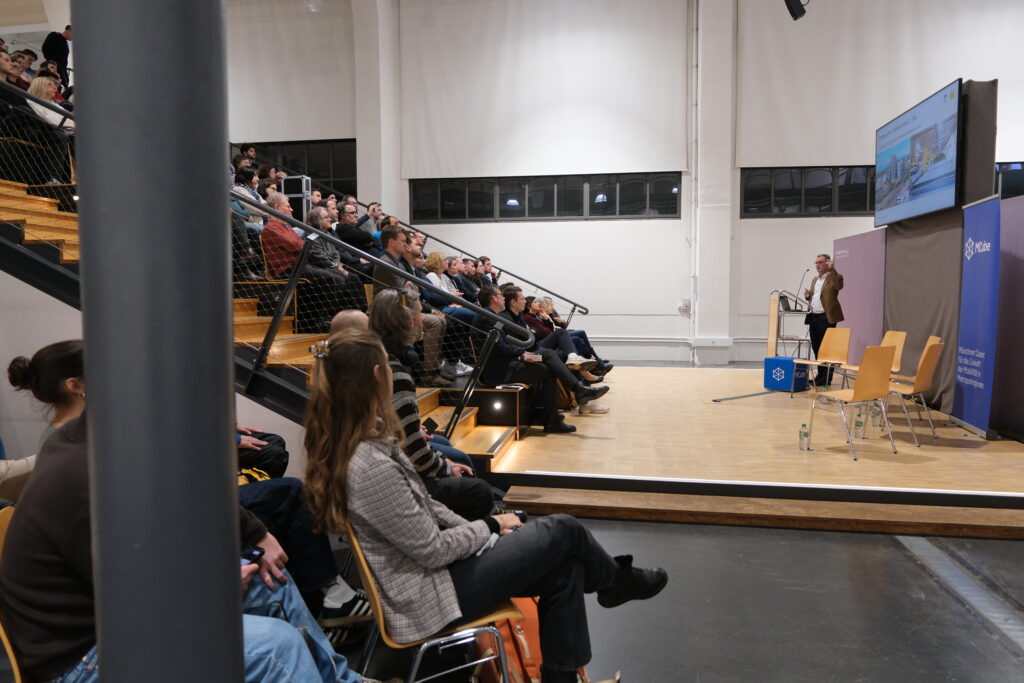
„Do you want to drive or do you have to drive?" - Katja Diehl opened the evening of the second SpeakerSeries "Future of Mobility" with this exciting question on May 23, 2022. It turns out that answering this question is not that easy. The fact is: many people don't have the option of being mobile without a car and this is exactly what Katja Diehl wants to encourage.
"What's it like here in Munich, we've heard what would be nice, now let's hear what's nice here" - With this sentence, the second mayor Katrin Habenschaden introduced her vision for mobility in Munich. The aspect of where Munich currently stands in terms of mobility was not neglected. There is still a lot to do for the future, but the first step has been taken. Although the city's hands are tied when it comes to many decisions, such as parking fees, the audience also commented during the discussion that the current pace of the mobility transition is too slow.
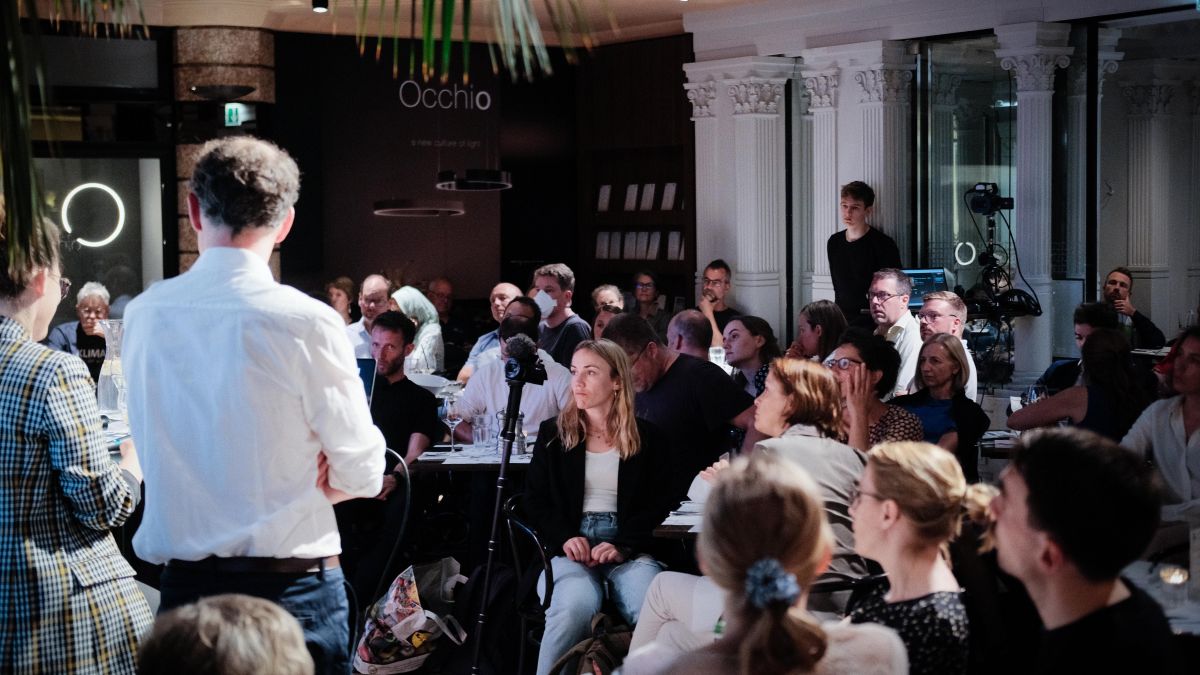
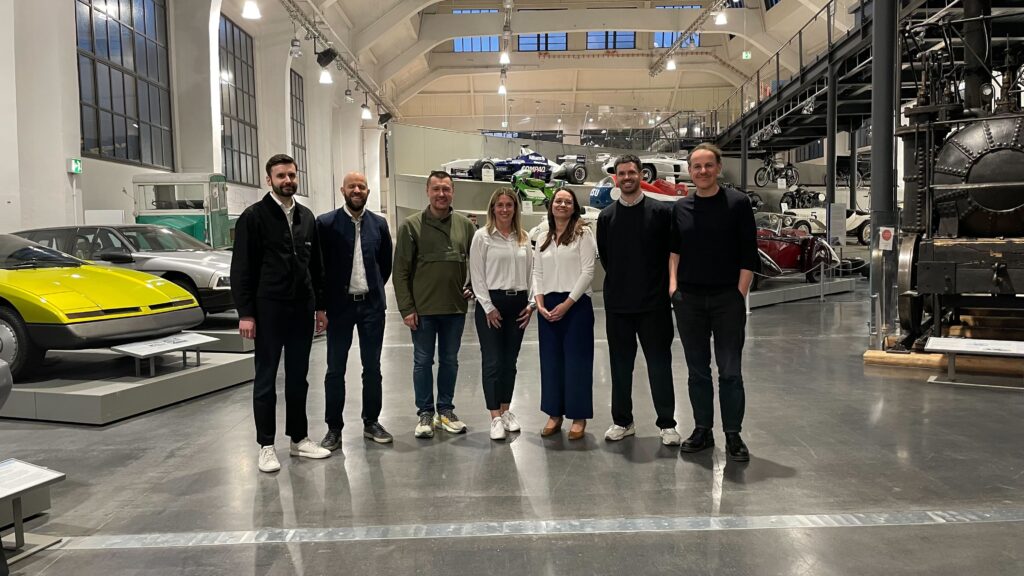
The second round of the SpeakerSeries also focused on the The future of mobility took center stage. After a short reading from their book Autokorrektur, Katja Diehl and Katrin Habenschaden addressed the question of how we can all achieve fair and equitable mobility that focuses on people rather than vehicles. Together with 200 guests, they then discussed what the city of tomorrow will look like
For all those who unfortunately could not be there yesterday, here is the Link to the recording!
About our speakers:
"The future of mobility" is a series of lectures by MCube - Munich Cluster for the future of Mobility in Metropolitan Regions Technical University of Munich openLAB Urban Mobility and in cooperation with the Deutsches Museum - Verkehrszentrum.
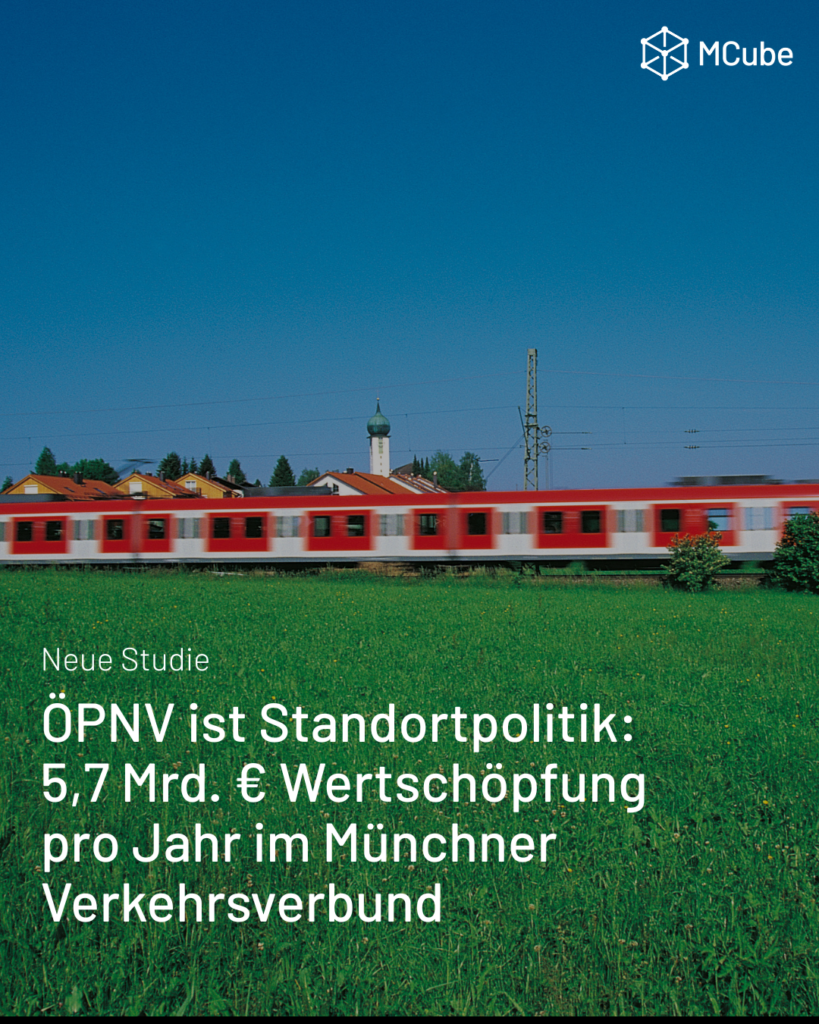
The new study shows: Every euro invested in public transport in the MVV generates almost four times the economic value added.
Electric, autonomous, networked: The logistics industry is facing a major transformation. The MCube Speaker Series at the Deutsches Museum discussed how this future can become reality.
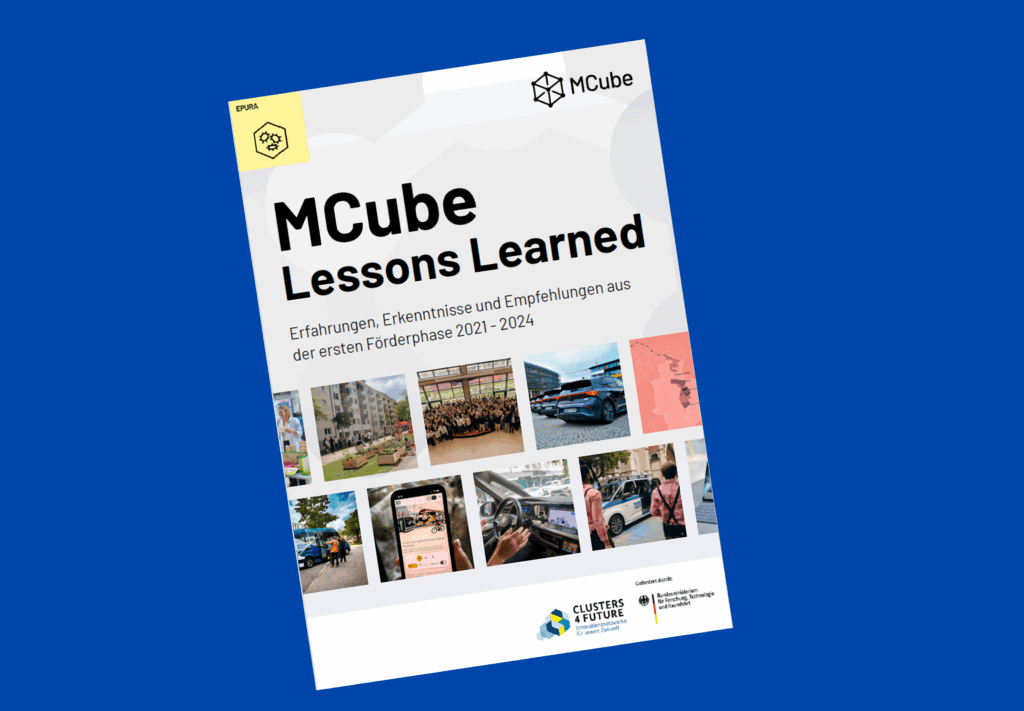
The lessons learned from the first MCube funding phase show which factors really drive projects forward - and where typical barriers arise.
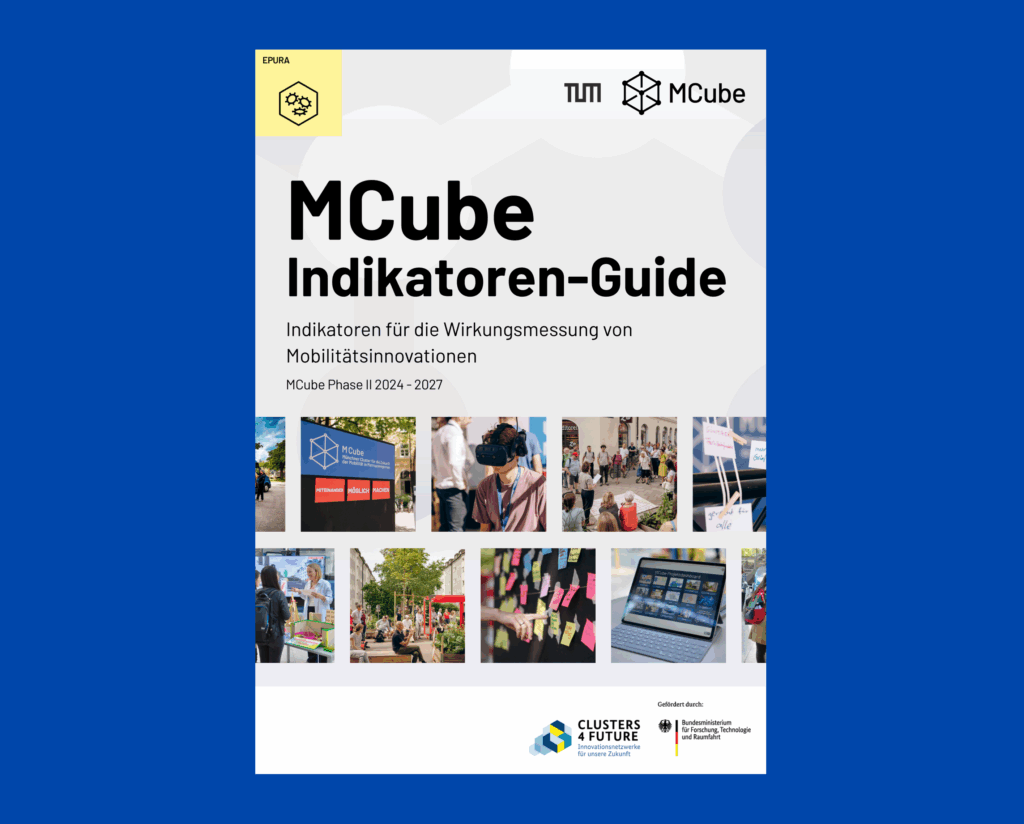
Creating transparency, proving impact, sharpening strategies - the new indicator guide supports precisely this.
For the first time in this format, students made their way to three European cities. They went to Stockholm, Tallinn/Helsinki and Barcelona.
This time, mobility in the cities of Ljubljana, Genoa and Utrecht was examined.
How can mobility data and simulations make cities more liveable - and change visible and tangible?
What do Brussels, Lisbon, Milan and Paris have in common?
Where to put cars, bicycles and e-scooters - and how do we organize parking space fairly, efficiently and sustainably?
The Mobi-Score - The hidden costs of mobility at a glance
No results available
What is MOSAIQ?
Imagine something: There is more space for people. The streets have more trees and plants. Everyone can get around better. That's how your Schwabing-West district could be in the future. How would you like your district to be? We want to talk to you about it!
The project is called MOSAIQ. MOSAIQ is a research∙project. MOSAIQ means: Mobility and urban climate in the future city∙part. The Technical University of Munich is leading the project.
What is MOSAIQ about?
MOSAIQ wants to make the streets in the city∙part more beautiful. People should feel comfortable there. There should be more space. For meetings and plants, for example. You can help decide what is tried out in the Stadt∙teil. The ideas come from you. Some ideas will be tried out on the streets for a certain period of time.
The aim of MOSAIQ is to make urban districts good places to live.
At the same time, the climate in the city should improve. And people should be able to move around the city easily.
What is happening in the district?