Imagine: A campus where sustainable mobility is a matter of course. Less car traffic, more space for movement, encounters and new ideas.
A place where digital solutions and new mobility services make everyday life easier and more environmentally friendly.
Aim of the project
We are planning a Future Mobility Campus in Garching
The project aims to sustainably change mobility behavior on the TUM research campus in Garching. Through digital and physical interventions and the active involvement of campus users, we are developing and testing sustainable, multimodal mobility solutions.
Together, they are creating a vision for a campus that promotes environmentally friendly, fair and attractive mobility.
The project focuses on the following areas:
Promotion of sustainable mobility behavior
Through digital mobility management, we create targeted incentives for sustainable mobility decisions. Users are motivated to choose environmentally friendly means of transport and try out new mobility options.
Participatory campus version
In a participatory process, we are working with students, employees and other user groups to develop a shared vision for the Garching campus. Different mobility needs are made visible and principles of mobility justice are integrated.
Innovative mobility services
New mobility options are being introduced and tested in real-life operations. These include automated shuttles, which open up new perspectives for public transport on campus, particularly at off-peak times.
Digital solutions and evaluation
We build a central database, analyze mobility data and evaluate the impact of the measures using existing and new indicators. The results are visualized and serve as a basis for well-founded decisions and possible scaling.
Communication and participation
Open communication accompanies the entire project. Key stakeholders and, in particular, students and employees are actively involved in order to jointly develop sustainable mobility solutions and anchor them in the long term.
Testing room
Research campus Garching
Project partners
ReFuMoLab_Garching relies on collaboration
In ReFuMoLab_Garching, experienced partners from science, administration and business work together under the leadership of the Technical University of Munich.
Science
Chair of Traffic Engineering at the Technical University of Munich
At the Chair of Traffic Engineering at TUM, we deal with the analysis, modeling and design of traffic systems. The focus is on the mobility of people and goods, the interaction of different modes of transport and the use of technical and digital solutions to control and optimize transport processes. We are particularly interested in future-proof, efficient and sustainable mobility concepts.
Chair of Automotive Engineering at the Technical University of Munich
At the Chair of Automotive Technology (FTM) at TUM, we are researching the mobility behavior of users in the „Smart Mobility“ working group by collecting and analyzing data and developing new mobility systems based on this. With the help of simulations, we can model users, vehicles and infrastructure and evaluate future scenarios. The „Autonomous Vehicles“ and „Electric Vehicles“ working groups, which are also based at the Chair, expand our knowledge along the entire value chain of automotive mobility.
Regionalverkehr Oberbayern (RVO) is part of DB Regio AG and operates regular and school buses, commuter services as well as special and rail replacement services in Upper Bavaria and neighboring regions. With an extensive bus network, many stops and flexible on-demand services, RVO ensures that people can get to work, school and leisure reliably, efficiently and sustainably. In addition, RVO creates customized mobility concepts and analyses for districts, cities and sub-regions - individually tailored to the needs of each region.
SAP SE
SAP is a leading global software and technology company specializing in enterprise solutions for business processes, data analysis and digital transformation. With its platforms and cloud solutions, SAP supports companies, administrations and cities in using data efficiently, networking processes and making data-based decisions. In the area of mobility and smart cities, SAP provides tools for digital traffic planning, fleet management and sustainable use of resources to make urban mobility more efficient, connected and sustainable.
Siemens AG
Siemens is a leading international technology company that develops solutions for industry, energy, infrastructure and mobility. In the field of urban mobility, Siemens offers intelligent transportation systems, digital platforms and automated control solutions that make cities more efficient, sustainable and connected. Through the use of sensor technology, data analysis and digitalization, Siemens supports the planning, control and optimization of transport infrastructure and thus contributes to safe, reliable and future-proof mobility.
Associated partners
City of Garching near Munich
As a municipality, the city of Garching near Munich shapes local infrastructure, urban development and public services. It places particular emphasis on sustainable mobility, modern transportation planning and digital solutions to make the everyday lives of citizens efficient and environmentally friendly. Through strategic urban planning, cooperation with research and business and innovative projects, Garching contributes to the development of sustainable, liveable and connected urban spaces.
TUM Sustainability Office
The TUM Sustainability Office supports TUM in implementing sustainable strategies in research, teaching, administration and campus operations. It develops concepts for resource efficiency, climate-friendly mobility, energy and waste management and sustainable infrastructure. Through consulting, project funding and cooperation, the Office contributes to making the university an environmentally conscious, sustainable and socially responsible place of learning and research.
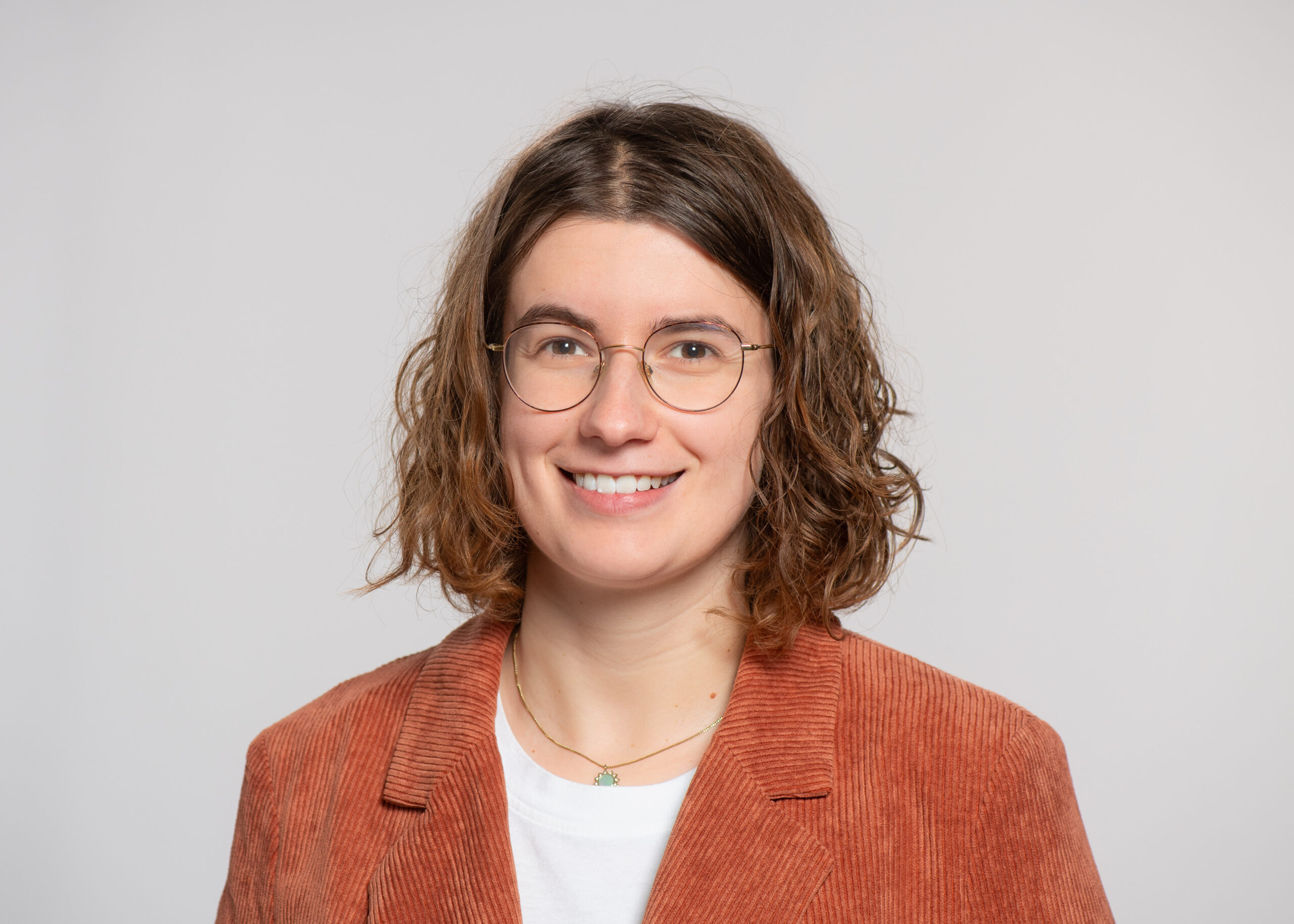
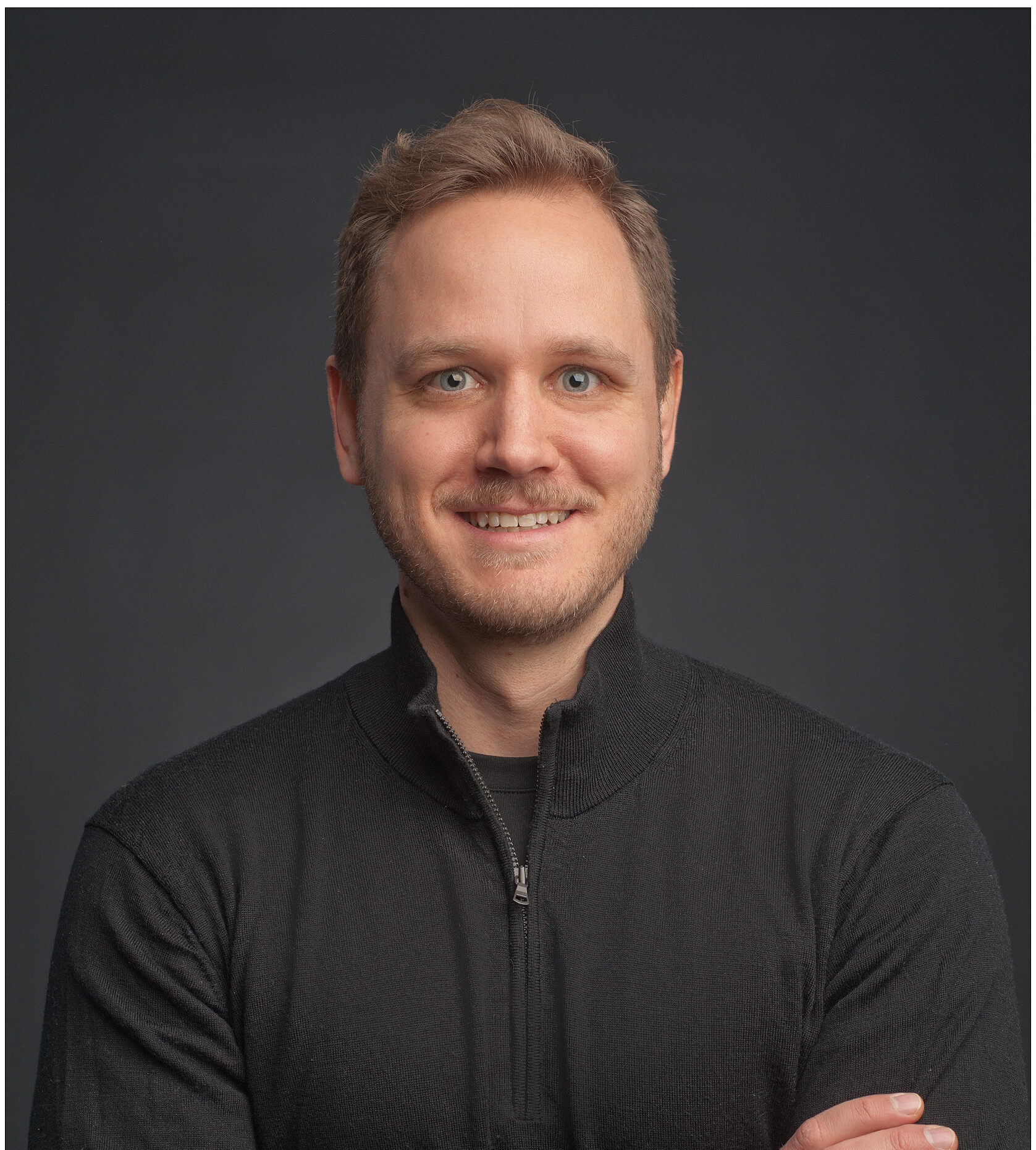
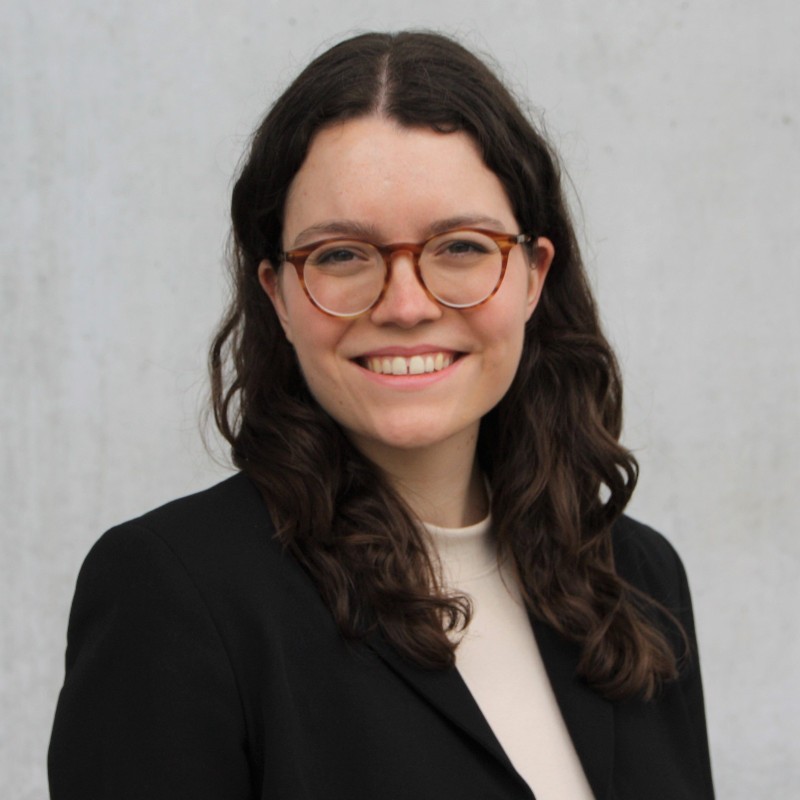
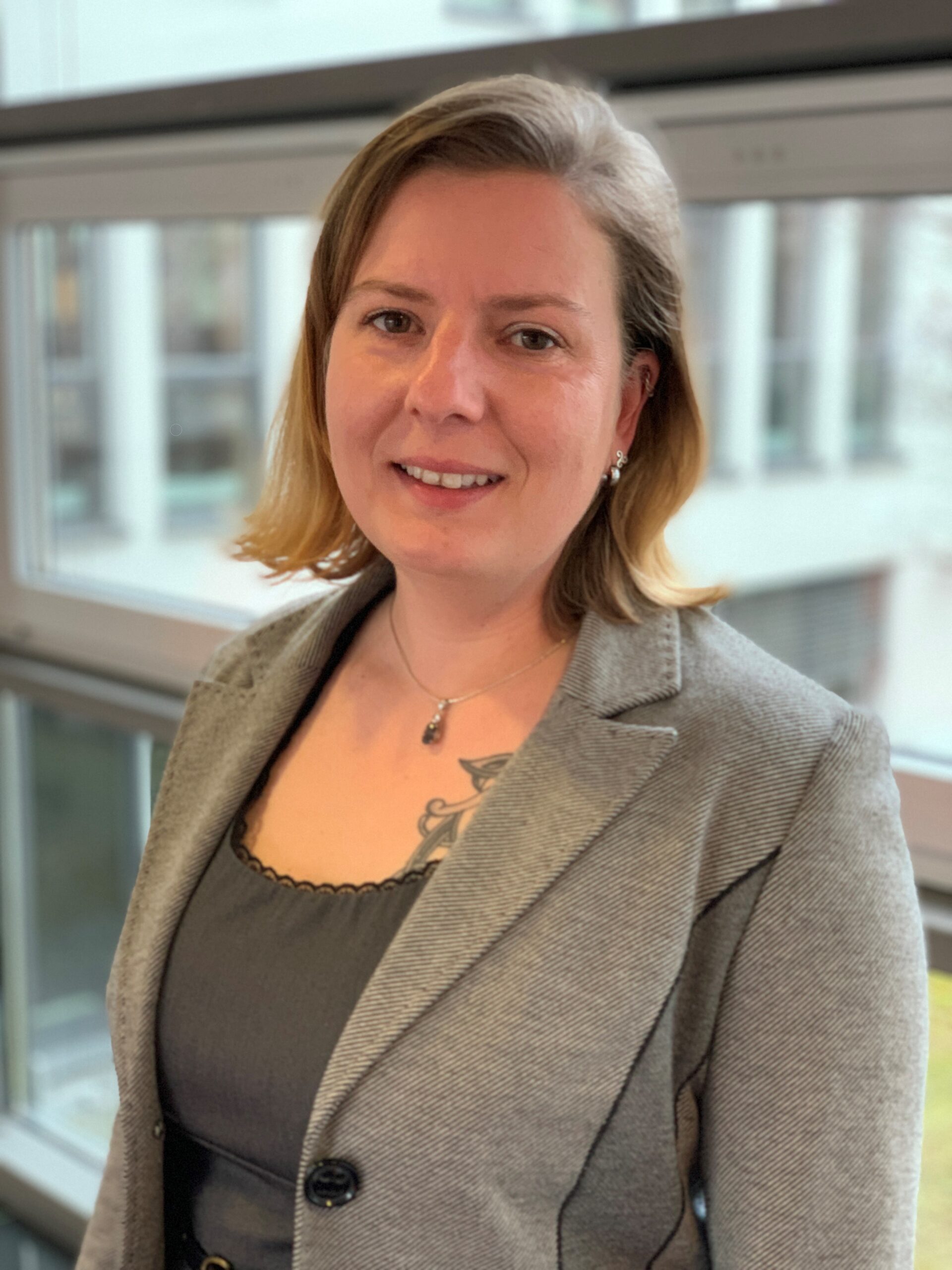
ReFuMoLab_Garching Team
Anke Ye
Anna Maria Löffler
Dr. Timo Böttcher
Isabella Waldorf
Katrin Lippoldt
Lars Pernickel
Ludger Jürgens
Niklas Gritsch
Svetlana Zubareva
Ulrich Glöckl
There are no results matching your search
Become a part of MCube!
Are you interested in working with MCube? Feel free to get in touch with us then.
Contact form
Easy language
What is MOSAIQ? Imagine something: There is more space for people. The streets have more trees and plants. Everyone can get around better. That's how your Schwabing-West district could be in the future. How would you like your district to be? We want to talk to you about it!
The project is called MOSAIQ. MOSAIQ is a research∙project. MOSAIQ means: Mobility and urban climate in the future city∙part. The Technical University of Munich is leading the project.
What is MOSAIQ about? MOSAIQ wants to make the streets in the city∙part more beautiful. People should feel comfortable there. There should be more space. For meetings and plants, for example. You can help decide what is tried out in the Stadt∙teil. The ideas come from you. Some ideas will be tried out on the streets for a certain period of time. The aim of MOSAIQ is to make urban districts good places to live. At the same time, the climate in the city should improve. And people should be able to move around the city easily.
What is happening in the district?
In the year 2025: The people in the district can participate. They can express their ideas. There are discussions, surveys and meetings. Researchers are also starting their work.
In the year 2026: Some ideas are tried out. They are moved around the streets for a certain period of time.
In the year 2027: The results are evaluated. Consideration is given to how things can continue∙.