Lorem ipsum dolor sit amet, consetetur sadipscing elitr, sed diam nonumy eirmod tempor invidunt ut labore et dolore magna aliquyam erat, sed diam voluptua. At vero eos et accusam et justo duo dolores et ea rebum.
Lorem ipsum dolor sit amet, consetetur sadipscing elitr, sed diam nonumy eirmod tempor invidunt ut labore et dolore magna aliquyam erat, sed diam voluptua. At vero eos et accusam et justo duo dolores et ea rebum.
Lorem ipsum dolor sit amet, consetetur sadipscing elitr, sed diam nonumy eirmod tempor invidunt ut labore et dolore magna aliquyam erat, sed diam voluptua. At vero eos et accusam et justo duo dolores et ea rebum.
ASUR -
Autonomous and networked linking of city, surrounding area & region
What is ASUR?
Imagine mobility that adapts flexibly to your everyday life - whether in the city, in the countryside or in the country.
This is exactly what ASUR is researching: autonomous, demand-oriented mobility services that pick people up exactly when and where they need them.
Aim of the project
We design autonomous mobility for urban and rural areas
In the ASUR project, we are researching how autonomous, demand-oriented mobility models (ABM) can better connect cities, surrounding areas and rural regions.
The aim is to develop sustainable, flexible mobility solutions that are geared towards people's actual needs and complement existing transportation systems in a meaningful way.
The project focuses on the following areas:
Demand-oriented autonomous mobility
We are investigating how autonomous on-demand mobility services can be designed to efficiently serve different demand profiles in urban and rural areas and create new accessibility options.
Simulation and optimization
A comprehensive 3D simulation and optimization system enables the strategic, tactical and operational planning of autonomous mobility solutions. This allows various scenarios to be realistically mapped and evaluated.
Testing autonomous mobility in everyday life
We test autonomous shuttles in real-life operation in real laboratories. In doing so, we analyze the functionality, acceptance and performance of the systems under everyday conditions.
Connecting the city, surrounding countryside and rural areas
A particular focus is on improving connections to rural and suburban areas. Autonomous mobility services are intended to close existing transport gaps and facilitate access to central locations.
Recommendations for action in practice
Based on the findings, we develop concrete recommendations for municipalities, transport planners and other stakeholders - for example on route planning, cost estimation, scaling potential and technological challenges.
Dissemination / Publications
Dissmination
Lorem Ipsum
Lorem ipsum dolor sit amet, consetetur sadipscing elitr, sed diam nonumy eirmod tempor invidunt ut labore et dolore magna aliquyam erat, sed diam voluptua. At vero eos et accusam et justo duo dolores et ea rebum.
Lorem ipsum dolor sit amet, consetetur sadipscing elitr, sed diam nonumy eirmod tempor invidunt ut labore et dolore magna aliquyam erat, sed diam voluptua. At vero eos et accusam et justo duo dolores et ea rebum.
Lorem ipsum dolor sit amet, consetetur sadipscing elitr, sed diam nonumy eirmod tempor invidunt ut labore et dolore magna aliquyam erat, sed diam voluptua. At vero eos et accusam et justo duo dolores et ea rebum.
We are testing and optimizing autonomous driving in selected districts
Project partners
ASUR relies on Collaboration
Experienced partners from science, administration, business and society work together in ASUR under the leadership of the Technical University of Munich.
Science
Professorship for Autonomous Vehicle Systems at the Technical University of Munich
At the Chair of Autonomous Vehicle Systems at the Technical University of Munich (TUM), we research autonomous and semi-automated driving with a focus on intelligent vehicle and system architectures, safety and behavior models as well as sensor-based perception and planning. Using experiments, simulations and real test drives, we develop methods to guide vehicles safely, efficiently and reliably through complex traffic situations. The aim is to design innovative vehicle systems, AI-supported control algorithms and robust software solutions for the mobility of the future and to provide students with practical training for this.
Chair of Automotive Engineering at the Technical University of Munich
At the Chair of Automotive Technology (FTM) at TUM, we are researching the mobility behavior of users in the „Smart Mobility“ working group by collecting and analyzing data and developing new mobility systems based on this. With the help of simulations, we can model users, vehicles and infrastructure and evaluate future scenarios. The „Autonomous Vehicles“ and „Electric Vehicles“ working groups, which are also based at the Chair, expand our knowledge along the entire value chain of automotive mobility.
Professorship for Business Analytics and Intelligent Systems at the Technical University of Munich
The professorship is part of the TUM School of Management in the Department of Operations & Technology and focuses on research and teaching at the interface of data analysis, artificial intelligence and business applications. We combine modern data and AI methods with business management issues to enable better decisions in companies and organizations.
Freisinger Stadtwerke Parkhaus und Verkehrs-GmbH is a municipal company in Freising that operates municipal parking garages and public transportation on behalf of the city of Freising. This includes the management of the city center parking areas, the operation of the parking garages and the city bus service. We ensure that parking facilities are available for visitors, commuters and residents and develop services such as cell phone parking and modern parking machines to make parking in Freising convenient and modern.
Muniq Design GmbH
Muniq Design GmbH is a design and development company that supports customers - particularly from the mobility and automotive industries - in the design and implementation of innovative products. This includes concept and product design, 3D visualization, virtual reality prototypes, surface and structural development (class A surfacing) as well as engineering support services from the first draft to the finished design concept. The company supports projects throughout the entire development process in order to make creative visions technically feasible and marketable.
Regionalverkehr Oberbayern Gmbh
Regionalverkehr Oberbayern (RVO) is part of DB Regio AG and operates regular and school buses, commuter services as well as special and rail replacement services in Upper Bavaria and neighboring regions - some of which also cross the border into Austria. With an extensive bus network, many stops and flexible on-demand services, RVO ensures that people get to work, school and leisure reliably, efficiently and sustainably.
Stadtwerke München GmbH (SWM)
Stadtwerke München supplies the Bavarian capital and the region with energy, drinking water, telecommunications and public transport. We contribute to a networked and sustainable urban infrastructure via the subway, bus and streetcar. We rely on renewable energies and digital solutions to shape sustainable cities.
Society
ADAC e.V.
The ADAC e.V. represents the interests of motorists and mobility users and promotes safety, efficiency and sustainability in road traffic. Among other things, we offer vehicle tests, legal advice, tourism information and road safety projects. With data analyses, studies and publications, we support politicians, researchers and the public in making decisions on mobility, transport and innovative transport systems.
Associated partners
City of Munich
The City of Munich is the central administrative and governmental institution of the Bavarian capital. It manages the municipal infrastructure, develops urban planning and provides services in areas such as education, culture, health, urban development and mobility. With strategic planning, digital services and sustainable projects, the city administration contributes to continuously improving the quality of life, efficiency and environmental compatibility in Munich.
HOLON GmbH
HOLON GmbH is a German mobility and vehicle company that specializes in the development and production of fully electric, autonomous vehicles (movers) for local public transport and flexible mobility services. As a spin-off of the BENTELER Group, HOLON combines the agility of a start-up with the experience of the automotive industry and works with partners on safe, emission-free and inclusive transportation solutions. These include autonomous shuttles that are to be used in cities, on campuses or for on-demand services to make the urban mobility of tomorrow more sustainable and accessible.
INYO Mobility GmbH
INYO Mobility GmbH develops and builds electric, autonomous lightweight shuttles for public transportation, especially for the first and last mile between stops, homes and workplaces. Its core product, the INYO CAB, is a software-defined, connected vehicle that uses state-of-the-art sensor technology and automation to offer flexible, sustainable and barrier-free mobility solutions for urban and rural areas. Through digital networking and cost-efficient vehicle concepts, INYO aims to shape the mobility of the future for people and cities.
ASUR Team
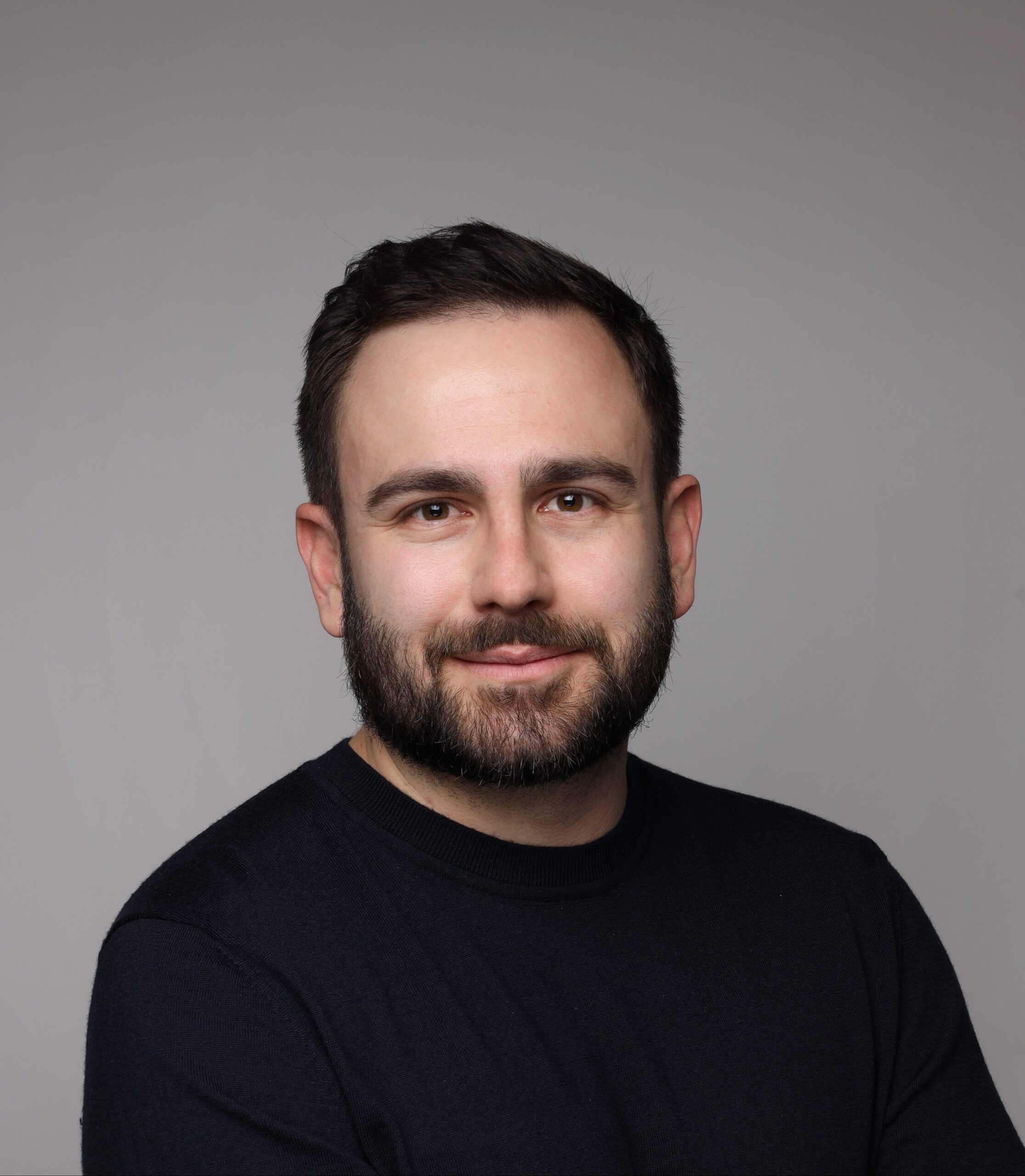
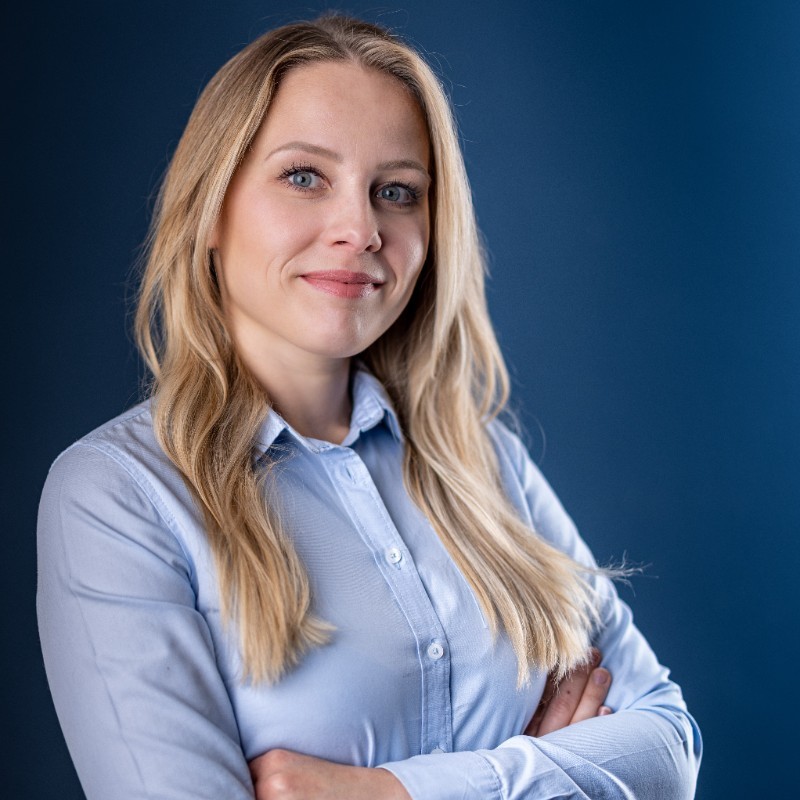
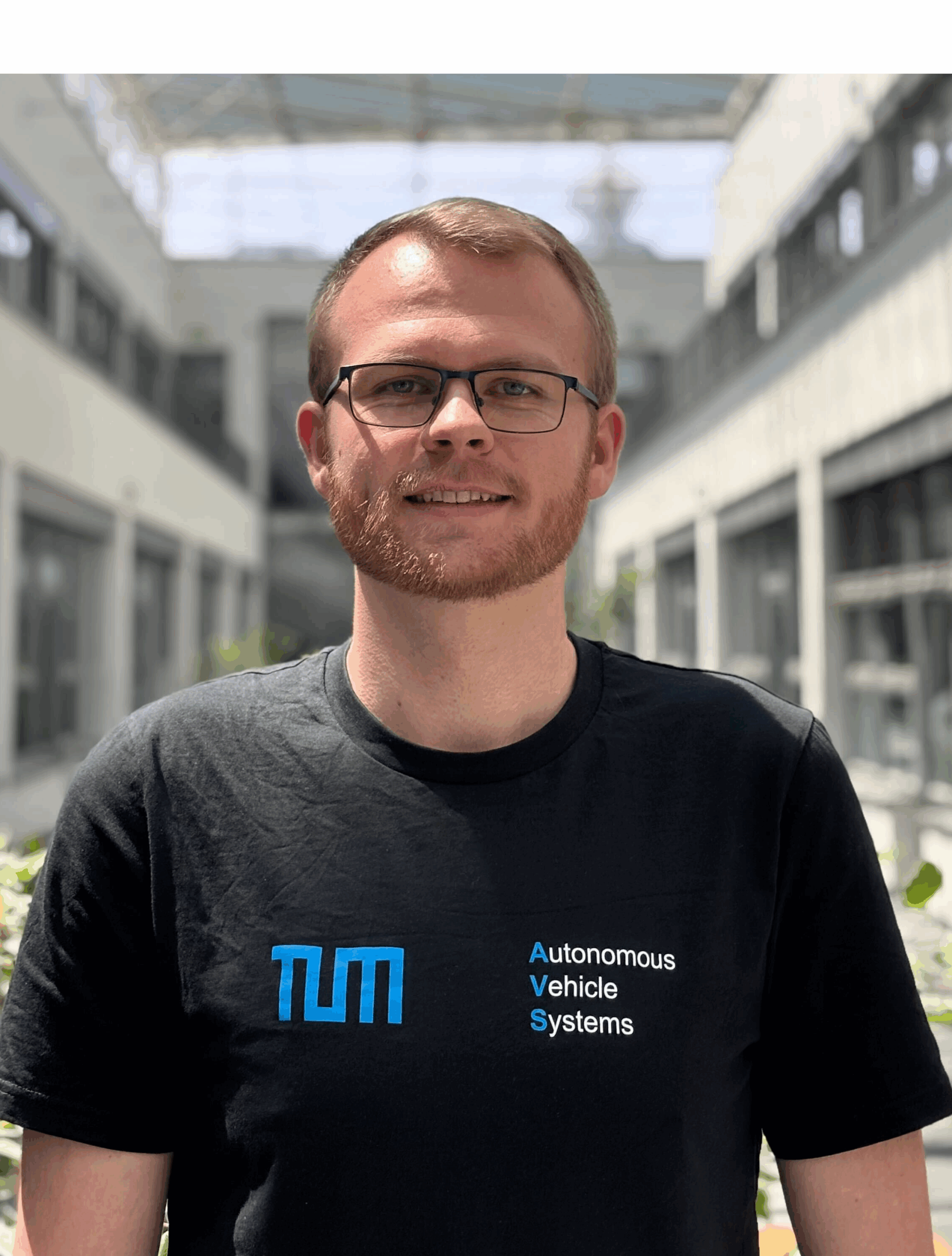
Alessandro Binetti
Andreas Rigling
Carina Niedermeier
David Gordon
Kristina Ritter
Markus Dietl
Marvin Seegert
Prof. Dr. Maximilian Schiffer
Prof. Dr.-Ing. Johannes Betz
Stefan Kretzschmar
There are no results matching your search
Become a part of MCube!
Are you interested in working with MCube? Then please get in touch with us.
Contact form
Easy language
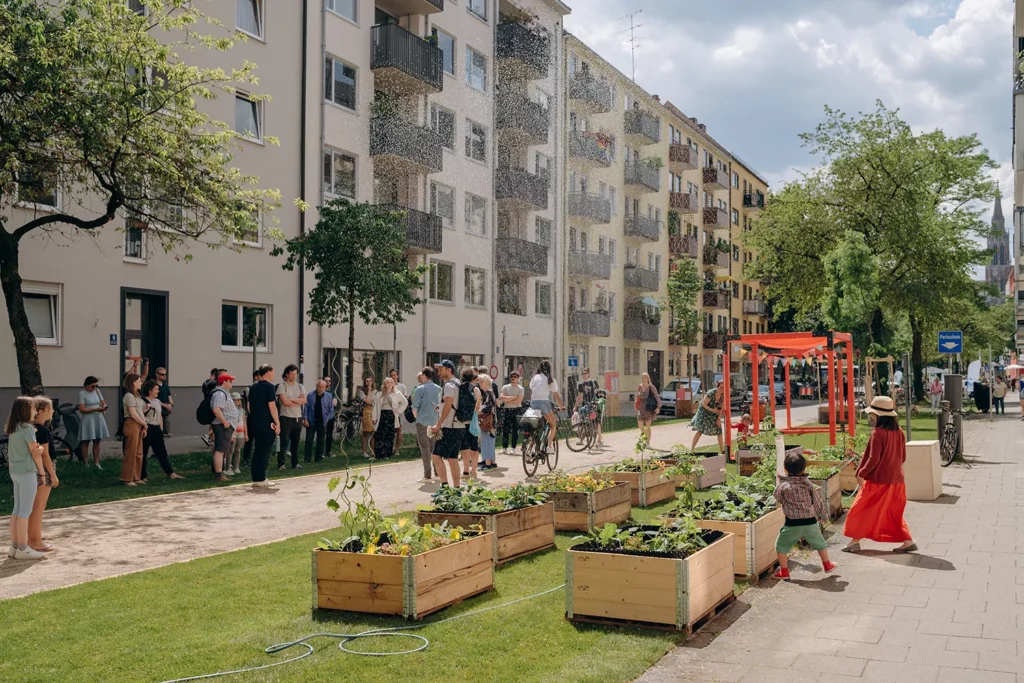
What is MOSAIQ? Imagine something: There is more space for people. The streets have more trees and plants. Everyone can get around better. That's how your Schwabing-West district could be in the future. How would you like your district to be? We want to talk to you about it!
The project is called MOSAIQ. MOSAIQ is a research∙project. MOSAIQ means: Mobility and urban climate in the future city∙part. The Technical University of Munich is leading the project.
What is MOSAIQ about? MOSAIQ wants to make the streets in the city∙part more beautiful. People should feel comfortable there. There should be more space. For meetings and plants, for example. You can help decide what is tried out in the Stadt∙teil. The ideas come from you. Some ideas will be tried out on the streets for a certain period of time. The aim of MOSAIQ is to make urban districts good places to live. At the same time, the climate in the city should improve. And people should be able to move around the city easily.
What is happening in the district?
In the year 2025: The people in the district can participate. They can express their ideas. There are discussions, surveys and meetings. Researchers are also starting their work.
In the year 2026: Some ideas are tried out. They are moved around the streets for a certain period of time.
In the year 2027: The results are evaluated. Consideration is given to how things can continue∙.