What makes innovation projects really successful?
Innovation projects are complex. Different stakeholders, different interests, new ideas - and often unclear paths to the goal. But which factors actually contribute to success? And where are the typical stumbling blocks? The Lessons learned from the first MCube funding phase provide well-founded answers.
Driver & Barrier: Making success factors visible
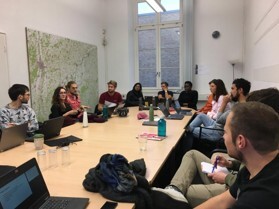
As part of the MCube process evaluation, the factors that promoted the achievement of objectives in the projects (Driver) - and which ones inhibit them (Barrier) - have. Overall twelve learning history focus groups with project teams from science, business and administration formed the basis of the analysis. Together, key experiences were reflected upon, challenges openly discussed and concrete solutions developed.
The evaluation team bundled these findings and condensed them into clear, practical lessons learned.
The result: a sound knowledge base that can strengthen future MCube projects - and comparable transdisciplinary innovation projects - in a targeted manner.
Reflecting together - improving together
The lessons learned were developed in a transdisciplinary exchange format that consciously brings together different perspectives. This change of perspective is particularly crucial in complex innovation processes:
-
Structural hurdles are recognized early on
-
Success factors can be systematically strengthened
-
Project processes can be strategically developed further
The Learning History focus groups are part of the Transdisciplinary Process Evaluation (TPE), which was carried out in every MCube project. It creates a structured space for reflection - and makes implicit experiential knowledge explicitly usable.
Learning for the next funding phase - and beyond
With the lessons learned, MCube not only creates transparency about past processes, but also lays the foundation for the next funding phase. The results support the strategic further development of the cluster and promote the overarching transfer of experience and knowledge.
After all, real innovation is not only created through new ideas - but also through the ability to systematically learn from experience.
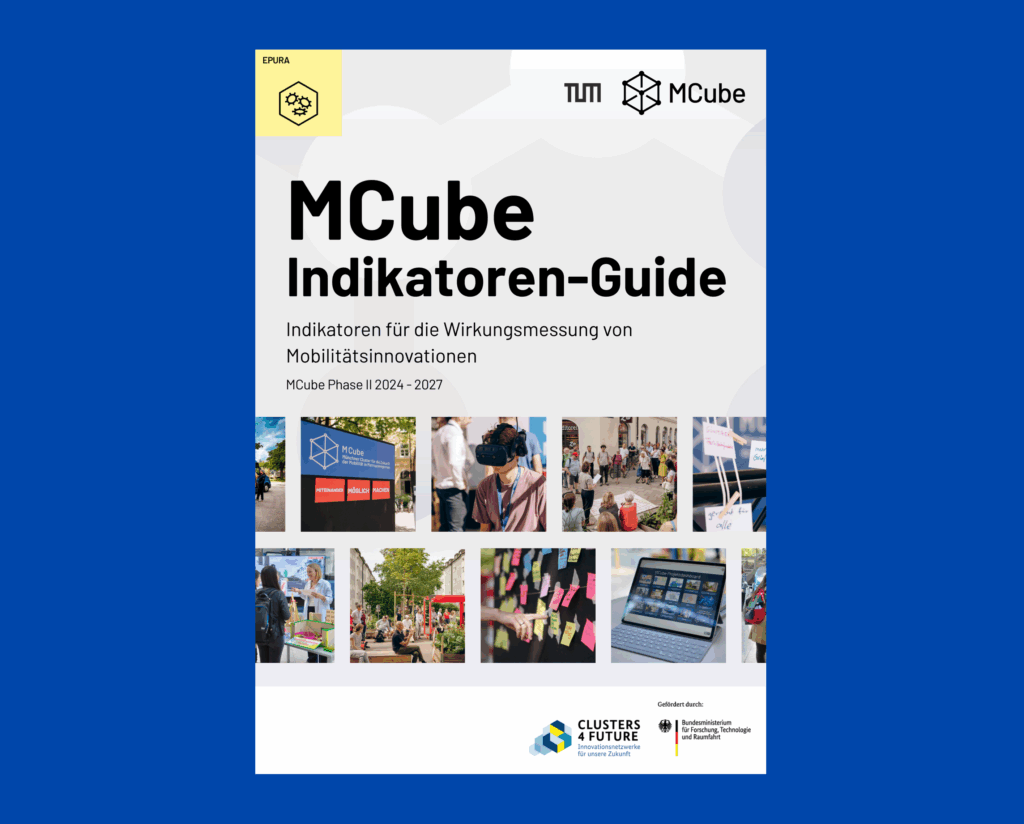
🔗Click here to download: Lessons Learnd