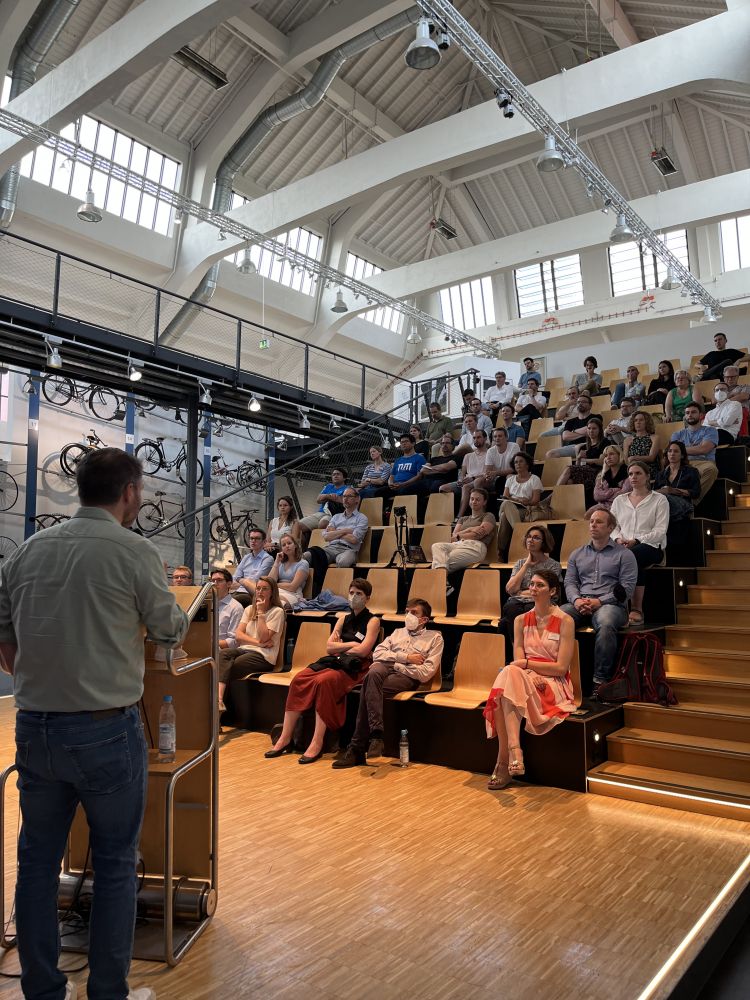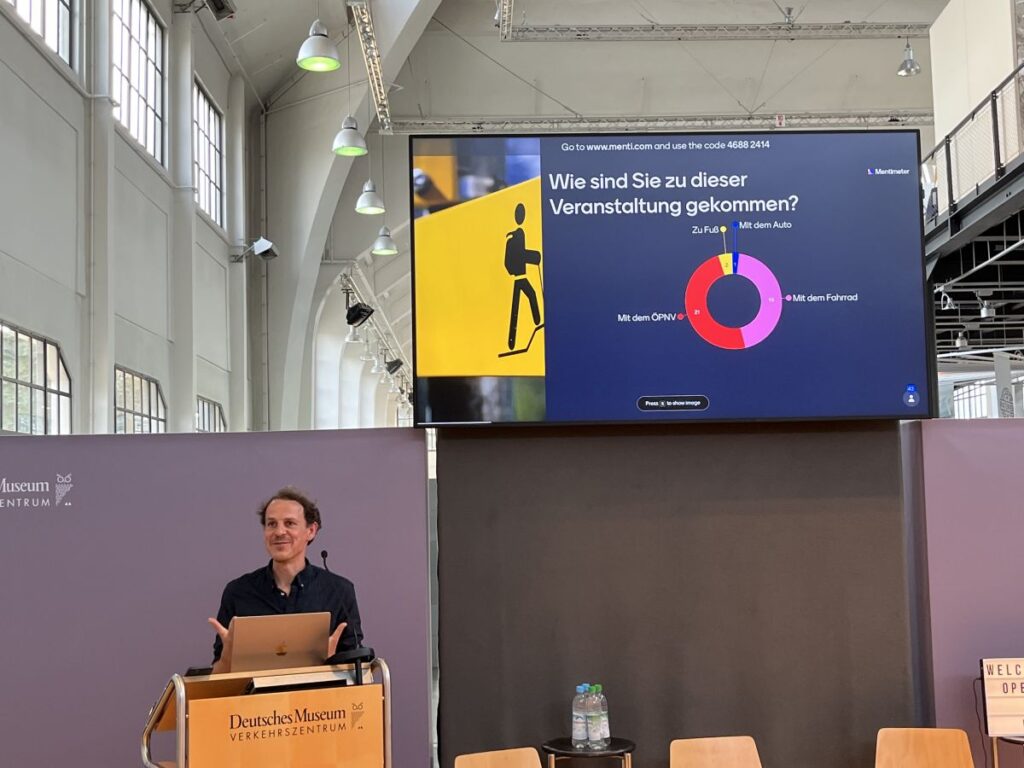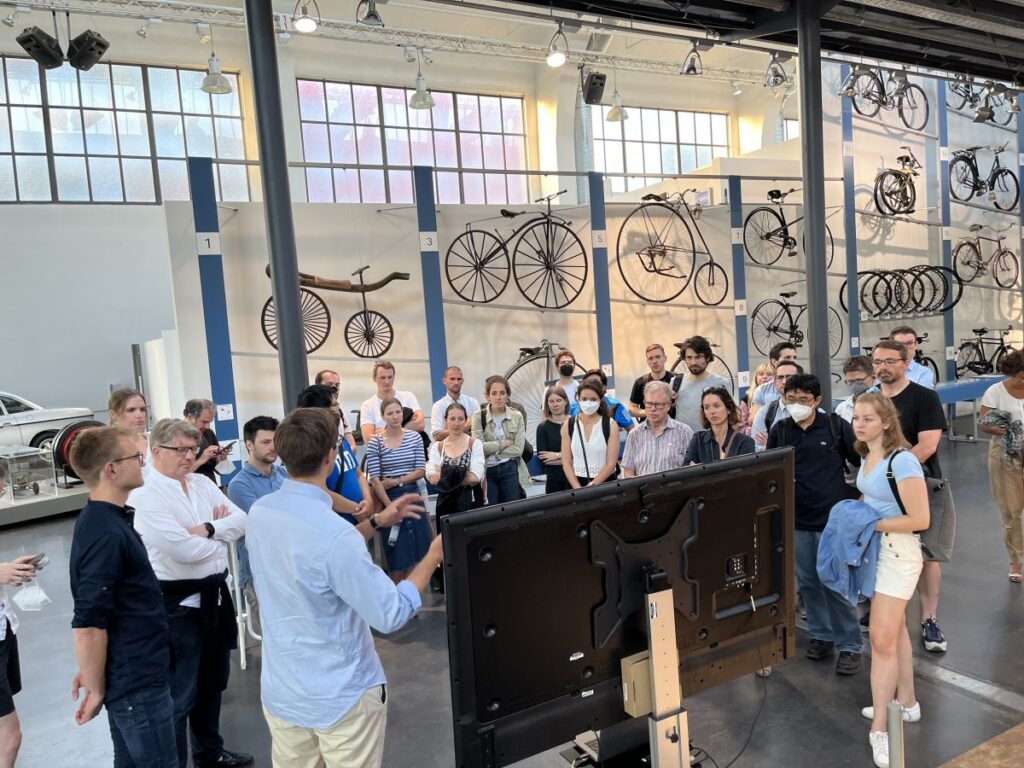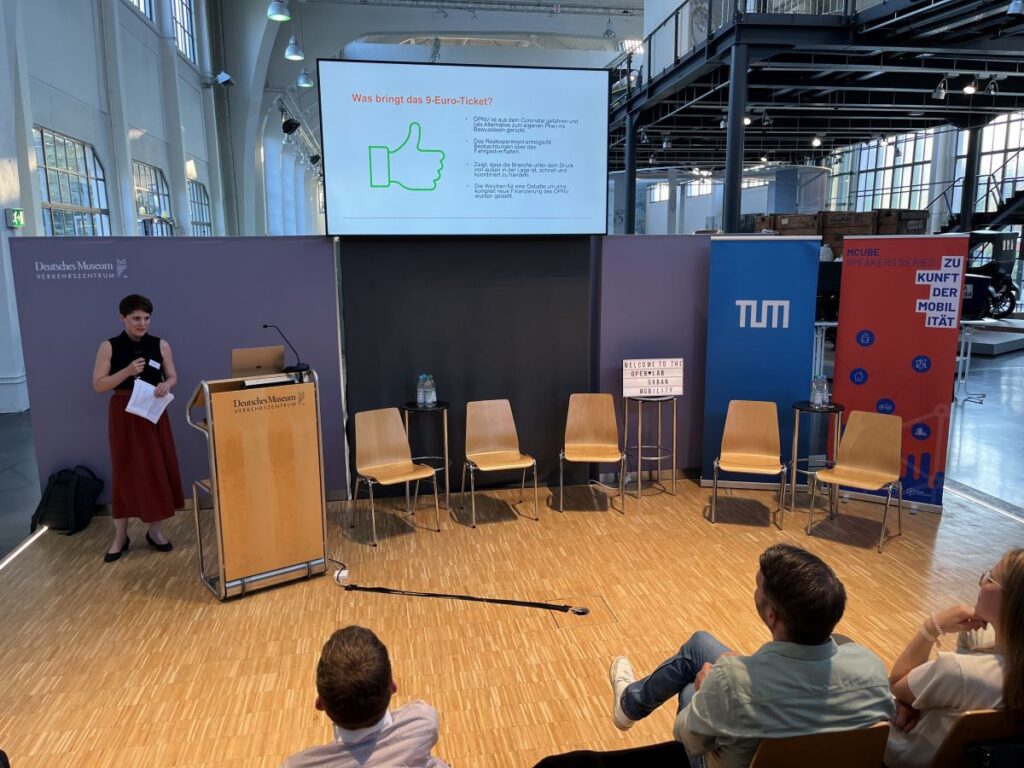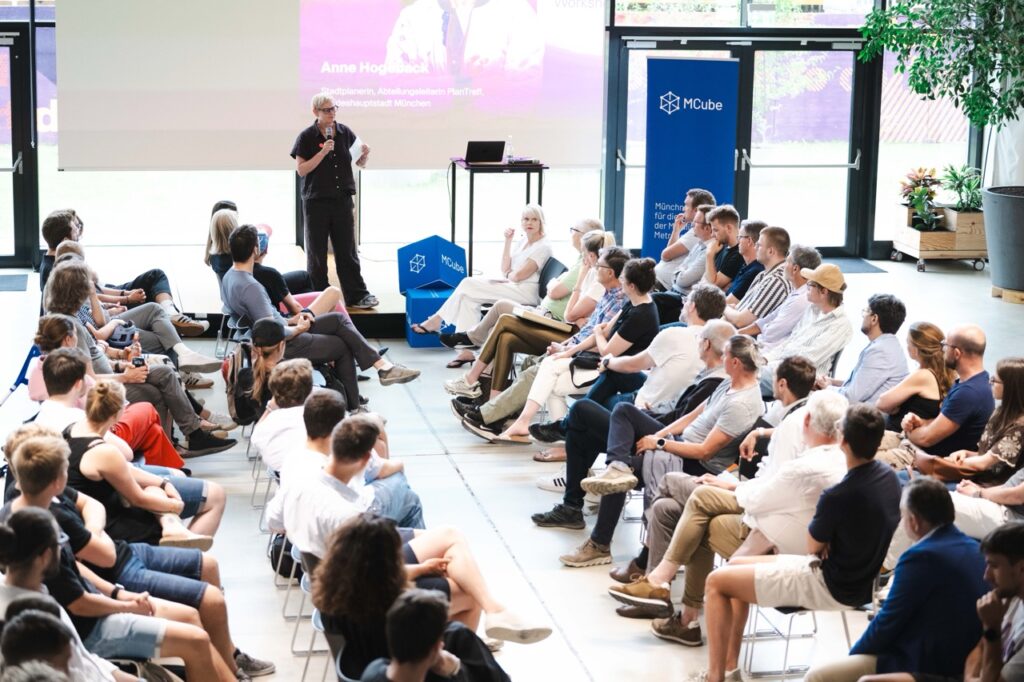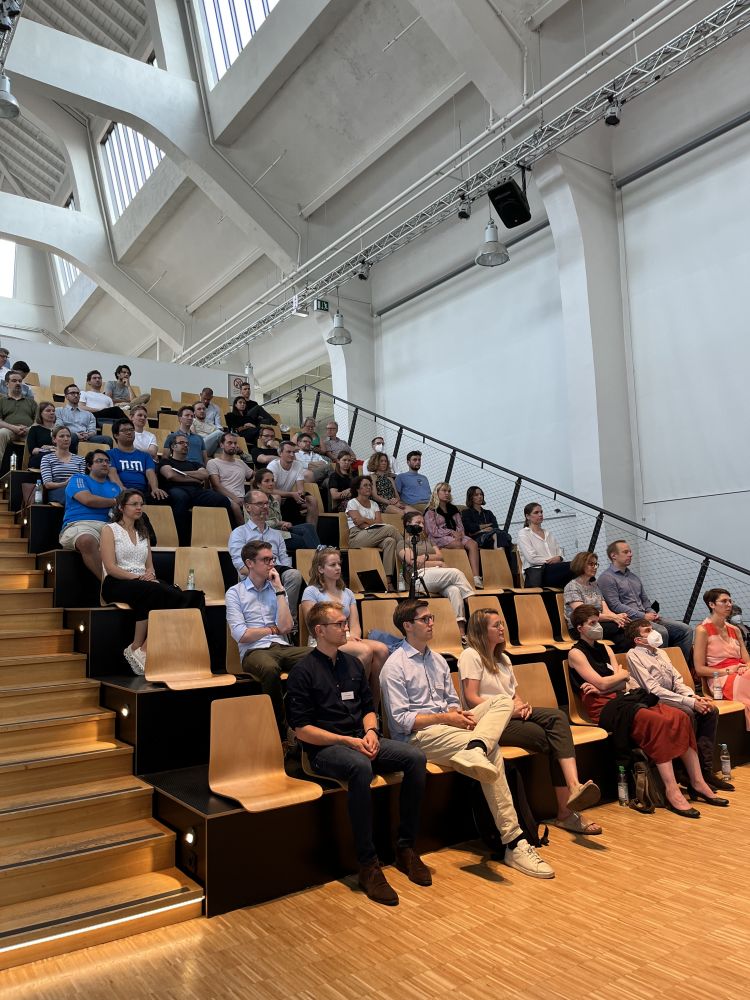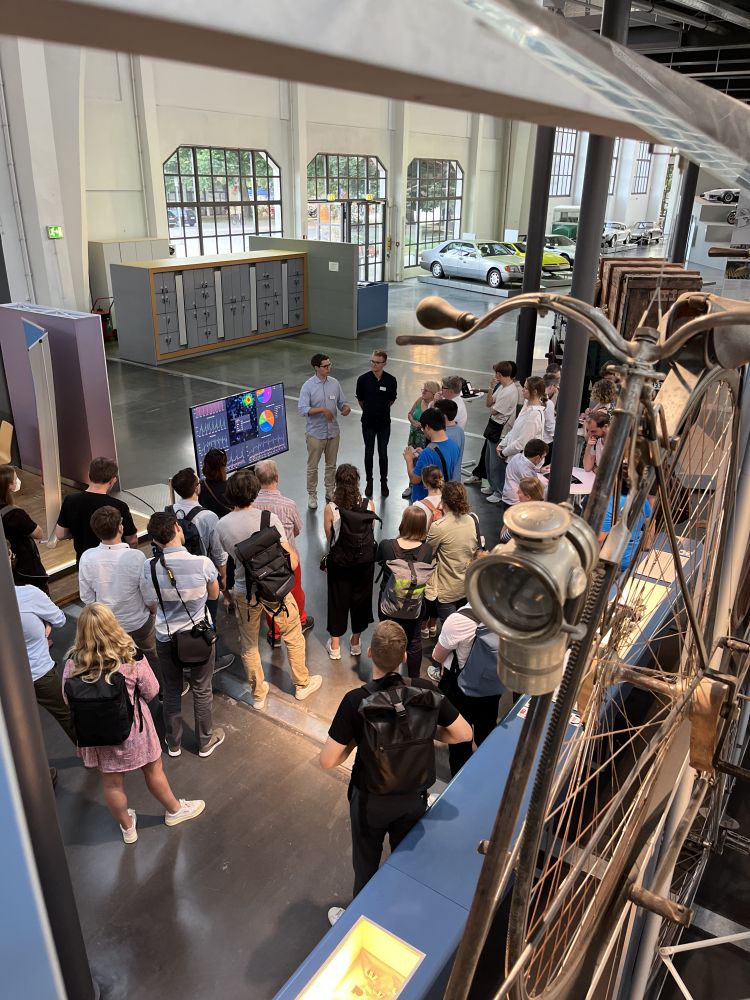
The fourth and last speaker series "Future of Mobility", on July 21, 2022, in the summer semester 2022 before the summer break was also a complete success. This time, our guests gave the audience exciting impulses on the currently much-discussed topic of "9EUR ticket | Mid-term review: New impetus for the mobility turnaround - what has changed and what's next?" given.
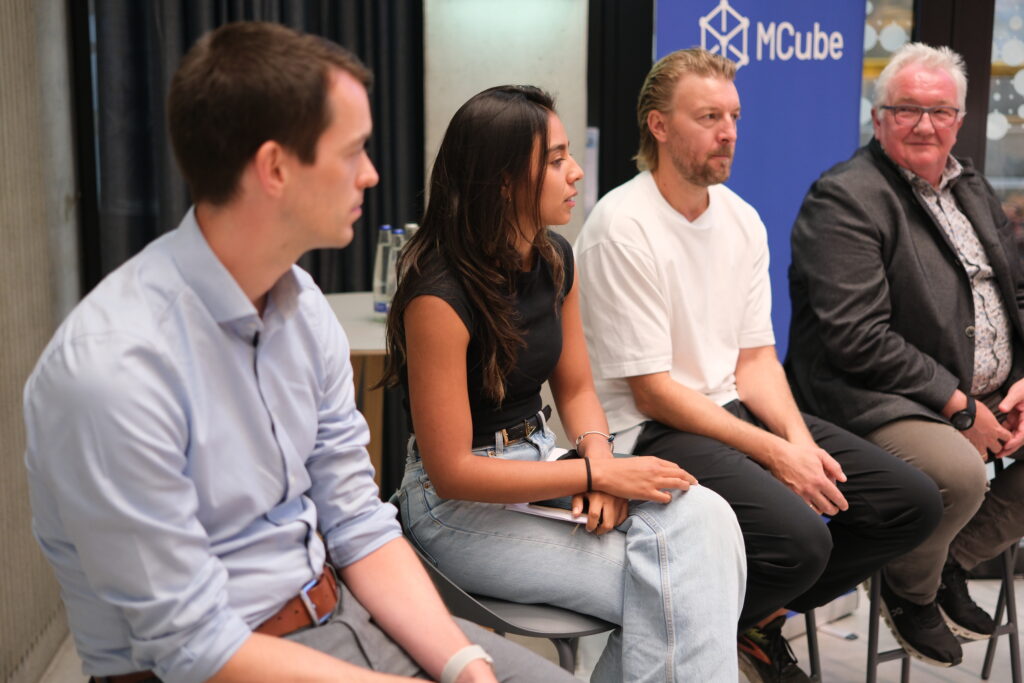
Our first speaker Dr. Markus Siewert (Head of TUM Think Tank) gave us a brief insight into his daily work and how the TUM Think Tank researches current political issues. He emphasized that for the scientists it is a unique and huge opportunity to research a real-life experiment like the 9EUR-ticket.
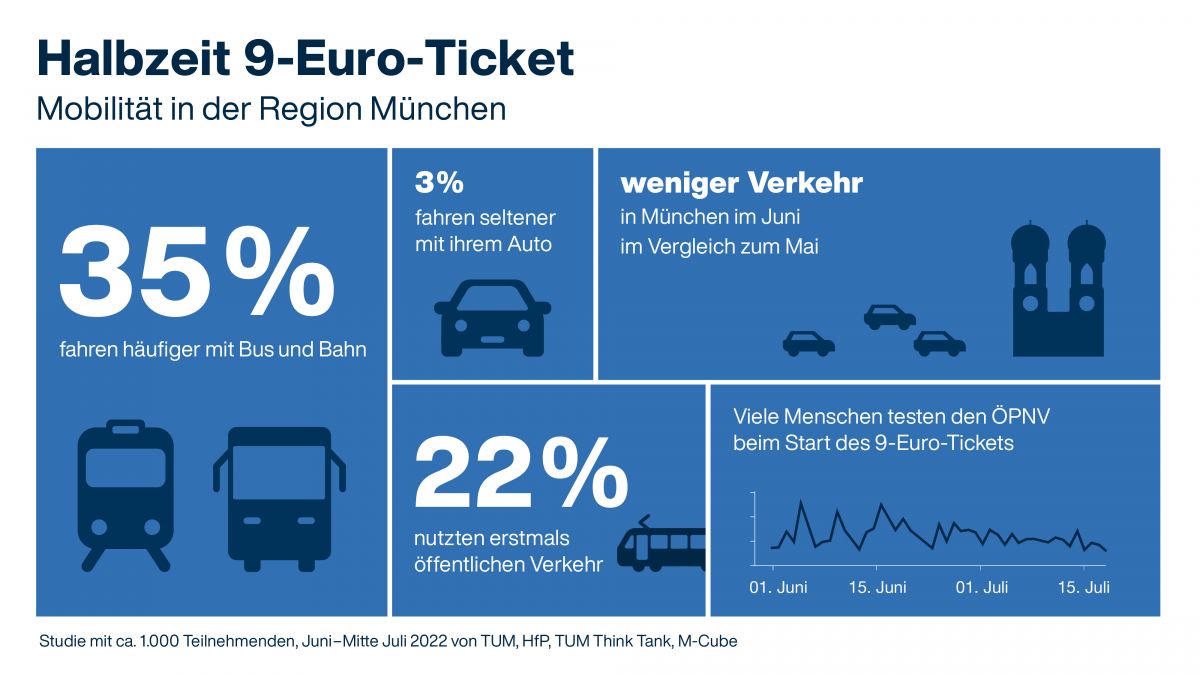
Before Fabienne Cantner and Allister Loder (scientist at TUM) presented the interim results of the study, they explained that a combination of a tracking app (only for the Munich metropolitan region) and three Germany-wide surveys was chosen for the survey of study participants. This was the only way to obtain relevant and meaningful data from the study.
The support of the study participants for the EUR 9 ticket is very high. However, this shows that car owners and people in rural areas are less willing to buy the EUR 9 ticket. It is surprising, however, that there are no income effects on the willingness to buy the ticket.
The final impulse came from Jana Kugoth (Editorial Director Tagesspiegel), who gave an insight into the topic by listing the mixed voices from different sectors on the 9EUR ticket. Because there were not only supporters of the 9EUR ticket. Jana Kugoth pointed out that the EUR 9 ticket as a real-life experiment provides good insights into the mobility behavior of the population and that the sectors must now continue to act following pressure from outside. The introduction of the EUR 9 ticket has sparked a debate on the restructuring of public transport and now offers potential for future discussion on a topic that has been neglected by politicians for years.
Finally, Nico Nachtigall and Lennart Adenaw (scientists at TUM) showed the audience the data from the study visualized on a dashboard and thus explained all the results once again.
In summary, it can be said that the study on the EUR 9 ticket has already provided exciting data halfway through the test period, but it is utopian to expect a change in the population's behavior within six weeks.
We are very much looking forward to the final results of the study and whether they will influence the debate about a potential successor ticket.
Further information on the study can be found on the Website of the School of Politics to find.
We would like to thank the organizers and those responsible at the Deutsches Museum as well as our speakers.