Newsletter from November 2023
COLTOC
Improving the accuracy of modeling, tracking and monitoring human mobility patterns within cities is an essential and challenging aspect, especially in the era of emerging transportation services.
In the COLTOC project, we focus on improving the prediction of human mobility through the strategic use of novel sensor technologies and route-based traffic control algorithms. Through a comprehensive approach, we utilize crowd sensing methods and Wi-Fi probe request frames to collect valuable data for estimating the number of people in an area and understanding their dynamics. This dataset can play a fundamental role in improving mobility services, optimizing transportation networks, and advancing urban planning in general.
The design of the sensor technology was tested and validated in the prototype phase. The sensors are housed in protective boxes for outdoor protection. The plan is to install around 20 of these sensors at predefined locations in Kirchheim to enable remote data collection.
The test phase of the COLTOC project is currently underway in the city of Kirchheim. Positive results will open up broader application opportunities for companies in the transportation and mobility sector, including companies in the greater Munich area, municipalities and the metropolitan region. They can use the project results to develop commercial products and services related to traffic control algorithms, sensor technologies and integrated mobility solutions.
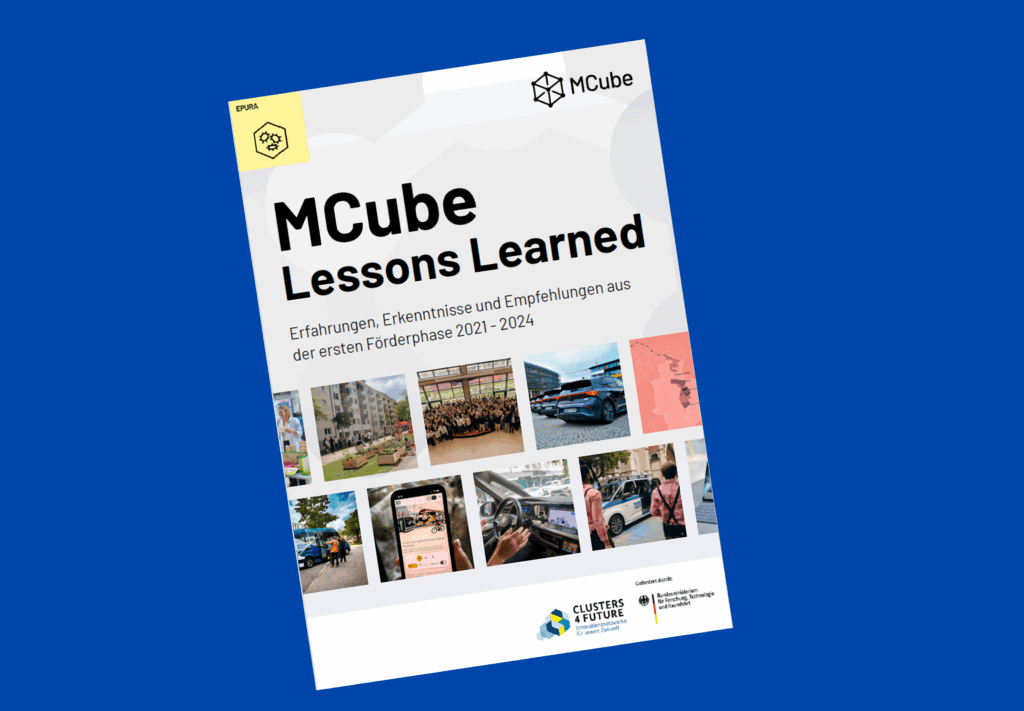
The lessons learned from the first MCube funding phase show which factors really drive projects forward - and where typical barriers arise.
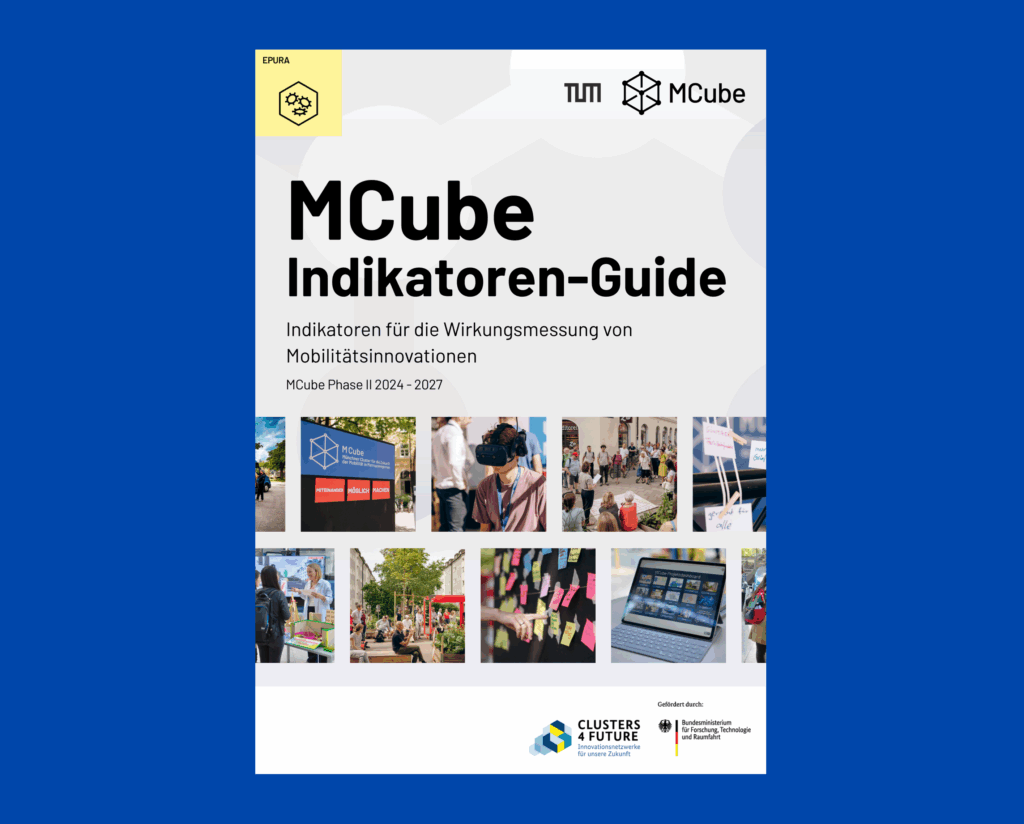
Creating transparency, proving impact, sharpening strategies - the new indicator guide supports precisely this.
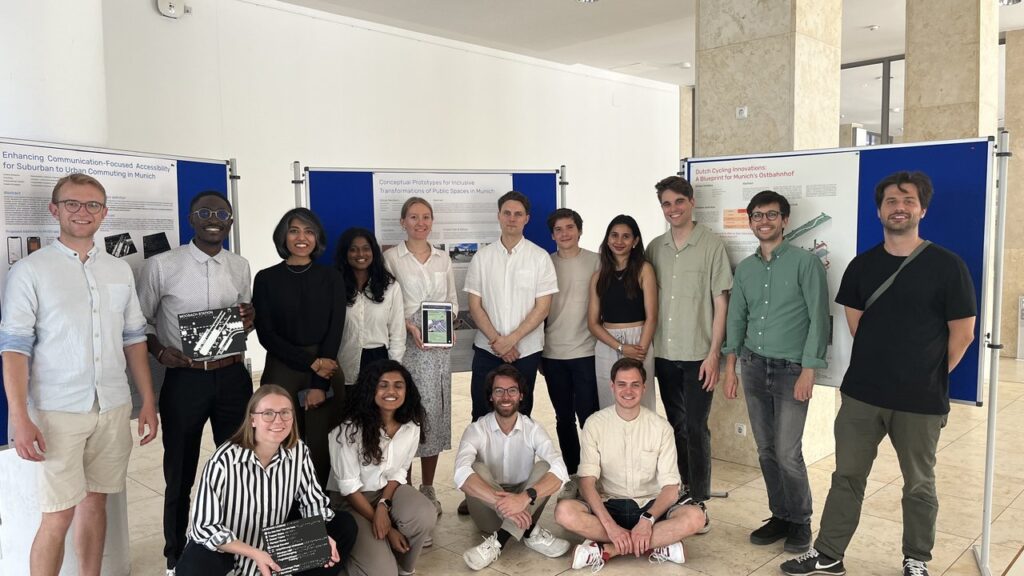
For the first time in this format, students made their way to three European cities. They went to Stockholm, Tallinn/Helsinki and Barcelona.
This time, mobility in the cities of Ljubljana, Genoa and Utrecht was examined.
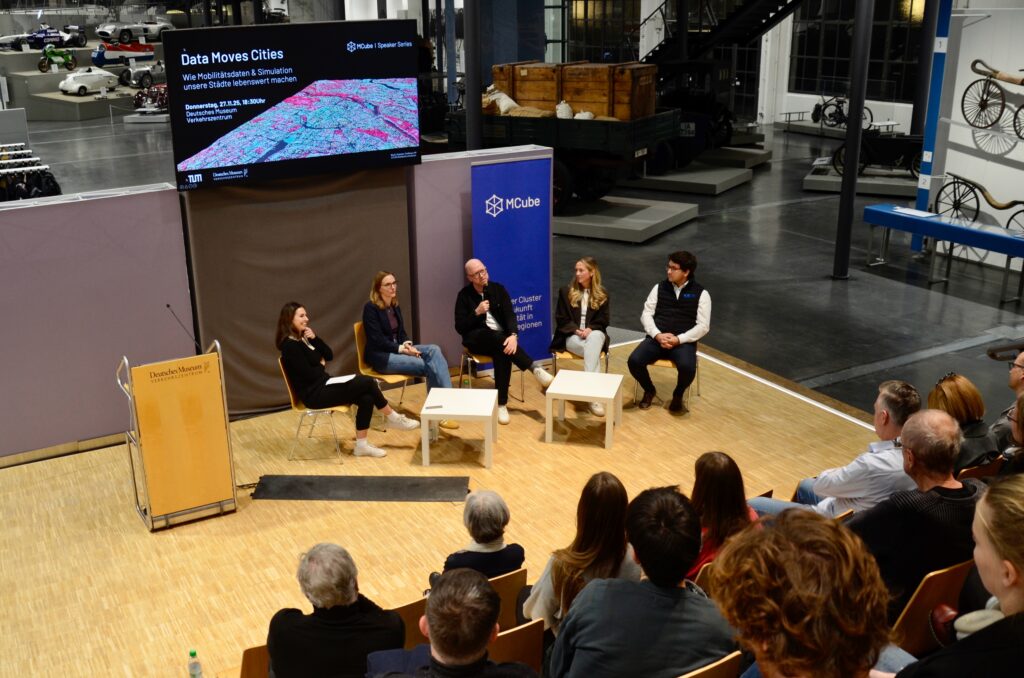
How can mobility data and simulations make cities more liveable - and change visible and tangible?
What do Brussels, Lisbon, Milan and Paris have in common?
Where to put cars, bicycles and e-scooters - and how do we organize parking space fairly, efficiently and sustainably?
The Mobi-Score - The hidden costs of mobility at a glance
Resilient change towards sustainable mobility - lessons for a transformative urban mobility policy
Experimenting for the mobility transition - impetus for municipalities to dealing with real-world laboratories
No results available
What is MOSAIQ?
Imagine something: There is more space for people. The streets have more trees and plants. Everyone can get around better. That's how your Schwabing-West district could be in the future. How would you like your district to be? We want to talk to you about it!
The project is called MOSAIQ. MOSAIQ is a research∙project. MOSAIQ means: Mobility and urban climate in the future city∙part. The Technical University of Munich is leading the project.
What is MOSAIQ about?
MOSAIQ wants to make the streets in the city∙part more beautiful. People should feel comfortable there. There should be more space. For meetings and plants, for example. You can help decide what is tried out in the Stadt∙teil. The ideas come from you. Some ideas will be tried out on the streets for a certain period of time.
The aim of MOSAIQ is to make urban districts good places to live.
At the same time, the climate in the city should improve. And people should be able to move around the city easily.
What is happening in the district?